eschew
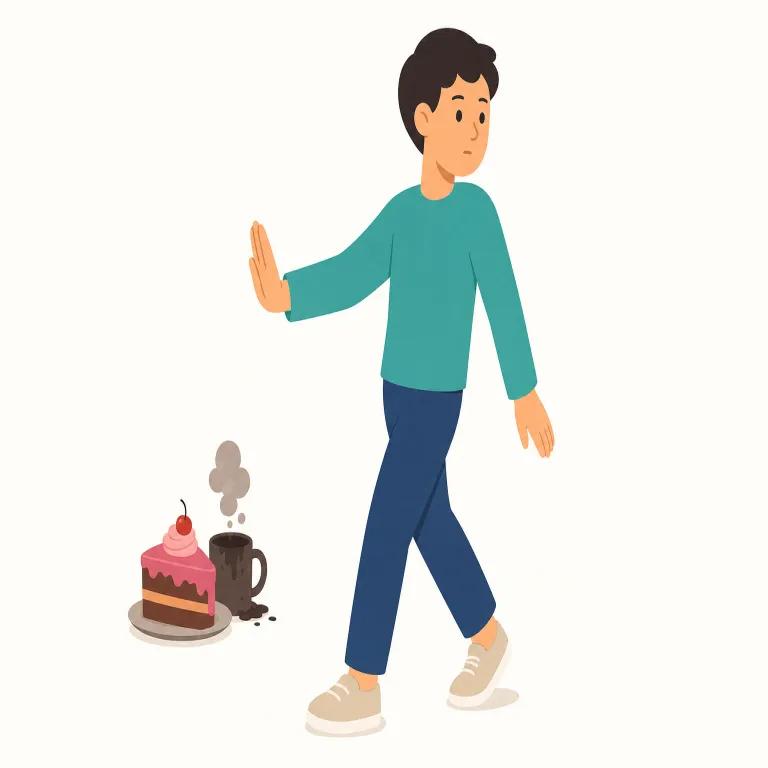
eschew は英検1級レベルの英単語で、「避ける」という意味があります。発音記号は /ɛsˈtʃuː/ です。
避ける
解説 Definition
何かを意図的に避けることを意味します。個人の原則、健康、またはスタイル上の理由など、様々な理由で習慣的に何かを敬遠する際に使われます。
To eschew means to deliberately avoid or stay away from something. It is often used in formal writing when talking about choices, habits, or methods that someone rejects. The word suggests a conscious and sometimes principled decision.
覚え方のコツ Memory Tip
avoid よりやや硬く、『嫌だから避ける』というより『方針として採らない・意識して遠ざける』感覚で覚える。ニュースや評論では eschew violence, eschew processed sugar, eschew tradition のように、暴力・食品・慣習などを自分の信条や健康上の理由で避ける形が多い。shun が露骨に退ける感じ、refrain from が行為を控える感じなのに対し、eschew は“それを選択肢から外す”語。つづりは chew に目が行きやすいが、食べる語ではなく『採用しない』側だとセットで残す。
Think of `eschew` as a formal word for choosing not to use or accept something. It is often used with lifestyle or policy choices, like `eschew violence` or `eschew sugar`. That makes it easier to remember than treating it as just another word for `avoid`.
例文
We should eschew violence and seek peaceful solutions.
暴力を避けて、平和的な解決策を求めるべきだ。
The author eschews complicated language in her writing.
その著者は、文章では難しい言葉遣いを避けている。
Health experts recommend eschewing sugary drinks.
健康の専門家は、砂糖入り飲料を避けるよう勧めている。
eschew の類義語・関連語
eschew の語源・成り立ち Etymology
eschewは古フランス語eschiver「避ける」からで、さらにゲルマン系の「おじけづいて身をかわす」感覚にさかのぼります。分解できる接辞は薄いですが、shyやesquiveと同根で、「怖いので距離を取る」から今の「避ける」です。
Eschew came into English from Old French eschiver, meaning "to avoid." It is thought to go back to a Germanic root connected with shrinking back or keeping away, and it is related to words like shy. So the word moved from the idea of pulling back in fear or caution to the broader sense of deliberately avoiding something. Related words include shy and the French esquive.
同じレベルの語彙をもっと
英検1級の一覧へ →外部辞書で調べる
この英単語をクイズで覚えよう