〜に少し足りない、〜の直前で
adjective 形容詞数量や距離などが基準にわずかに届かないことを表し、shy of の形で使われます。just shy of 100 dollars のように、目標値や境界のすぐ手前であることを示す用法です。
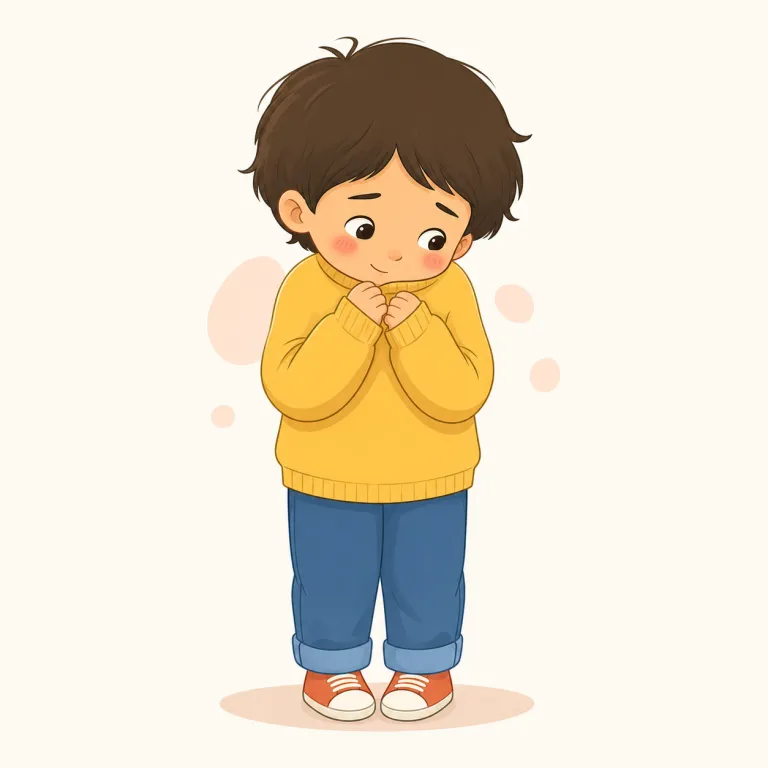
人前で緊張しやすく、自分から積極的に話したり行動したりするのが苦手な様子を表す形容詞。恥ずかしさや遠慮から控えめに見える人についてよく使い、初対面の場面や注目を浴びる状況でその性質が表れやすい。
If someone is shy, they feel nervous or uncomfortable in social situations, especially with new people. A shy person may speak less or avoid attention. The word describes personality, but it can also describe a temporary feeling.
shy は「人前で前に出ない感じ」で覚えると定着しやすい語。反対は outgoing や confident。quiet は単に口数が少ないだけでも使えるが、shy には「恥ずかしさ・緊張で引いてしまう」気持ちが入る。a shy child, be shy around strangers が典型で、初対面や注目される場面と結びつけると覚えやすい。a shy smile なら「遠慮がちな笑み」。さらに shy away from で「尻込みする」と広がるので、核は一貫して“前に出ず引く”イメージ。
Think of shy as pulling back instead of stepping forward. It is stronger than quiet, because shy includes nervousness or embarrassment around people. Phrases like a shy child, shy smile, or shy around strangers help fix that image.
She is shy in class.
彼女は授業中は内気です。
My brother is shy at school.
私の弟は学校では内気です。
The shy boy cannot speak in class.
その内気な男の子は授業中に話せません。
文脈によって、次の意味でも使われます。
数量や距離などが基準にわずかに届かないことを表し、shy of の形で使われます。just shy of 100 dollars のように、目標値や境界のすぐ手前であることを示す用法です。
shy は古英語 sceoh「おびえやすい・用心深い」に由来するゲルマン系の語です。人や物事から身を引く感覚が「内気な」になり、さらに shy of では「そこまで届かず不足して」の意味にも広がりました。関連語は shyness、eschew。
Shy comes from Old English sceoh, a Germanic word meaning "timid," "easily frightened," or "cautious." The central idea is drawing back from people or situations, which led naturally to the modern sense "reserved" or "bashful." In phrases like shy of, the sense extended further to mean "falling short of" or "not quite reaching."
この英単語をクイズで覚えよう