ネズミっぽい
解説 Definition
ネズミのような。灰色で地味な外観、または控えめで目立たない様子。
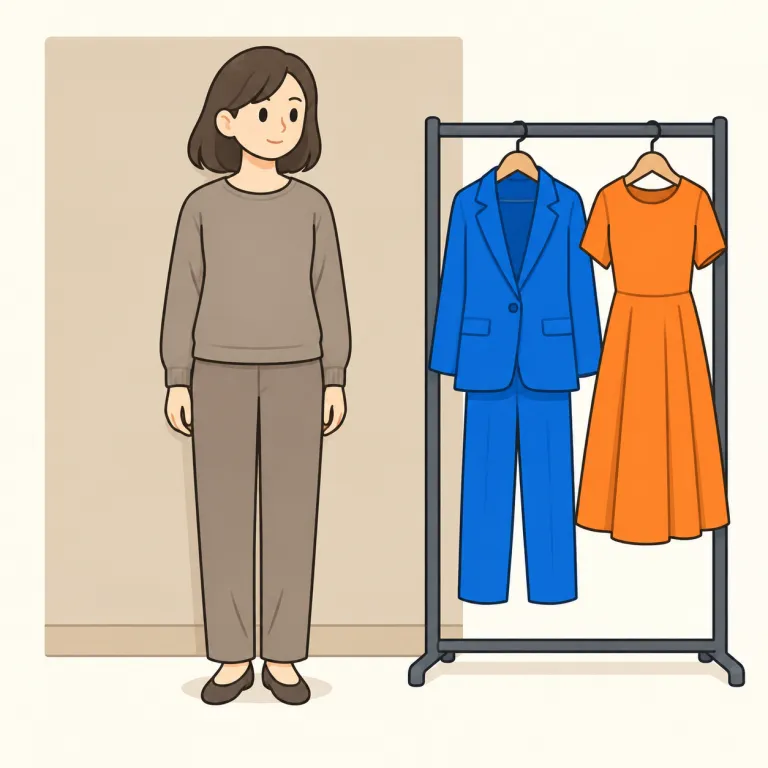
Mousey describes someone or something that seems quiet, shy, plain, or not very noticeable. It is also often used for a dull brown or gray-brown hair color. When used about a person, it can suggest a lack of confidence or strong presence.
覚え方のコツ Memory Tip
mouse + -y(〜っぽい)でまず形をつかむと覚えやすい語です。意味は「ネズミそのもの」ではなく、small, quiet, shy, gray など、ネズミから連想しやすい特徴が一つにまとまった形容詞。a mousey girl なら「おどおどして目立たない女の子」、mousey brown hair なら「くすんだ地味な茶色の髪」。派手で人目を引く flashy の反対側に置くと定着しやすいです。mousy という綴りもよく見ます。
This word comes from `mouse`, so think of quiet, small, gray, and easy to miss. `Mousey` is often used for hair, clothes, or colors that look dull and do not stand out. Remember common phrases like `mousey brown hair` or `a mousey outfit`.
例文
She wore a mousey brown outfit that blended into the background.
彼女は背景に溶け込むような、くすんだ茶色の服を着ていた。
His mousey appearance made him easy to overlook in crowds.
彼は地味で目立たない外見のため、人混みの中では見過ごされやすかった。
The interior's mousey color scheme created a dull, uninteresting space.
室内のくすんだ配色が、地味で面白みに欠ける空間を作り出していた。
mousey の類義語・関連語
mousey の語源・成り立ち Etymology
mouse は古英語 mus にさかのぼる古いゲルマン語系の語で、-y は「〜っぽい」を表す接尾辞です。だから mousey は直訳すると「ネズミのような」で、小さく地味な色やおどおどした印象に結びつきます。mousetrap, mousehole も同根です。
This word is formed from mouse and the suffix -y, meaning "like" or "having the quality of." Mouse comes from Old English mus and is part of a very old Germanic word family. The sense developed from being literally mouse-like to suggesting something small, quiet, or dull in appearance.
同じレベルの語彙をもっと
外部辞書で調べる
この英単語をクイズで覚えよう