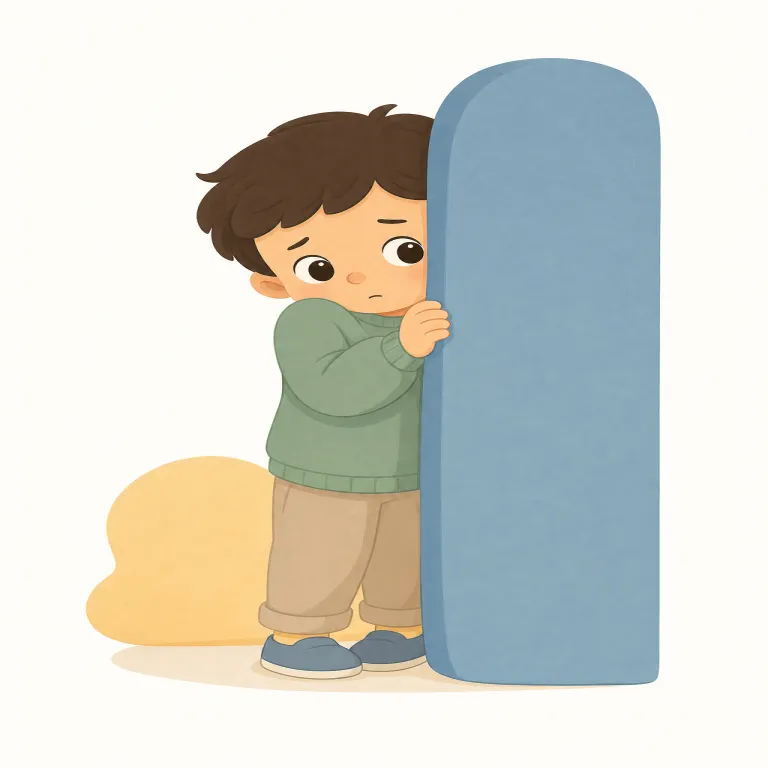
timid
timid は英検1級レベルの英単語で、「臆病な」という意味があります。発音記号は /ˈtɪmɪd/ です。
臆病な
解説 Definition
恐れやすく、自信がなく、すぐに不安になる性質のこと。新しい状況や他人の前で緊張しやすい傾向を示します。
Timid describes someone who is shy, nervous, or not confident in difficult or unfamiliar situations. A timid person often avoids risk, strong action, or direct confrontation. The word can describe personality or behavior in a particular moment.
覚え方のコツ Memory Tip
intimidate(怖がらせる)を知っていれば、その中の timid は「怖さで一歩引いてしまう核の感覚」と結びつけやすい。shy が「人前で恥ずかしがる」に寄りやすいのに対し、timid は人・場面・決断のどれに対してもおびえて控えめになる語。a timid child, a timid voice, a timid response のように、人にも声や態度にも使える。反対は bold, confident。
If you know `intimidate`, the smaller part `timid` can help you remember the feeling behind the word. A `timid` person pulls back, speaks softly, or avoids bold action. It is broader than `shy`, which is often about social situations. Think of contrasts like `bold` or `confident`.
例文
He was too timid to speak up during the meeting.
彼は会議で意見を述べるには臆病すぎました。
Her timid nature prevented her from pursuing her dreams.
臆病な性格のため、彼女は夢を追い求めることができませんでした。
The timid student gradually gained confidence.
その臆病な学生は徐々に自信を得ました。
timid の類義語・関連語
timid の語源・成り立ち Etymology
timid はラテン語 timidus「おびえた」に由来し、語根 tim- は「恐れる」を表し、-id(-idus) が形容詞を作っています。intimidate や timorous も同じ根を持つので、「恐れが前に出てしまう人」という感覚から「臆病な」へつながると理解しやすい語です。
Timid comes from Latin timidus, meaning "fearful" or "easily frightened." Its root is linked to fear, and the word entered English with the sense of showing fear or lack of confidence. It is related to English words like intimidate and timorous, which keep the same idea of fear.
同じレベルの語彙をもっと
英検1級の一覧へ →外部辞書で調べる
この英単語をクイズで覚えよう
この意味を学べる単語帳
timid の収録語義を確認して、まとめて学べる単語帳を選べます。
-
収録語義:臆病な
作成者:西村/learningBOX/競プロアカ