eternal
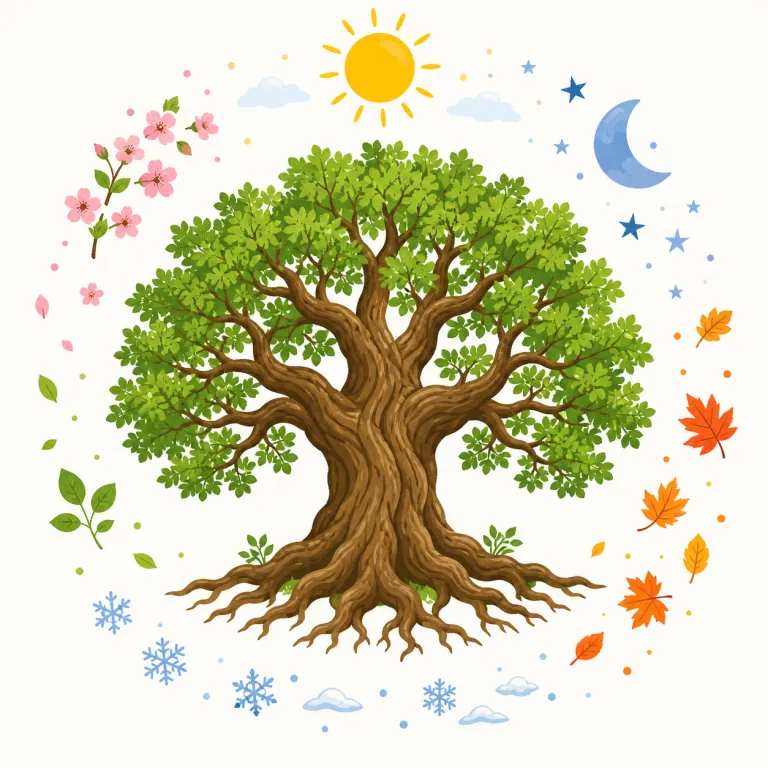
eternal は英検2級レベルの英単語で、「永遠の」という意味があります。発音記号は /ɪˈtɚnəl/ です。
永遠の
解説 Definition
永遠に続く、終わりがない、または非常に長く続く性質。時間を超えて存在するさま。
Eternal means lasting forever or having no end. It is often used in religion, philosophy, and literary writing, but it can also describe something that seems to continue for a very long time. In everyday use, it is sometimes used for strong emphasis rather than a literal meaning.
覚え方のコツ Memory Tip
eternal は eternity(永遠)とセットで覚えると強い。語尾 -al は「〜に関する性質」を作る形で、eternity が名詞、eternal が形容詞。日常的な forever より硬く、宗教・文学・誓いの表現で出やすい。eternal love, eternal life, eternal truth のように「時間を超えて不変」の響きがある。lasting や long-lasting が「長持ちする」なら、eternal は「終わり自体が見えない」感覚。temporary の反対側に置くと整理しやすい。
Learn it with `eternity`: the noun and adjective stay closely connected. `Eternal` sounds more serious and literary than `forever`, so it often appears in phrases like `eternal love` or `eternal life`. You can remember it clearly by placing it opposite `temporary`.
例文
Their love was eternal.
彼らの愛は永遠でした。
The eternal flame burns at the monument.
記念碑では永遠の炎が燃えています。
We dream of eternal peace.
私たちは永遠の平和を夢見ています。
えいたんごクイズでの正答率
この語をはじめて出題された 31人 のうち 27人 が正解しました(87%)。
えいたんごクイズの回答から集計した独自データです。1人につき最初に出題されたときの1回だけを数えており、復習や2回目以降の回答、「わからない」と時間切れは含みません。 集計時点は 2026年9月19日 です。
eternal の類義語・関連語
eternal の語源・成り立ち Etymology
ラテン語 aeternus(永遠の)に由来し、aevum(時代・寿命)が語根。ae-(長い時)+ -ternus(形容詞語尾)という構成。関連語: eternity(永遠)、medieval(中世の=medium aevum)。「一つの時代を超えて続く」という原義から「終わりのない」という意味に発展した。
Eternal comes from Latin aeternus, meaning "lasting for all time." It is linked to aevum, a Latin word for "age," "lifetime," or "long span of time." The meaning grew from lasting through an age to lasting without end. Related English words include eternity and medieval, which contains the same aevum root.
同じレベルの語彙をもっと
英検2級の一覧へ →外部辞書で調べる
この英単語をクイズで覚えよう