意味一覧 (2件)
宴会、ごちそう
解説 Definition
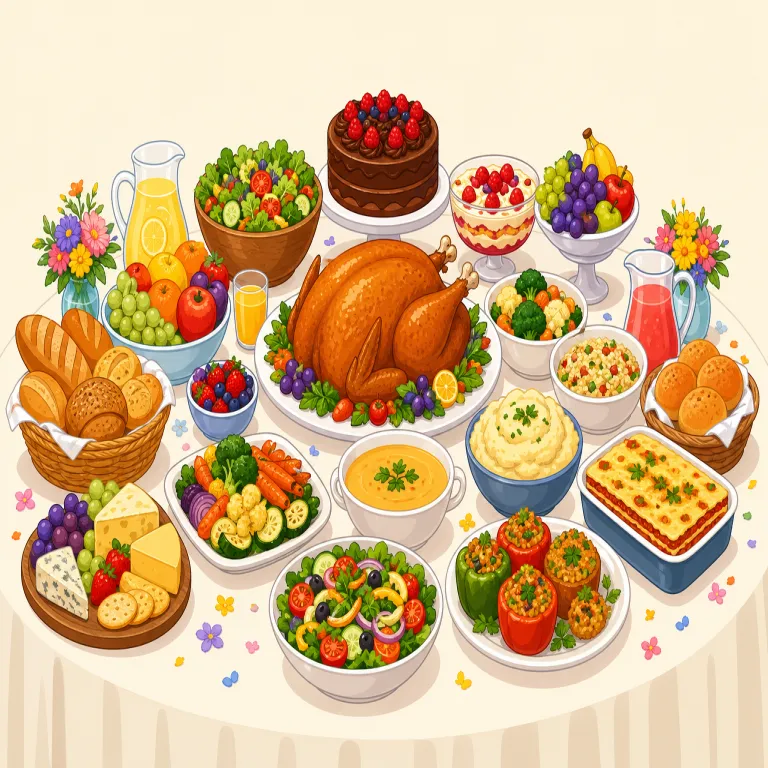
feast が名詞のときは、特別な機会に人が集まって楽しむ盛大な食事や宴会を指します。祝祭日や結婚式、宗教行事など、ふだんより豪華でにぎやかな食事の場を表すときによく使われます。
This noun means a large, special meal enjoyed by a group of people. It is usually connected with a celebration, wedding, religious event, or other important occasion.
覚え方のコツ Memory Tip
feast は festival / festive と同じ「祝い」の空気を持つ語として覚えると残りやすいです。eat よりずっと特別で、ただ食べるのでなく、ごちそうを囲んでたっぷり楽しむ感じ。feast on turkey, feast on seafood のように feast on ... が頻出。devour が「むさぼり食う」なら、feast は「豪華な料理を満足するまで味わう」。普段の軽い食事には使いにくく、祝日・宴・ごちそうの場面と結びつけると定着します。
Connect it with festival and festive and imagine people celebrating around a table full of special food. Unlike an ordinary meal, it suggests plenty of food and a joyful or important occasion.
例文
The wedding feast lasted until midnight.
結婚式の宴会は真夜中まで続いた。
They prepared a feast for the visiting guests.
彼らは来客のためにごちそうを用意した。
The harvest feast is an important tradition in the village.
収穫祭の宴はその村の大切な伝統だ。
たらふく食べる、豪華な食事をする
(意味 2)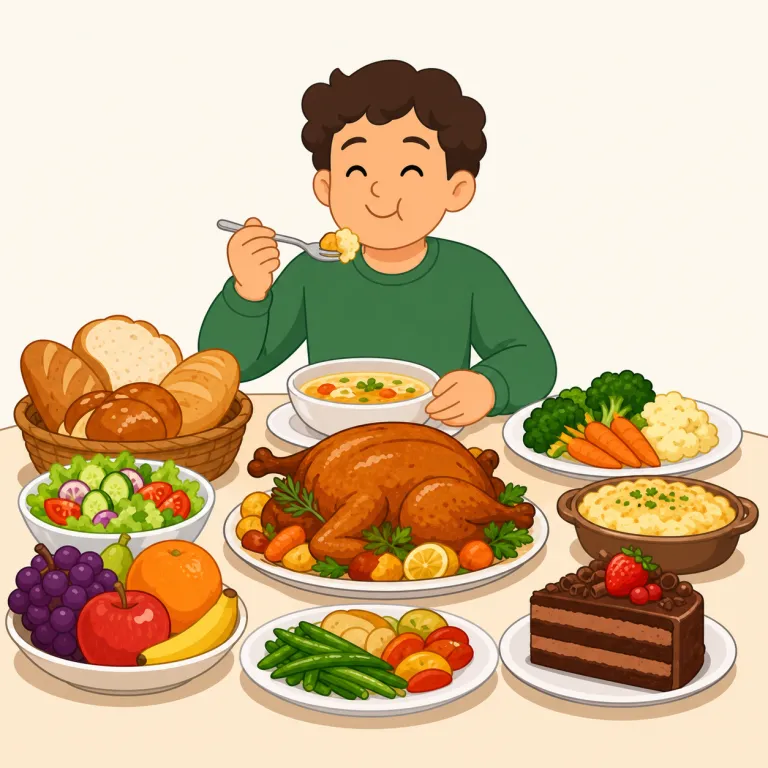
解説 Definition
feast は、祝いや特別な機会などに豊かな食べ物を楽しみながらたくさん食べることを表す動詞。単に食べるよりも、豪華さや満足感、にぎやかな雰囲気を伴うことが多く、feast on ... で「…をたらふく食べる」という意味になる。
To feast means to eat a large amount of food, often with enjoyment and often at a special meal. It can describe eating at celebrations, holidays, or formal gatherings. The word suggests abundance and pleasure, not just ordinary eating.
例文
They feasted on turkey and vegetables at Thanksgiving.
彼らは感謝祭で七面鳥や野菜をたらふく食べた。
The king and his guests feasted for hours.
王と客人たちは何時間も豪華な食事を楽しんだ。
We feasted on fresh seafood at the beach restaurant.
私たちは海辺のレストランで新鮮な魚介をたらふく食べた。
feast の類義語・関連語
feast の語源・成り立ち Etymology
feast は古フランス語 feste を経てラテン語 festa「祝祭」にさかのぼります。festival や festive と同根で、もとは『祭りの日を祝う』ことだったため、そこから食事をふるまって大いに楽しむ『ごちそうする』の意味が自然に生まれました。
Feast came through Old French feste from Latin festa, meaning “festival” or “celebration.” Its connection with festive occasions led to its sense of a large celebratory meal.
同じレベルの語彙をもっと
外部辞書で調べる
この英単語をクイズで覚えよう