不正を働く人、詐欺師
noun 名詞主に英国のくだけた用法で、帳簿や申告をごまかすなどして不正に利益を得る人を指します。tax fiddlerのように不正の対象を前に置くことがあり、単なる嘘つきより金銭上の不正という含みが強い語です。
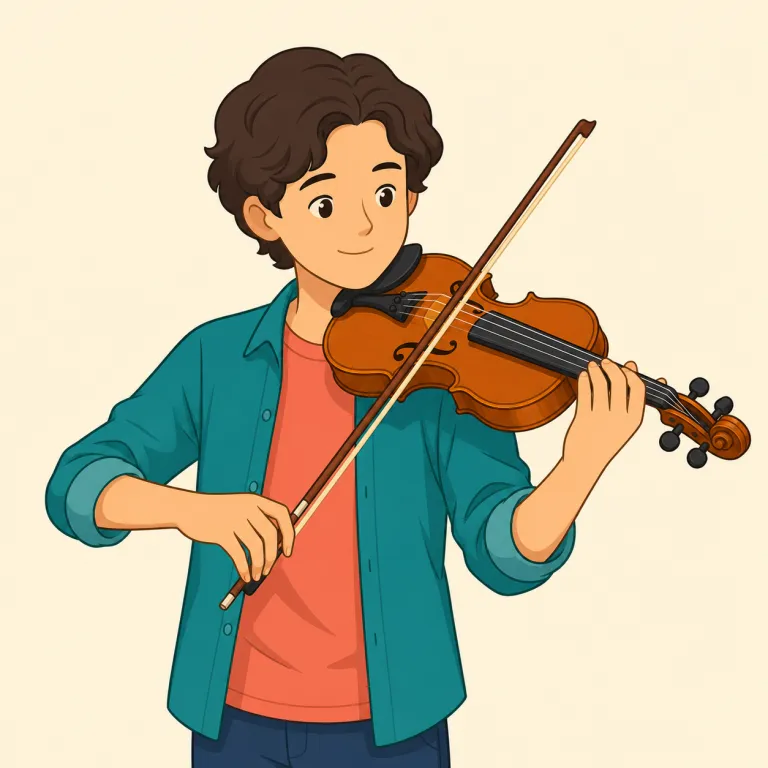
バイオリンを演奏する人を指します。特にケルトやアメリカ南部などの民俗音楽や伝統的な舞踊で活躍することが多く、軽快なリズムで聞き手を引き込む役割を担います。形式ばったクラシックの演奏会よりも、野外や小規模な集まりで即興を交えながら演奏する姿が思い浮かぶことが多いでしょう。
A fiddler is a person who plays the fiddle, which is the same instrument as a violin. The word is especially common for players of folk, country, or traditional music.
-er は「〜する人」なので、まず fiddler = fiddle を弾く人、と形で押さえる。記憶の核は violinist との違いで、violinist がクラシック寄りの中立・正式な呼び方なら、fiddler は folk, dance, traditional music の場で、軽快に人を乗せる弾き手という響きが強い。楽器が別物というより、同じ系統でも「演奏スタイルや場面」が違うと考えると残りやすい。play the fiddle, fiddle music, a village fiddler をまとめて覚えると定着しやすい。
The ending `-er` means a person, so a `fiddler` is someone who plays the `fiddle`. The useful memory hook is the contrast with `violinist`: `violinist` sounds formal, but `fiddler` suggests folk, dance, or traditional music. Think of `fiddle music` and `a village fiddler`.
The fiddler played a beautiful solo during the concert.
そのバイオリン弾きはコンサート中に美しいソロを演奏した。
She became a professional fiddler after years of practice.
彼女は何年もの練習後にプロのバイオリン弾きになった。
The street fiddler entertained passersby with traditional melodies.
路上のバイオリン弾きは、伝統的なメロディーで通行人を楽しませた。
文脈によって、次の意味でも使われます。
主に英国のくだけた用法で、帳簿や申告をごまかすなどして不正に利益を得る人を指します。tax fiddlerのように不正の対象を前に置くことがあり、単なる嘘つきより金銭上の不正という含みが強い語です。
「fiddler」は fiddle + -er「〜する人」で、文字どおり「フィドルを弾く人」。fiddle は古英語 fithele にさかのぼるゲルマン系語で、fiddle や fiddling も同根なので、素朴な弦楽器に親しむ人の姿がそのまま語になったとわかる。
"Fiddler" is a simple English formation from "fiddle" and "-er," meaning "a person who plays." "Fiddle" goes back to Old English "fithele" and other Germanic forms. The word has kept its close link with the instrument for a long time. It is related to "fiddle" and "fiddling."
この英単語をクイズで覚えよう