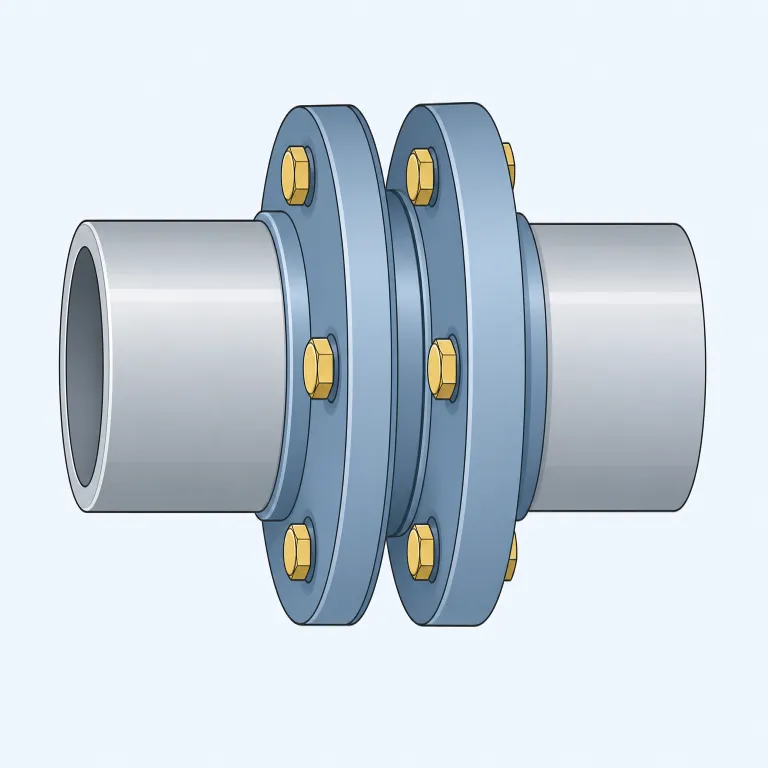
flange
flange はTOEFL 100・IELTS 7.5レベルの英単語で、「フランジ」という意味があります。発音記号は /flændʒ/ です。
フランジ
解説 Definition
フランジとはパイプや軸の接合部周辺に設けられる円環形の突起で、ボルトや溶接などを使って他の部品としっかり連結するための構造です。接合部の強度を高めたり、密閉性を確保したりする役割があり、配管や機械装置でよく使われます。保守作業ではボルトを通して取り外しができるように加工したり、パッキンを挟んで漏れを防いだりすることが一般的です。
A flange is a raised edge or rim on a pipe, wheel, or machine part that helps connect, support, or strengthen it. This is mainly a technical or engineering word used in mechanical and industrial contexts.
覚え方のコツ Memory Tip
flange は「管や軸の先端についた、つなぐための縁・出っ張り」と機能で覚えると残りやすい語です。pipe flange, wheel flange, flange joint の形でよく出るので、bolt holes が並ぶ円形の縁をまず思い浮かべるのがコツ。rim に近いですが、ただの縁ではなく attach, bolt, seal のための“接合用のリム”が核心です。gasket は密閉材、flange はその外側で締結する部分、と分けると混同しにくくなります。
Remember it by function, not by shape: a `flange` is the edge part used to connect, bolt, or seal. It often appears in technical pairs like `pipe flange` or `flange joint`. Think of a round rim with bolt holes, not just any edge.
例文
The flange connects the two pipes together.
フランジは2本のパイプを接続します。
Check if the flange is properly bolted.
フランジが適切にボルト止めされているか確認してください。
The damaged flange between the two pipes needs to be replaced.
2本のパイプをつなぐ破損したフランジは交換する必要があります。
flange の語源・成り立ち Etymology
flange は語源未詳ながら、古フランス語 flanche「わき・側面」と結びつけられ、flank と同根と考えられます。「側へ張り出した部分」という感覚から、管や車輪の縁の出っ張りを flange と呼ぶようになりました。関連語は flank、flanch。
Flange has an uncertain origin, but it is often linked to Old French flanche, meaning "side" or "flank," and may be related to flank. The basic idea is something that sticks out at the side. From that sense, it came to mean the projecting rim or edge on pipes, wheels, and other objects.
同じレベルの語彙をもっと
TOEFL 100の一覧へ →外部辞書で調べる
この英単語をクイズで覚えよう