側面に位置する、両側から挟む
verb 動詞人・建物・木などが、ある物や場所の片側または両側に位置する、あるいはそれを両側から挟むことを表す他動詞です。be flanked by ... の受け身が特に多く、単なる近接より配置上の「脇」を意識させます。
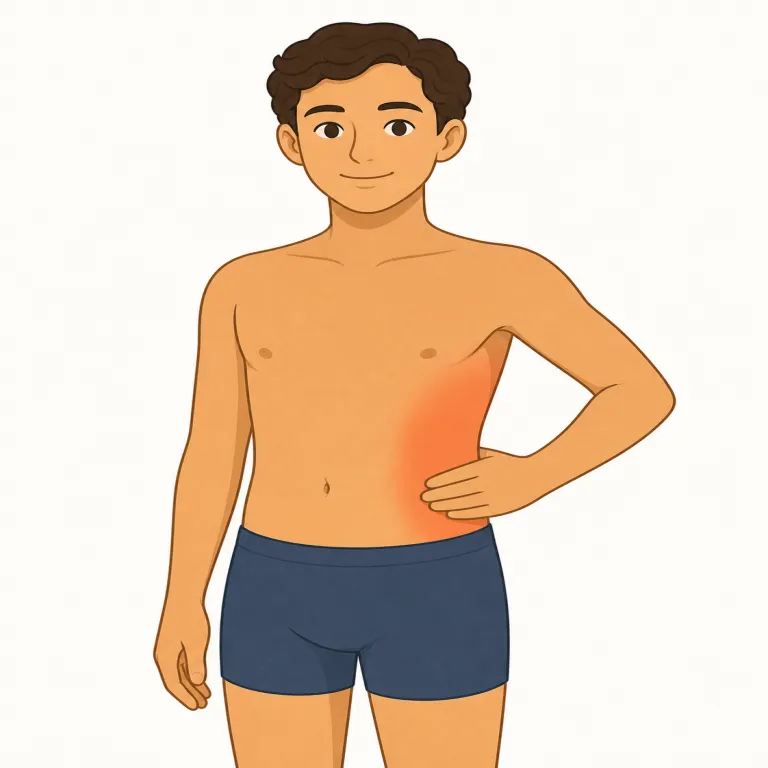
flank はTOEIC 990・TOEFL 100・IELTS 7.5レベルの英単語で、「側面」という意味があります。発音記号は /ˈflæŋk/ です。
身体の脇腹や腰の側面部分を指す。軍隊の側面や、集団・組織の周辺または補助的な部分も意味する。
A flank is the side part of something, especially an animal, army, or mountain. It is often used when talking about position, movement, or attack from the side. In military contexts, protecting the flank means guarding a weaker side area.
まず body の文脈で「わき腹・横腹」を思い浮かべると核がつかめます。そこから意味が広がって、army なら「部隊の側面」、mountain なら「山腹」のように、中心ではなく“横の端”を指す語だと覚えると整理しやすいです。side よりも、左右どちらかの横側で、とくに攻撃や防御の弱点になりやすい場所を言う感じ。left flank, right flank, attack the enemy's flank の形でまとめて覚えると定着します。
Start with the body: your `flank` is your side. Then extend that image to an army or a mountain, where `flank` still means the side, especially a weak or important side area. `Left flank` and `right flank` are good fixed phrases to remember.
The soldier felt pain in his flank.
その兵士は脇腹に痛みを感じた。
The team attacked down the opponent's flank.
そのチームは相手のサイドから攻めた。
She held her sore flank as she walked.
彼女は歩きながら痛む脇腹を押さえた。
文脈によって、次の意味でも使われます。
人・建物・木などが、ある物や場所の片側または両側に位置する、あるいはそれを両側から挟むことを表す他動詞です。be flanked by ... の受け身が特に多く、単なる近接より配置上の「脇」を意識させます。
軍事で、敵の側面を攻撃する、またはその側面を脅かすことを表します。flank the enemy のように目的語を取り、名詞の「側面」そのものではなく戦術的な攻撃や配置を示します。
flank は古フランス語 flanc「脇・腰」を経て英語に入り、さらにゲルマン系の「曲がる」に通じる語源へさかのぼります。体の「わき腹」が原義なので、そこから軍隊や山の「側面」という意味になったと考えると納得しやすいです。関連語は flanking です。
Flank entered English from Old French flanc, meaning "side" or "side of the body." It goes back to a Germanic root connected with bending or the side part of something. From the sense of a person's side, it later grew into the meaning of the side of an army, hill, or other object.
この英単語をクイズで覚えよう