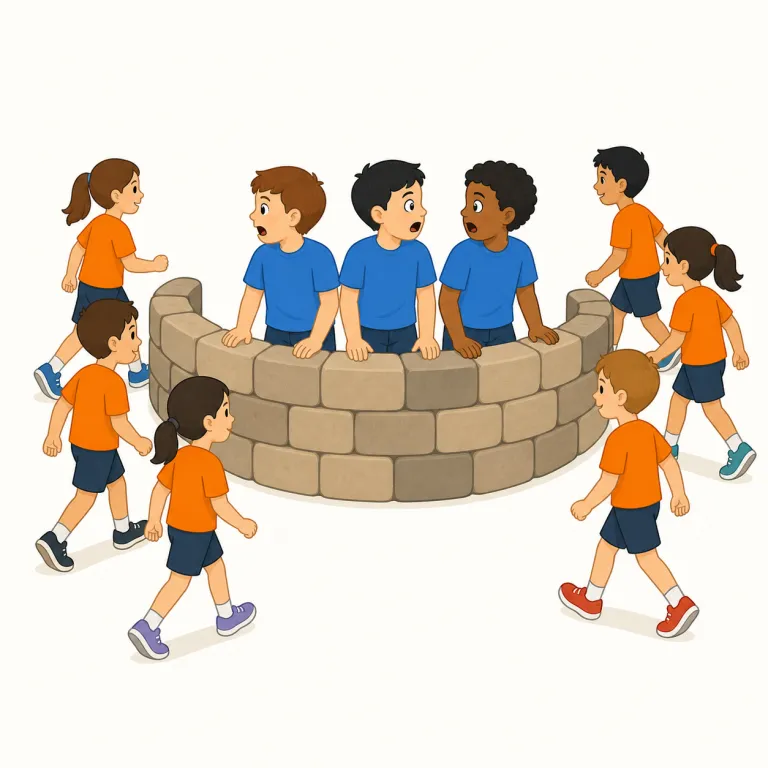
outflanked
outflanked はTOEIC 990・TOEFL 100・IELTS 7.5レベルの英単語で、「側面から迂回する」という意味があります。発音記号は /ˌaʊtˈflæŋkt/ です。
側面から迂回する
解説 Definition
敵の側面から迂回して攻撃すること。また、予期しない戦略や手段によって相手を圧倒または出し抜くことも意味する。
Outflanked means defeated or put at a disadvantage by being attacked or moved around from the side. It can be used in military situations and also in a figurative way for politics, business, or arguments. The word suggests that someone lost because the other side used a smarter position or strategy.
覚え方のコツ Memory Tip
flank は「側面」。まず army, enemy, attack などと結び付けて「横から回り込む」場面を思い浮かべると定着しやすいです。out- は outperform, outnumber のように「上回る」。つまり outflank は「側面で上回る」→ 正面勝負ではなく位置取りや作戦で勝つこと。過去分詞 outflanked は be outflanked で「側面を突かれる/策で出し抜かれる」。outnumbered が数の優位、outflanked は配置・戦略の優位、と分けて覚えると混同しません。
Start with "flank," which means the side of something, especially in military language. Then remember "out-" as in "outperform" or "outnumber," meaning to do better than someone. So "outflanked" suggests being beaten by position or strategy from the side, not by a direct front attack.
例文
The general outflanked the enemy's defensive position.
将軍は敵の防御陣地の側面に回り込みました。
The surprise attack outflanked the defensive line.
奇襲攻撃は防御線の側面を突きました。
The negotiator was outflanked by his opponent's unexpected arguments.
交渉者は相手の予想外の主張に出し抜かれました。
outflanked の類義語・関連語
派生語
outflanked の語源・成り立ち Etymology
out-「外側で上回って」+ flank「側面」から成る語で、flank は古フランス語 flanc にさかのぼります。敵の横へ回り込む軍事イメージから、「側面を突く」「出し抜く」という意味が自然に生まれました。flanking や flanker が同系語です。
Outflanked is formed from out- "beyond, from the outside" and flank, which came into English through Old French flanc, "side." It first belonged to military language, meaning to move around an enemy's side. From that image, it broadened to mean getting an advantage over someone by strategy.
同じレベルの語彙をもっと
TOEIC 990の一覧へ →外部辞書で調べる
この英単語をクイズで覚えよう