えいたんごクイズ

ford

/fɔːrd/

意味一覧 (2件)

noun

浅瀬あさせ

解説 Definition

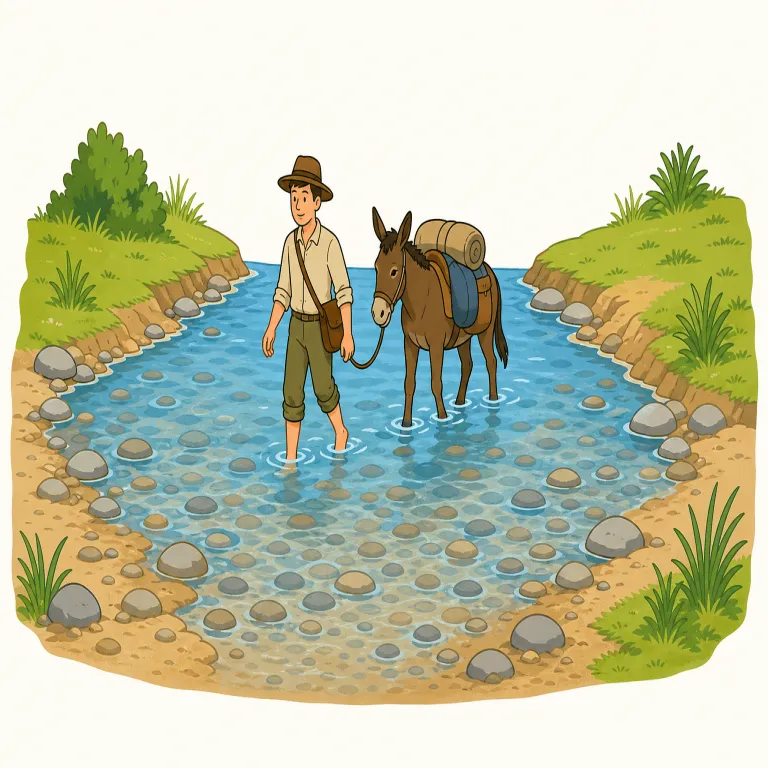
名詞のfordは、川の中で水深が低く、人や家畜、車両が通れる自然の渡り場を指します。橋そのものではなく、道と川が交差して通行可能になる地点です。地名、古道、農村や軍事史の文脈で目立ちます。

A ford is a shallow place in a river or stream where people, animals, or vehicles can cross. This word is mainly used in geography, history, and descriptions of natural places. It is not a bridge, but a part of the water that is safe enough to pass through.

覚え方のコツ Memory Tip

名詞fordは「川の一部が道の役目をする場所」と捉えるとよいです。浅い地点が交通路になっているため、地図や歴史叙述では移動の要所として現れます。Oxfordはox「牛」+ford「浅瀬」で、牛が渡れる場所に由来する地名と考えると、人工のbridgeではなく自然のcrossing pointを表す語だと覚えやすくなります。

Remember `ford` as a place where you can cross water, not the whole river. It helps to learn the verb too: to `ford` a river. The place name `Oxford` is a strong memory hook: `ox` + `ford`, a place where oxen crossed.

例文

We drove through the ford before the bridge was repaired.

橋の修理が終わる前に、私たちは浅瀬を車で渡った。

Farmers guided their cattle across the shallow ford every morning.

農民たちは毎朝、浅い渡し場で牛を渡らせた。

During the drought, the ford dried up and travelers had to take a longer route.

干ばつの間、浅瀬は干上がり、旅行者たちはより遠回りの道を進まざるを得なかった。

verb

浅瀬あさせわた

(意味 2)

解説 Definition

動詞のfordは、橋がない川筋で、浅い流れを足・馬・車などで踏み分けて向こう岸へ渡ること。単なるcrossより水中を進む実感が強く、探検記、軍隊の進行、田舎道での移動描写に向きます。目的語はriverやstreamが典型です。

As a verb, ford means to cross a river or stream at a shallow place where there is no bridge. It suggests moving through the water on foot, on horseback, or in a vehicle, so it feels more physical than the general verb cross. It is often used with words like river and stream, especially in travel, military, or outdoor writing.

覚え方のコツ Memory Tip

名詞ford「渡れる浅瀬」を動作にした語で、「浅瀬を利用して川を越える」と結びつけると定着します。bridgeを渡るのでもboatで渡るのでもなく、水面に入って進む点が核です。ford a river / streamの形で覚え、車が水しぶきを上げて低い川を抜ける映像を思い浮かべると、一般的なcrossとの違いが残ります。affordとは別語です。

Remember the noun ford first: it means a shallow place in a river where you can cross. From that, the verb ford means to cross by going through the water, not by using a bridge or a boat. Picture a car splashing through a low river, and the difference from the more general verb cross will be easier to remember. Do not confuse it with afford, which is a completely different word.

例文

We had to ford the river because the bridge was gone.

橋がなくなっていたので、私たちはその川を浅瀬づたいに渡らなければならなかった。

The farmers used a truck to ford the stream after the heavy rain.

大雨のあと、農家の人たちはトラックでその小川を浅瀬づたいに渡った。

In the old story, the soldiers forded the water at dawn and entered the valley.

その古い物語では、兵士たちは夜明けに浅瀬を渡って谷に入った。

ford の語源・成り立ち Etymology

古英語 ford(渡り場)に由来し、ゲルマン祖語 *furduz(渡る場所)から。語根は「進む・渡る」を意味し、ドイツ語 Furt も同源。Oxford(牛の渡し場)など地名に多く残る。川を歩いて渡れる浅い場所が原義。

Ford comes from Old English ford, from an older Germanic word meaning a place to cross. Its basic idea was a shallow part of a river where people or animals could go through on foot. The meaning stayed very close to that original sense. A related word appears in German Furt, and the word also survives in place names like Oxford.

外部辞書で調べる

この単語を英単語クイズで覚えよう