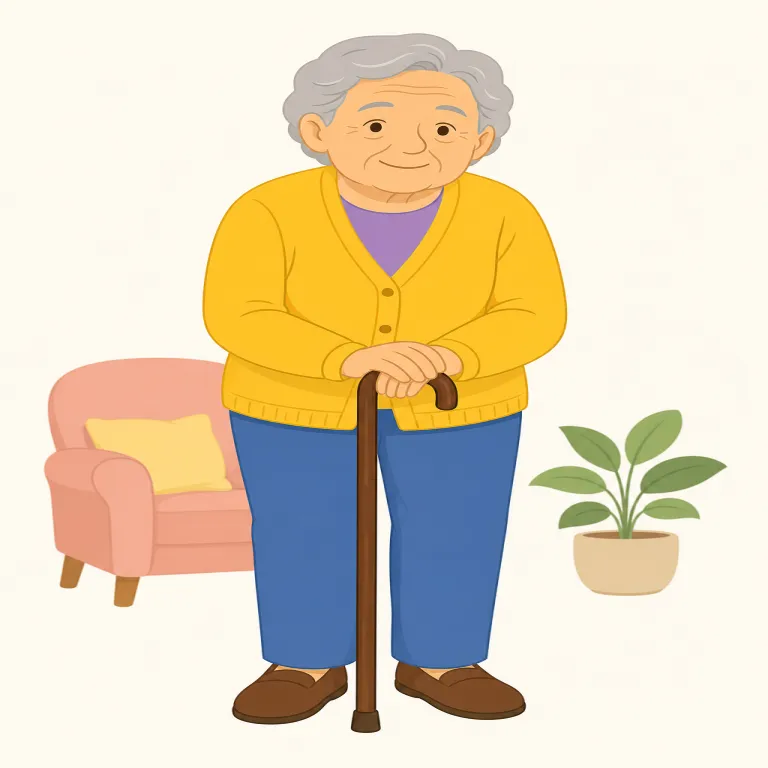
年老いた,高齢の
解説 Definition
人や動物については「年老いた」「高齢の」という意味で使われ、丁寧でやや書き言葉的な表現です。物に使うと長い年月を経た古びた様子を表すこともあります。elderlyに近い語感ですが、名詞ではなく形容詞として用います。
Aged means old or elderly. It is a more formal word and is often used when describing people, products, or things that have become old over time.
覚え方のコツ Memory Tip
aged はまず age「年齢」がそのまま形容詞化した形だと押さえると覚えやすいです。an aged man / aged parents のように、人については elderly に近いものの、会話で強くラベルを貼る感じはやや弱く、少し丁寧で書き言葉寄り。チーズや家具など物に付くと「長く時を経た」の感覚になり、aged cheese のように必ずしも悪い意味ではありません。old は最も広い基本語、aged は「年齢を重ねた」という事実に焦点、elderly は高齢者への配慮ある言い換えでよく使われる、と並べて覚えると混同しにくいです。
Build it from `age`. `Aged` means “having a lot of age,” so the form is easy to remember. Compare it with `old` and `elderly`: `old` is the basic word, while `aged` sounds a little more formal and often appears in writing. It is also used for things like `aged cheese`, so it does not always sound negative.
例文
The aged man walks slowly.
その年老いた男性はゆっくり歩く。
An aged woman smiles at me.
高齢の女性が私にほほえむ。
The aged dog sleeps a lot.
その年老いた犬はよく眠る。
〜歳の
(意味 2)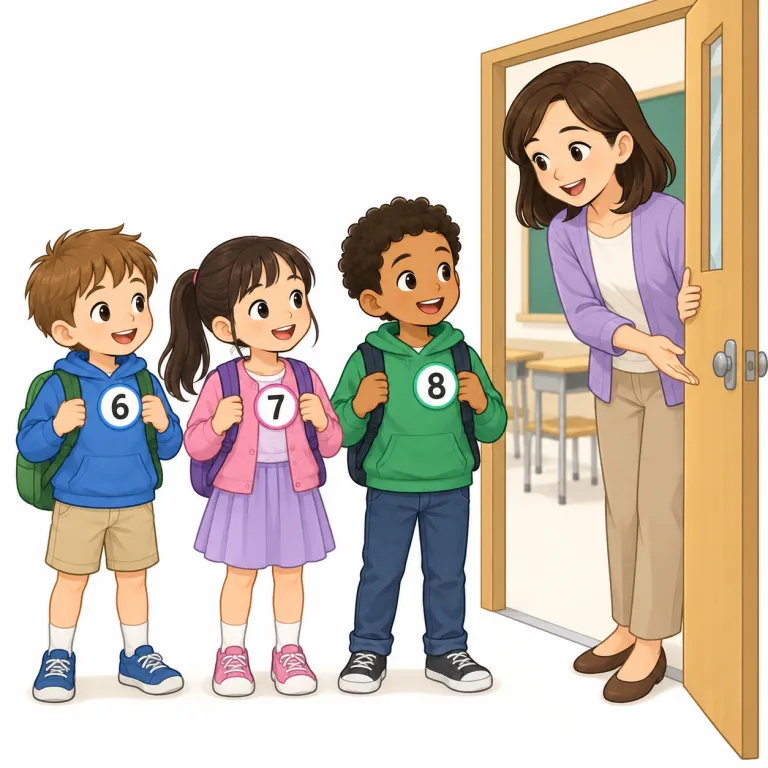
解説 Definition
年齢を表す数字の後ろに置いて、「何歳であるか」を示す形容詞です。人について年齢条件や対象範囲を述べるときによく使われ、募集要項・調査結果・案内文などの少し事務的な文脈で特に頻出します。
Having the age specified by the number or range that follows. This adjective often appears after a noun referring to people in notices, surveys, or descriptions of who can participate.
覚え方のコツ Memory Tip
aged は age「年齢」に -ed が付いて、「その年齢を持つ」と見ると覚えやすいです。children aged six to eight なら「老いた子ども」ではなく、「6歳から8歳という年齢の子ども」。数字の後ろで aged 20 to 35 のように出たら、年齢範囲を示す事務的な言い方だと押さえましょう。an aged man の「年老いた」とは、数字があるかどうかで切り分けると混同しにくいです。
Connect aged with age plus -ed, and think "having this age." In "children aged six to eight," aged follows children and comes before the numbers.
例文
The class is for children aged six to eight.
そのクラスは6歳から8歳の子ども向けです。
We interviewed workers aged 20 to 35.
私たちは20歳から35歳の労働者に聞き取りを行いました。
Admission is free for visitors aged twelve and under.
12歳以下の来場者は入場無料です。
熟成した
(意味 3)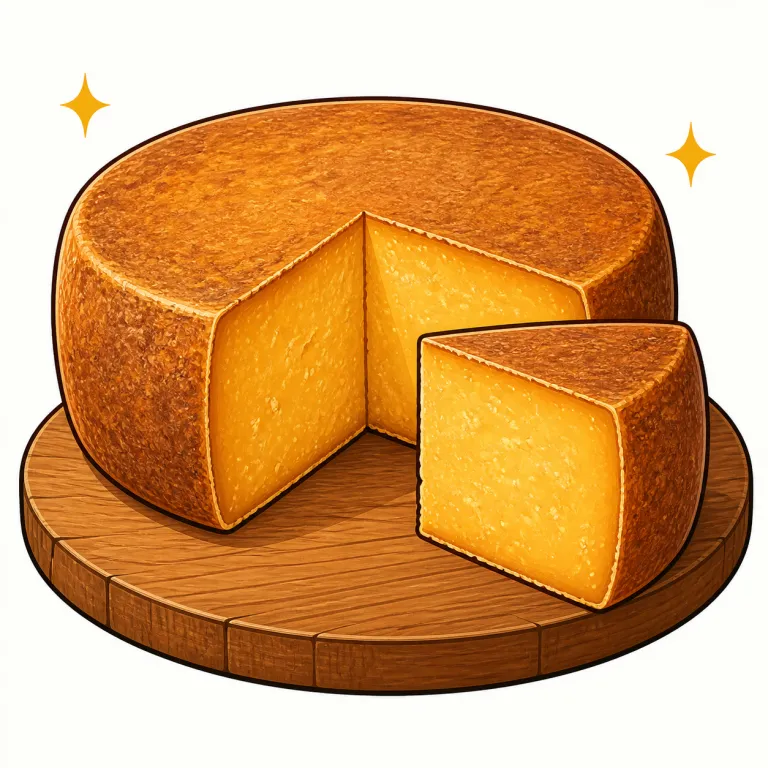
解説 Definition
食品や酒などが時間をかけて寝かされ、風味や香りが深まった状態を表します。チーズ・肉・ワイン・ウイスキーなどについて使われ、単に古いという意味ではなく、意図的に品質が高まったという含みがあります。
Kept for a period of time so that its flavor or aroma develops. This adjective describes foods and drinks, such as cheese, beef, or whiskey, whose quality has been improved through this process.
覚え方のコツ Memory Tip
aged は age「時・年齢」を重ねた結果だと押さえると覚えやすいです。この行では人が「年老いた」ではなく、aged cheese / aged whiskey のように食品や酒が時間をかけて寝かされ、香りや味が深まった状態を表します。old cheese だと単に古い・傷みそうな感じにもなりますが、aged cheese は意図的に熟成させて価値が出たニュアンス。人についての aged「高齢の」とは切り分け、物に付くと「時間が品質を育てた」と覚えると混同しにくいです。
Connect aged with the passing of time, and imagine cheese developing a richer flavor while it rests. Remember "aged cheese" as food given time to develop its quality.
例文
This shop sells aged cheese from Italy.
この店ではイタリア産の熟成したチーズを売っています。
He prefers aged whiskey to sweeter drinks.
彼は甘い飲み物より熟成したウイスキーを好みます。
The restaurant is known for its aged beef.
そのレストランは熟成した牛肉で知られています。
aged の類義語・関連語
aged の語源・成り立ち Etymology
古フランス語 aagé(年を取った)から。動詞 age(年をとる)の過去分詞形で、age 自体はラテン語 aetas(年齢・時代)に由来する。関連語: age(年齢)、medieval(中世の、medi+aev+al)。ラテン語 aevum(時代)が根底にあり、「時を経た」が「老いた」の意味になった。
"Aged" came into English from Old French aage, meaning "of age" or "old." It is based on "age," which comes from Latin aetas, meaning "lifetime" or "era," and is connected with aevum, "age" or "time." The sense developed naturally from "having lived through time" to "old."
同じレベルの語彙をもっと
外部辞書で調べる
この英単語をクイズで覚えよう