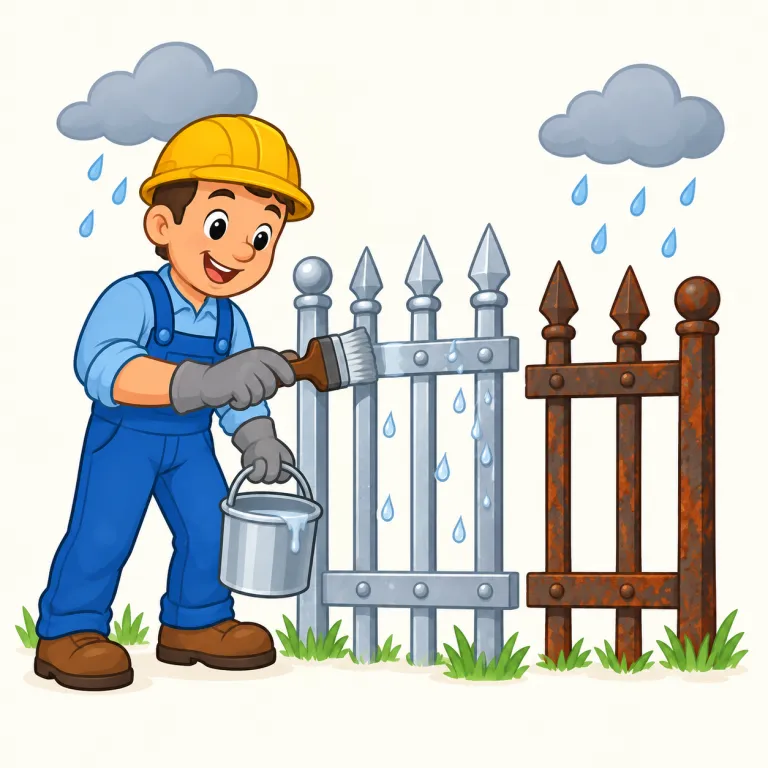
亜鉛メッキ・人を奮い立たせる
解説 Definition
鉄鋼に亜鉛の被膜をかけて腐食を防ぐ処理。また、人を奮起させることも意味する。
Galvanizing can mean covering metal with a layer of zinc to protect it from rust. It can also mean the act of making people feel energized and ready to act. The technical meaning is common in engineering, while the figurative meaning is common in general writing.
覚え方のコツ Memory Tip
まず基礎の動詞 galvanize を押さえると覚えやすいです。-ize は「〜化する」、-ing が付くと「その作用・過程」や形容詞的な用法になります。意味は2本柱ですが、核は共通していて「外から強い刺激を与えて、すぐ動ける状態にする」。金属なら亜鉛で表面を守って強くし、人なら出来事や言葉がチーム・世論を奮い立たせる、というつながりで整理すると残りやすいです。galvanizing effect, galvanizing speech, galvanizing steel などの形で見たらこの感覚を思い出してください。
Remember the base verb `galvanize` first. The core idea is “give a strong push from outside” so something becomes ready to act or stronger. That helps you connect both uses: metal made stronger on the outside, and people suddenly moved to action. Common phrases like `a galvanizing speech` or `a galvanizing effect` can help fix that feeling in memory.
例文
Galvanizing steel with a zinc coating protects it from rust and corrosion.
鋼に亜鉛メッキを施すと、さびや腐食を防ぐことができる。
Galvanizing protects outdoor fences from rust.
亜鉛メッキは屋外のフェンスをさびから守る。
The factory specializes in galvanizing iron fences for outdoor use.
その工場は屋外用の鉄フェンスの亜鉛メッキを専門としている。
galvanizing の類義語・関連語
galvanizing の語源・成り立ち Etymology
galvanizing はイタリアの科学者 Galvani の名に由来し、もとは電気刺激で筋肉をびくっと動かすことを指しました。そこから電気を使う亜鉛メッキの意になり、さらに人を電撃のように奮い立たせる比喩にも広がりました。関連語は galvanic, galvanism です。
Galvanizing comes from the name of the Italian scientist Luigi Galvani. It first referred to causing movement by electric shock, based on his work with electricity and muscles. Later it was used for coating metal with zinc by an electrical process, and then figuratively for giving people sudden energy or action. Related words include galvanic and galvanism.
同じレベルの語彙をもっと
外部辞書で調べる
この英単語をクイズで覚えよう