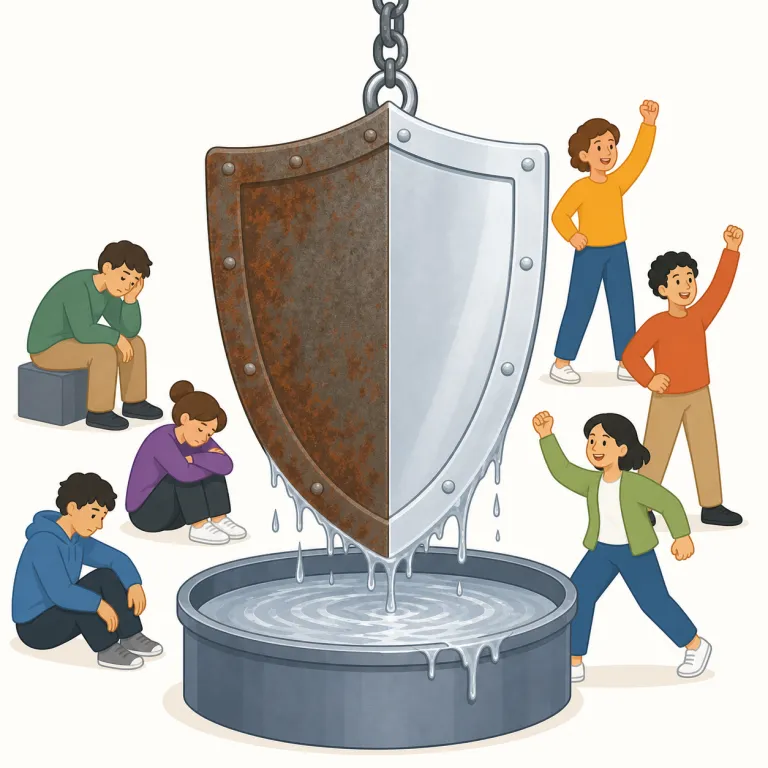
galvanize
galvanize は英検1級レベルの英単語で、「亜鉛メッキする・奮い立たせる」という意味があります。発音記号は /ˈɡælvənaɪ̯z/ です。
亜鉛メッキする・奮い立たせる
解説 Definition
金属に亜鉛メッキを施して錆を防ぐこと。また比喩的に、人を刺激して行動を起こさせること。
To galvanize can mean to cover metal with a layer of zinc to protect it from rust. More commonly in general English, it means to shock or inspire people into taking strong action.
覚え方のコツ Memory Tip
語尾の -ize は「〜化する・〜させる」で、modernize, energize と同じ型。galvanize は「金属を亜鉛で処理して錆びにくくする」と「人に強い刺激を与えて動かす」の二本立てで覚えると整理しやすい。鉄を亜鉛で覆って守る場面と、スピーチで人々に電気ショックのような勢いを与える場面を並べて思い浮かべる。motivate よりも瞬間的で強い刺激があり、専門文脈では galvanize steel のように「亜鉛メッキする」へ切り替えるのがポイント。
The ending `-ize` often means "make" or "cause," like in `modernize` or `energize`. So `galvanize` is easy to remember as giving a strong push that makes people act. In everyday English it is often figurative, as in `galvanize a team` or `galvanize public opinion`, stronger and more sudden than simply `motivate`.
例文
The speech was enough to galvanize the crowd into action.
そのスピーチは群衆を奮い立たせて行動に駆り立てるのに十分だった。
They galvanize the steel beams to prevent rusting in outdoor conditions.
屋外でさびるのを防ぐために、鉄骨に亜鉛メッキを施す。
The crisis galvanized the government into passing new legislation.
その危機が政府を動かし、新たな法律を可決させた。
galvanize の類義語・関連語
galvanize の語源・成り立ち Etymology
galvanize は18世紀のイタリア人科学者ガルヴァーニの名から生まれ、もとは電気で筋肉を刺激することでした。galvanic や galvanism も同根で、『電気的な刺激・処理を与える』感覚から「奮い立たせる」へ、また電気化学的な処理で金属を亜鉛で覆る「亜鉛メッキする」へ広がりました。
Galvanize comes from the name of the Italian scientist Luigi Galvani in the 18th century. It first referred to stimulating muscles with electricity, and related words like galvanic and galvanism keep that older scientific sense. From the idea of being shocked into action, the meaning widened to "to stir up" or "to energize." It also later developed the technical sense of coating metal with zinc by an electrical process.
同じレベルの語彙をもっと
英検1級の一覧へ →外部辞書で調べる
この英単語をクイズで覚えよう