ハロゲン化物
解説 Definition
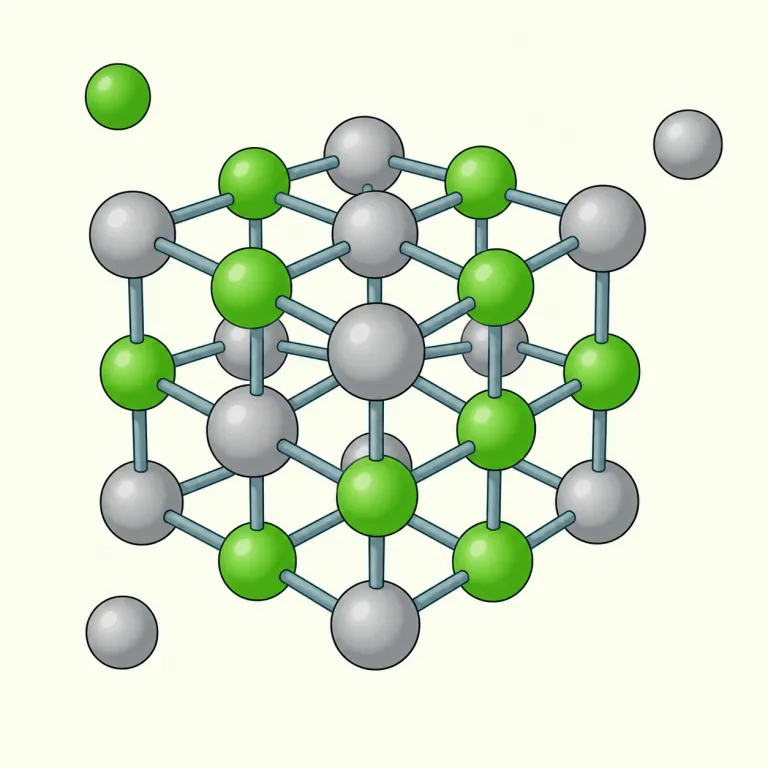
ハロゲン化物とは、ハロゲン元素(塩素、臭素、フッ素など)と他の元素が結合した化学物質です。塩やプラスチックの製造など、様々な産業分野で使用されます。
A halide is a chemical compound made when a halogen, such as chlorine or iodine, joins with another element. This word is mainly used in chemistry and science contexts.
覚え方のコツ Memory Tip
halogen を知っていれば、halide はハロゲンそのものではなく、ハロゲンを含む化合物とセットで覚えると定着しやすい。化学で -ide は oxide, sulfide, chloride など「〜化物」を作る超頻出パターンなので、hal- + -ide を見た瞬間に化合物名だと反応するのがコツ。特定の1種ではなく、塩化物・臭化物・フッ化物をまとめる上位カテゴリとしても出る。silver halide, metal halide も一緒に押さえると強い。
If you know `halogen`, use that as the base. The ending `-ide` is a very common chemistry pattern in words like `oxide` and `chloride`, so it signals a compound, not an element by itself. That makes `halide` easy to remember as a halogen-related compound word. Common pairs like `silver halide` and `metal halide` help fix it in memory.
例文
Silver halides are commonly used in photographic film.
ハロゲン化銀は写真フィルムによく使われます。
The chemist synthesized a new organic halide in the laboratory.
化学者は実験室で新しい有機ハロゲン化物を合成した。
Halide ions can affect the activity of pharmaceutical compounds.
ハロゲン化物イオンは医薬品化合物の活性に影響することがあります。
halide の類義語・関連語
紛らわしい語
halide の語源・成り立ち Etymology
halide はギリシャ語 hals「塩」をもとにした halo- 系と、化合物名を作る接尾辞 -ide から成ります。つまり「塩を作る元素の化合物」という見取り図で、halogen や haloid も同じ語根を共有し、化学名の筋道が見えてきます。
Halide is formed from a Greek root meaning "salt," seen in halogen and haloid, plus the chemical ending -ide. The Greek source is hals, meaning "salt." In chemistry, the word came to mean a compound connected with salt-forming elements, so the meaning grew in a technical way from the older salt idea.
同じレベルの語彙をもっと
外部辞書で調べる
この英単語をクイズで覚えよう