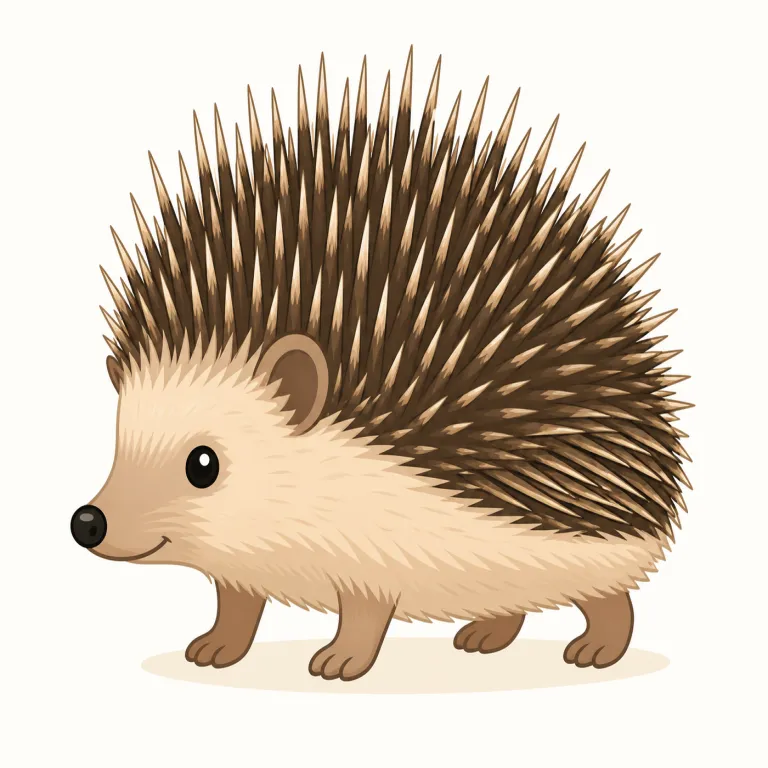
逆立った
解説 Definition
毛や毛髪が逆立っている様子。また、怒りや緊張で身構えている状態を表します。
Bristling means covered with stiff hairs, points, or objects that stick outward. It can also describe a person who seems angry, tense, or ready to react strongly. The word often gives a sense of sharpness or nervous energy.
覚え方のコツ Memory Tip
bristling は、まず「毛・針がツンツン立っている絵」を頭に固定すると覚えやすい語です。brush の毛先や porcupine の針のように、外へピンと突き出た感じ。そこから比喩で、人が批判や挑発に触れて bristle at し、「ムッとして身構える」に広がります。smiling が表情の出た状態なら、bristling は“逆立ってピリついた状態”。bristling hair のような物理描写と、bristling with anger のような緊張感ある文脈をセットで覚えると定着します。
Picture bristles on a brush, or sharp hairs standing up on an animal. That image helps you remember both the physical sense and the feeling in `bristle at`, when someone reacts sharply. `Bristling` suggests a tense, spiky state, not a calm one.
例文
The cat arched its back, its fur bristling with fear at the sight of the dog.
猫は背中を丸め、犬を見て恐怖で毛を逆立てた。
She was bristling with anger after reading the unfair review of her work.
彼女は自分の作品に対する不公平なレビューを読んで怒りに震えていた。
The hedgehog's bristling spines kept predators at a safe distance.
ハリネズミの逆立った棘は捕食者を近寄らせなかった。
bristling の類義語・関連語
bristling の語源・成り立ち Etymology
bristling は bristle + -ing です。bristle は古英語 bristl「剛毛」にさかのぼり、ゲルマン系の「突き出た毛」の語根から来ました。毛が逆立つ像から怒りや緊張も表すようになり、bristle や bristly が同根です。
Bristling comes from `bristle` with the ending `-ing.` `Bristle` comes from Old English `byrstel` or `bristel`, referring to stiff hair, from a Germanic root about something sticking out sharply. Because stiff hairs rise when an animal is alarmed, the word later came to suggest anger, tension, or readiness to react. Related words include `bristle` and `bristly`.
同じレベルの英単語をもっと
外部辞書で調べる
この単語を英単語クイズで覚えよう