切望する
解説 Definition
hankering は hanker「切望する、強く欲しがる」の現在分詞・動名詞です。食べ物や懐かしいもの、機会などへの強く持続する欲求を表します。
The present participle or gerund of “hanker,” meaning to feel a strong, persistent desire for something, often food, comfort, a familiar experience, or an opportunity. It commonly appears in the pattern “hankering for” and can also function as a countable noun.
使い方 Usage
使い分け Common distinctions
- wanting より、感情のこもった長引く欲求を表すことが多い語です。 Hankering often expresses a more emotional and persistent desire than wanting.
- a hankering for chocolate の hankering は可算名詞で「チョコレートへの強い欲求」。動詞の進行形とは区別します。 In a hankering for chocolate, hankering is a countable noun meaning a strong desire for chocolate. Distinguish this from the progressive verb form.
覚え方のコツ Memory Tip
hanker に -ing をそのまま付けます。欲しいものに心が引きつけられ、何度も思い返すイメージで、長引く強い欲求を覚えます。
Add -ing directly to hanker. Imagine the mind staying attached to something desired and repeatedly returning to it; this captures a strong, persistent longing.
例文
She was hankering for a quiet weekend by the sea.
彼女は海辺で静かな週末を過ごしたいと強く望んでいました。
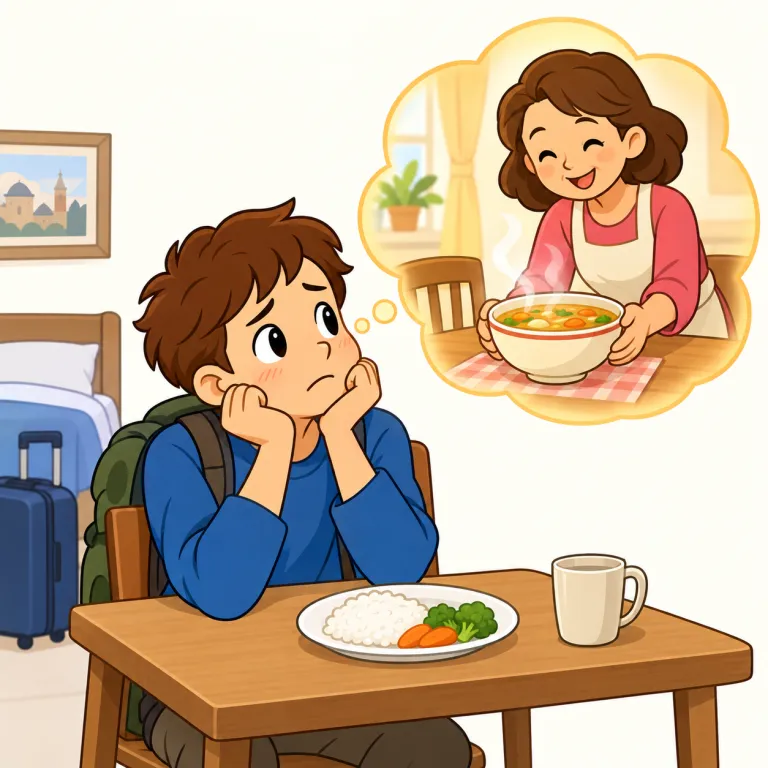
After months abroad, he found himself hankering for his mother's soup.
数か月海外にいた後、彼は母親のスープが無性に恋しくなりました。
hankering の類義語・関連語
hankering の語源・成り立ち Etymology
hankering は hanker + -ing で、hanker は語源がはっきりせず、オランダ語・低地ドイツ語系の「ぶら下がる、まといつく」に通じるとされます。心が対象に引っかかって離れない感じから「切望」が生まれたと考えると分かりやすく、近い語感は hang, hank に見えます。
“Hankering” consists of “hanker” plus “-ing.” The precise origin of “hanker” is uncertain, but it is generally connected with Dutch or Low German vocabulary suggesting hanging, lingering, or clinging. That background fits the figurative picture of a desire that stays attached to the mind. English has used the verb for persistent longing, and the “-ing” form also developed into a noun for such a craving.
同じレベルの語彙をもっと
外部辞書で調べる
この英単語をクイズで覚えよう