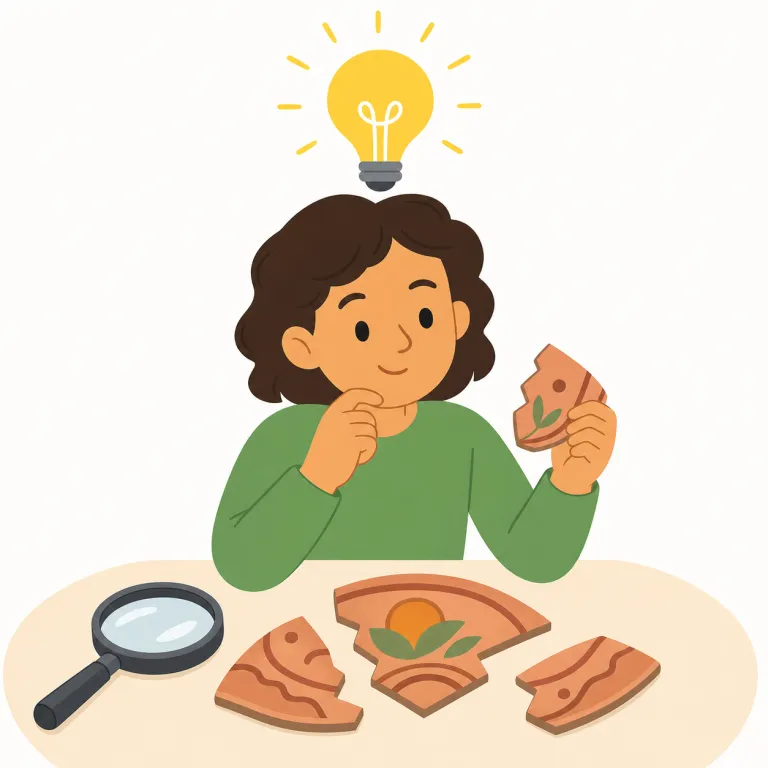
have a clue
have a clue は英検1級レベルの英熟語で、「見当がつく」という意味があります。発音記号は /ˌhæv ə ˈkluː/ です。
見当がつく
解説 Definition
「have a clue」は何かについて手がかりや見当がある状態を表す口語表現。「Do you have a clue?」(見当がつきますか)のように肯定的な文脈でも、「I don't have a clue」(まったく見当がつかない)のように否定形でも使われる。
To know or understand something, even a little. It is often used in negative forms like "not have a clue" to say someone knows nothing about a situation.
覚え方のコツ Memory Tip
clue は『手がかり』という名詞。まずこの基本を押さえ、『have a clue = 手がかりを持っている』と直結で覚えると崩れにくい。会話では肯定よりも have no clue / don't have a clue の形が圧倒的に多く、『まったく見当がつかない』の定番表現。know は知っている、guess は当てずっぽう、have a clue は答えそのものではなく“糸口がある”段階。clueless(見当違いの、全然分かっていない)もセットで覚えると記憶が強くなります。what happened や why など疑問語とも相性がいいです。
A "clue" is a small piece that helps you find an answer, so "have a clue" means having at least some starting point. In real conversation, the negative form is much more common: "I don't have a clue." You can also connect it with "clueless," which describes a person with no idea at all.
例文
Do you have a clue where she went?
彼女がどこに行ったか見当がつきますか。
I didn't have a clue how to solve the puzzle.
そのパズルをどう解くか見当もつかなかった。
After talking to Maya, I have a clue why she left early.
マヤと話して、彼女がなぜ早く帰ったのか見当がついた。
have a clue の類義語・関連語
派生語
have a clue の語源・成り立ち Etymology
clueは中英語clewe(糸玉)から。ギリシャ神話でテセウスがミノタウロスの迷宮から糸玉を頼りに脱出した故事に由来し、「手がかり」の意に転じた。have a clueで「糸口を持つ」→「見当がつく」。関連語:clueless(見当もつかない)。否定形have no clueの方が日常会話では頻出。
Clue comes from Middle English clewe, meaning "a ball of thread." The meaning changed through the image of a thread guiding someone through a maze, often linked to the story of Theseus and the Labyrinth. From that, clue came to mean anything that helps you find the answer or way forward; clueless is a later related word.
同じレベルの語彙をもっと
英検1級の一覧へ →外部辞書で調べる
この英熟語をクイズで覚えよう