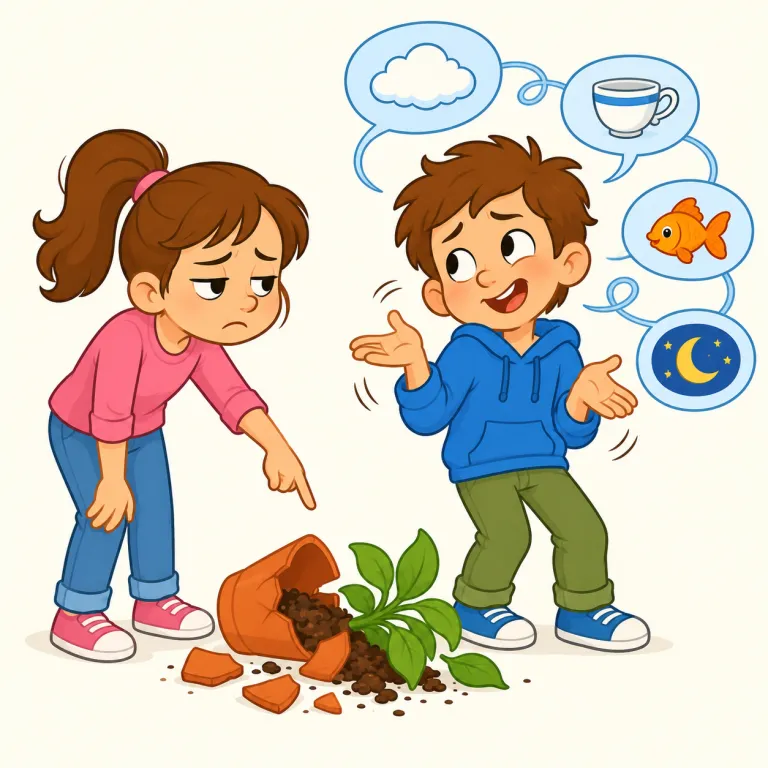
たわごとを言う、ぐずぐず話す
解説 Definition
havers は haver の三人称単数形で、主にスコットランド英語や英国口語で「くだらないことを言う」「とりとめなく話す」という意味です。相手の発言を信用しない時や、要点のない長話を軽く批判する場面で使われます。
Havers is the third-person singular form of haver, a word used mainly in Scottish English and informal British English. It means to talk nonsense or to speak for a long time without getting to the point. People often use it when they do not believe what someone is saying or when they think the speaker is being vague and unhelpful.
覚え方のコツ Memory Tip
havers は haver に三単現の -s が付いた形です。have「持つ」と見た目が近いので所有の意味に引っ張られやすいですが、口語・方言的な文脈で人が主語なら「中身のない話をする」と考えます。talk nonsense や ramble に近く、serious に述べるのではなく、聞き手が「それは信用できない」「要点がない」と感じる発話に使われます。
Havers is just haver with the third-person singular -s. It looks a little like have, so it is easy to think about possession, but that meaning is wrong here. When the subject is a person in an informal British or Scottish context, think of talk nonsense or ramble. The word often suggests that the listener feels the speech is not reliable or has no clear point.
例文
He always havers when you ask him a direct question.
彼ははっきり聞かれると、いつもぐずぐず話す。
She havers on about wild theories that nobody in the room really believes.
彼女は誰も本気で信じていない妙な説をだらだら話し続ける。
The article says the minister havers instead of giving a clear answer.
その記事は、大臣が明確に答えずにたわごとを言っていると述べている。
havers の類義語・関連語
havers の語源・成り立ち Etymology
動詞 haver はスコットランド英語で「たわごとを言う、ぐずぐず話す」を表す語です。語源は不確かですが、揺れる・ためらう意味の古い語と関連するとされます。
Haver is a Scots verb meaning to talk nonsense or to speak in a hesitant, wandering way. Its exact origin is uncertain, but it is often linked to older words connected with wavering or hesitation.
同じレベルの語彙をもっと
外部辞書で調べる
この英単語をクイズで覚えよう