意味一覧 (3件)
プルーン
解説 Definition
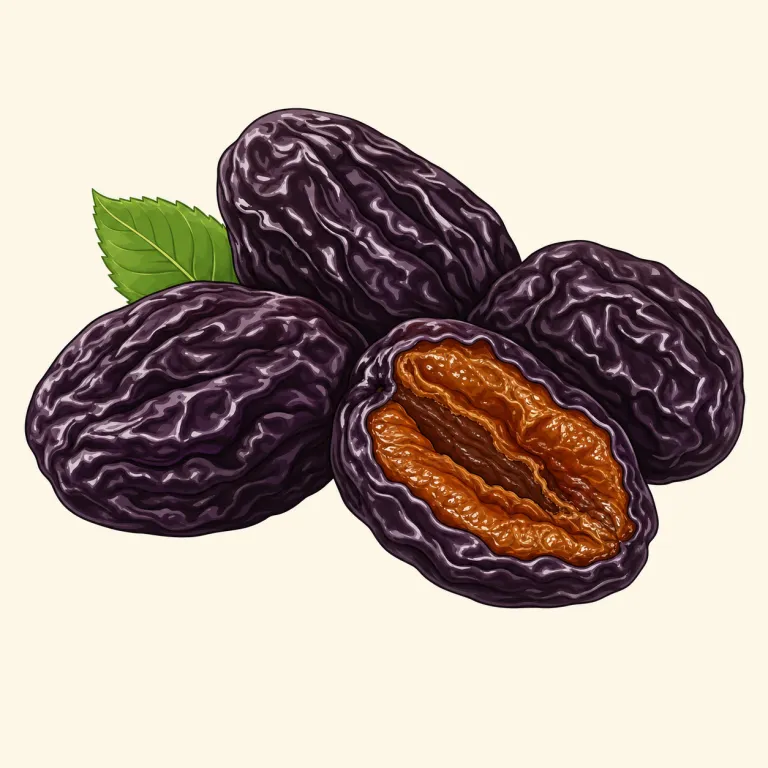
prune は、英語では通常、乾燥させたプラムを指す名詞です。食品としてそのまま食べたり、料理やジュースに使われたりします。日本語の「プルーン」と近いですが、生の果実一般ではなく、特に dried plum として理解すると正確です。
A prune is a dried plum that is eaten as a food. It is common as a snack and is also used in cooking. People often connect prunes with healthy digestion.
覚え方のコツ Memory Tip
prune を見たら、まず「乾燥プラム」と結びつけましょう。prune juice や dried prunes のように、食品・健康の文脈でよく出ます。生の果実を広く言うなら plum なので、prune は乾いたしわのあるプルーンのイメージで区別すると覚えやすいです。
This is easy to remember because `prune` is almost the same word many learners already know for the fruit. Think of food phrases like `prune juice` and `dried prunes` to keep the noun meaning clear. Be careful, because `prune` can also be a verb, so the food context helps you separate them.
例文
I added dried prunes to my breakfast cereal.
朝食のシリアルにドライプルーンを加えた。
Prunes are known for their digestive benefits.
プルーンは消化促進効果で知られている。
She snacked on a handful of prunes throughout the day.
彼女は1日中一握りのプルーンをおやつにした。
剪定する
(意味 2)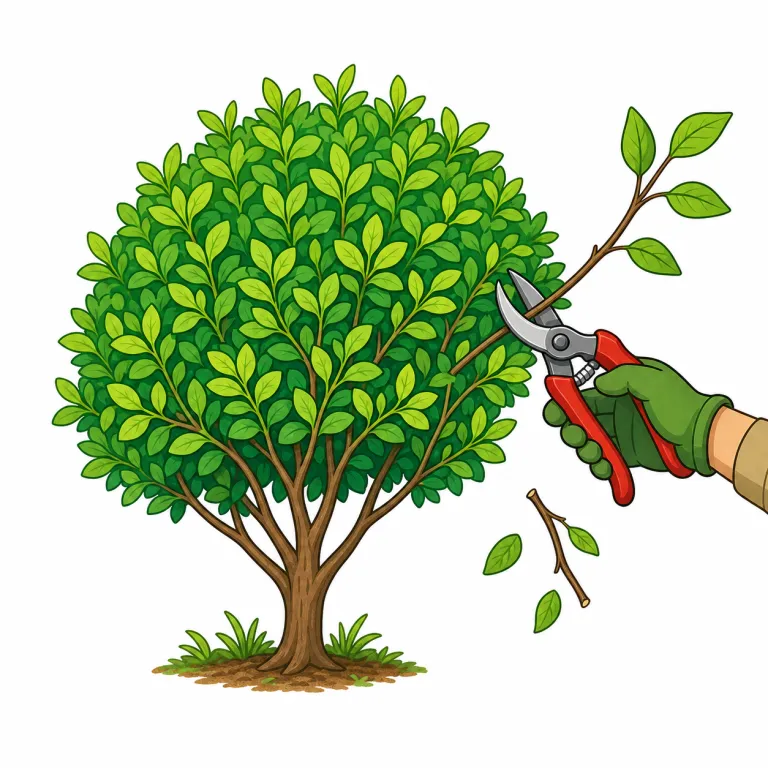
解説 Definition
庭木や生け垣、枝などの不要な部分を切って、形を整えたり生育をよくしたりすることを表す。園芸や果樹栽培でよく使われる語で、見た目を整えるだけでなく、風通しや実つきを改善する文脈でも使われる。
This verb means to remove selected branches or other unwanted growth from a tree, bush, or hedge. The purpose is usually to improve its shape, health, airflow, or growth rather than to cut the whole plant down.
覚え方のコツ Memory Tip
動詞 prune は、木の枝を「プルーンと切って整える」と音で結びつけると覚えやすいです。名詞の prune は果物のプルーンですが、庭木やバラ、生け垣が目的語なら「不要な枝を切る」動作に切り替えます。prune the roses, prune a tree のように使い、ただ切り倒すのではなく、形や生育をよくするために余分な部分を選んで落とす感覚です。食べ物の prune と、園芸の prune を文脈で分けると混乱しません。
When a tree, rose, or hedge is the object, picture someone carefully cutting away only the unnecessary parts. This selective cutting distinguishes the gardening verb from the noun for the dried fruit.
例文
We need to prune the rose bushes before spring.
春が来る前にバラの茂みを剪定する必要がある。
She carefully pruned the tree to let in more sunlight.
彼女は日光がもっと入るように木を注意深く刈り込んだ。
The gardener prunes the hedge every month.
その庭師は毎月生け垣を剪定する。
削減する
(意味 3)
解説 Definition
数量・予算・計画などを、不要な部分を切り捨てて小さくすることを表す。もともとの剪定の意味から広がった比喩的な用法で、ビジネスや行政では費用、人員、候補一覧などを絞り込む場面でよく使われる。
This verb means to reduce a budget, list, plan, or similar thing by removing unnecessary parts. It suggests selective cuts that leave a smaller, more manageable remainder.
覚え方のコツ Memory Tip
prune は「枝を剪定する」動作から、予算やリストを「余分な枝を落とすように削る」と考えると覚えやすいです。名詞の prune は果物のプルーンですが、budget, staff, list, plan などが目的語なら食べ物ではなく比喩の動詞。全部を壊すのではなく、不要な部分を選んで小さくし、扱いやすくする感覚です。cut が広く「切る・削る」なら、prune は“残すものを育てるために削る”ニュアンスで切り分けると残りやすいです。
Picture unnecessary items being cut away like unwanted branches from a tree. With objects such as “budget,” “staff,” “list,” or “plan,” the word refers to carefully reducing something rather than destroying it completely.
例文
The company pruned its budget after sales fell.
売上が落ちた後、その会社は予算を削減した。
We need to prune the list of applicants to ten finalists.
応募者の一覧を最終候補10人まで絞り込む必要がある。
The editor pruned unnecessary paragraphs from the report.
編集者は報告書から不要な段落を削った。
prune の類義語・関連語
prune の語源・成り立ち Etymology
「prune」は古フランス語 prune を経てラテン語 prunum「スモモ」にさかのぼります。plum も同根で、もともと果実名だった語が、とくに乾燥させた実を指すようになったと分かると意味の絞られ方が見えてきます。
Prune came into English through Old French prune, from Latin prunum, meaning "plum." It originally referred to the fruit itself. Over time, in English, the meaning narrowed and came to refer especially to a dried plum. Plum is a related English word from the same root.
同じレベルの語彙をもっと
外部辞書で調べる
この英単語をクイズで覚えよう