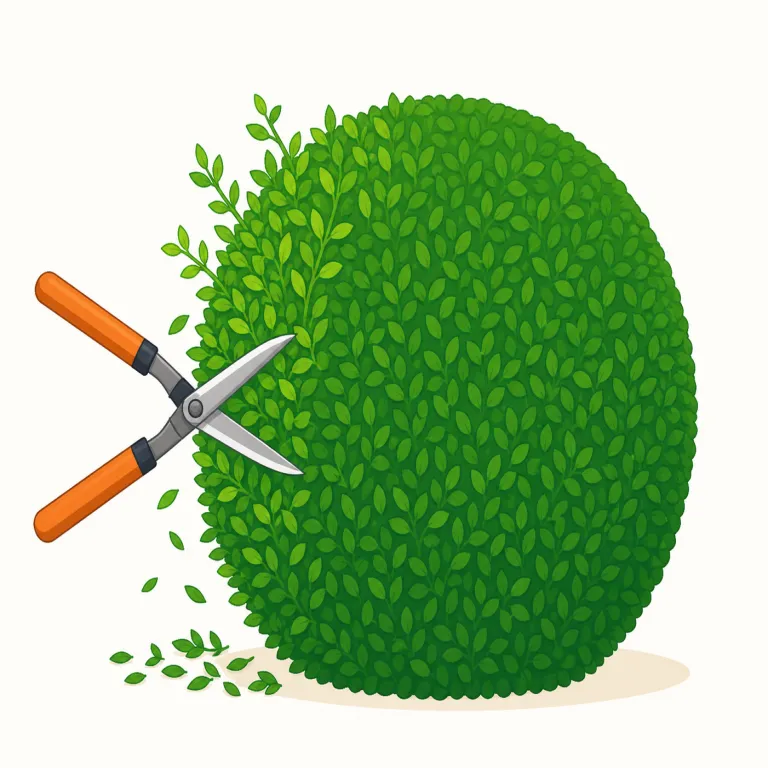
trim
trim は英検準1級レベルの英単語で、「刈り込む、整える、削減する」という意味があります。発音記号は /trɪm/ です。
意味一覧 (3件)
刈り込む
解説 Definition
何かの形や状態を整えたり、短くしたり、清潔にすること。不要な部分を削除して整理する。
To trim means to cut a small amount from something to make it neater, smaller, or more even. It is often used for hair, plants, paper, or extra fat on food. The word suggests a careful, limited cut, not a large one.
覚え方のコツ Memory Tip
trim は「ただ cut する」のではなく、「余分を少し切って見た目や形を整える」と覚えると残りやすいです。hair を trim すれば丸刈りではなく毛先を整える感じで、tree や hedge を trim でも同じ発想。さらに trim the budget のように「削ってすっきりさせる」に広がります。cut より軽く、make neat に近い語。短くすること自体より、整って引き締まるイメージを軸にすると定着します。
`Trim` is softer than `cut`. It often means cutting a little to make something neat, like hair, trees, or a hedge. The same idea works in phrases like `trim the budget`: remove the extra part and make it cleaner.
例文
The barber will trim your hair and make it look neat.
その理髪師があなたの髪をきれいに整えてくれます。
She trims the hedges in her garden every spring.
彼女は毎春庭の生け垣を剪定します。
The gardener decided to trim the bushes to keep the yard neat.
庭師は庭をきれいに保つために低木を刈り込むことにしました。
整える
(意味 2)
解説 Definition
髪・ひげ・爪・布の端などを少し切って、形や長さをきれいにそろえる意味。大きく切り落とすというより、余分な部分だけを整えて見た目や仕上がりをきちんとさせる場面でよく使う。美容や裁縫などの日常的な手入れで頻出。
To cut off small, unwanted parts so that something has a neat shape or an even length. It is commonly used for tidying hair, beards, nails, or the edges of fabric.
例文
She trimmed her bangs before the interview.
彼女は面接の前に前髪を整えた。
Please trim the loose threads on the sleeve.
袖のほつれた糸を切りそろえてください。
He trims his beard every weekend.
彼は毎週末ひげを整えている。
削減する
(意味 3)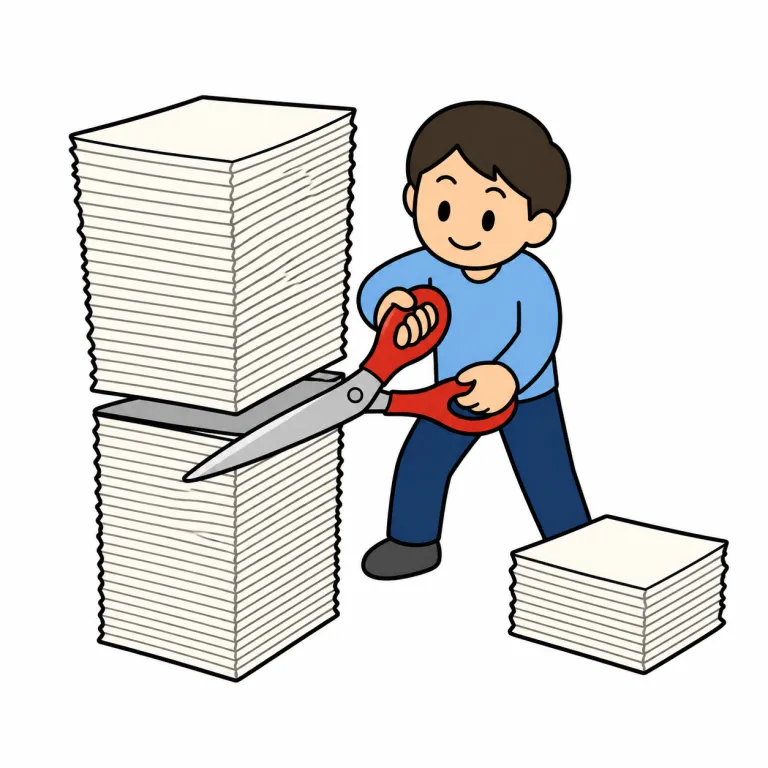
解説 Definition
予算・費用・人数・文章の長さなどを今より少なくする意味。無駄な部分を省いて量や額を抑えるニュアンスが強く、ビジネスや行政の文脈でよく使われる。数字や計画の見直しで頻出。
To reduce an amount, cost, number, or length by removing unnecessary parts. It is often used when revising budgets, staffing plans, or written material to eliminate excess.
例文
The company trimmed its marketing budget by 10 percent.
その会社はマーケティング予算を10パーセント削減した。
We need to trim unnecessary details from the report.
私たちは報告書から不要な細部を削る必要がある。
The city trimmed costs to save money.
その市は節約のために費用を削減した。
trim の類義語・関連語
紛らわしい語
trim の語源・成り立ち Etymology
trim は古英語 trymman「整える・強くする」にさかのぼり、語の奥には「しっかりした状態にする」という感覚があります。そこから枝や髪を切って形を整える意味になり、関連語として trimly や trimness が見られます。
Trim goes back to Old English trymman, meaning "to arrange," "make firm," or "strengthen." At its root is the idea of putting something into a neat, proper, or steady condition. From that, it developed the sense of cutting or shaping something to make it tidy. Related forms include trimly and trimness.
同じレベルの語彙をもっと
英検準1級の一覧へ →外部辞書で調べる
この英単語をクイズで覚えよう