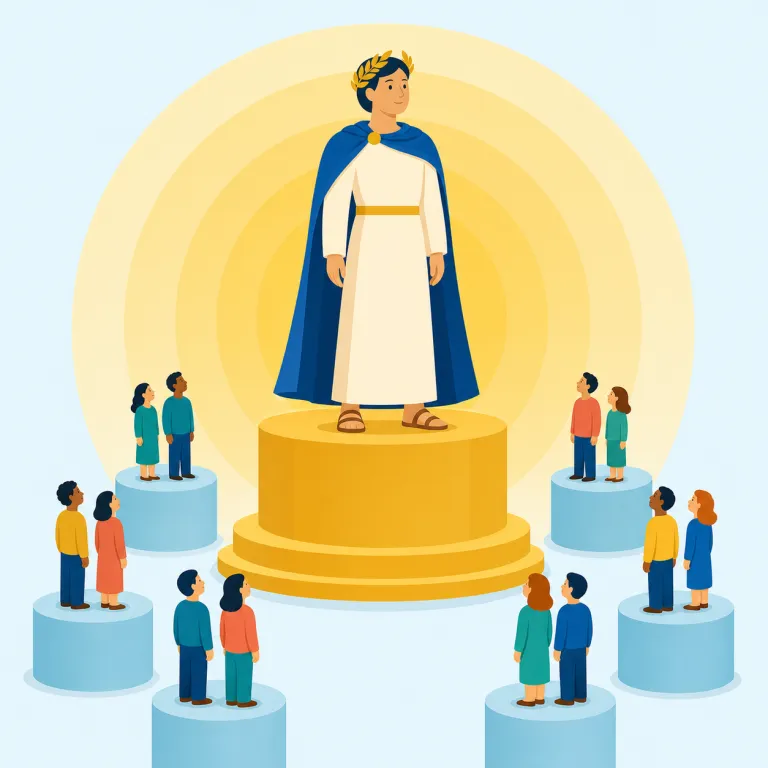
覇権者
解説 Definition
支配的な力または指導者。支配権を持つ国や人物。
A hegemon is a country, group, or power that is stronger and more influential than others in a region or system. It is often used in politics, history, and international relations. The word suggests leadership based on dominance rather than simple cooperation.
覚え方のコツ Memory Tip
hegemony(覇権)を知っていれば、hegemon はその「覇権を握っている側」だと整理すると覚えやすいです。-y が外れて「人・国そのもの」になった形だと見ると定着します。単なる strong country ではなく、周囲にルールや秩序を押し出せる中心勢力というニュアンス。regional hegemon, global hegemon の形で「地域の覇権国・世界の覇権国」と場面ごと覚えると、leader より支配性が強い語感も区別しやすくなります。
If you know `hegemony`, `hegemon` is the power that has it. Think of `-y` disappearing and the word becoming the country or force itself. Learn it with `regional hegemon` or `global hegemon`, which sound stronger and more controlling than just `leader`.
例文
Athens was the hegemon of ancient Greek city-states.
アテナイは古代ギリシャの都市国家の支配者であった。
The regional hegemon imposed its political ideology on neighbors.
地域の覇権者は近隣諸国に政治的イデオロギーを押し付けた。
Cultural hegemons shape the values of their societies.
文化的覇権を握る勢力は、その社会の価値観を形作る。
hegemon の類義語・関連語
派生語
hegemon の語源・成り立ち Etymology
hegemonはギリシャ語hegemon「導く者・支配者」に由来し、動詞hegeisthai「先頭に立つ」が背景にある。単なる強者ではなく「進む方向を決める者」というのが芯で、hegemonyやhegemonicにも同じ「主導」の感覚が残る。
Hegemon comes from Greek hegemon, meaning "leader" or "ruler," from a verb meaning "to lead" or "go before." The word originally suggested someone who guides the direction of others, not just someone strong. That sense of leadership remained as the word developed. Related words include hegemony and hegemonic.
同じレベルの語彙をもっと
外部辞書で調べる
この英単語をクイズで覚えよう