縫製機、綴じ機
noun 名詞布や紙などを縫い合わせたり、留めたりする機械を指します。衣料製造用の機械だけでなく、印刷・製本で折り丁を糸や針金で綴じる装置にも使われ、人を指す既存語義と区別されます。
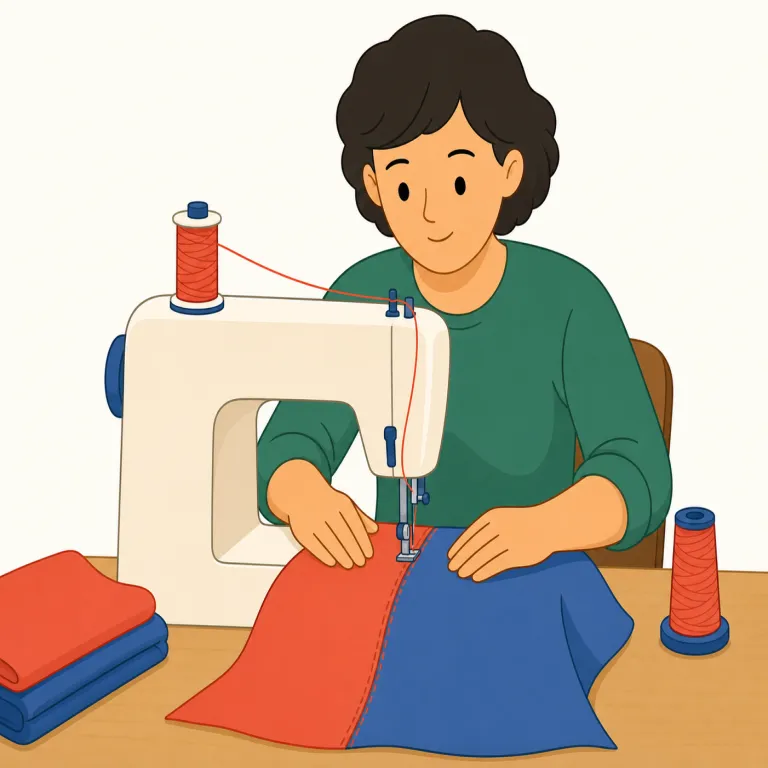
stitcher はTOEIC 860・TOEFL 80・IELTS 6.5レベルの英単語で、「縫製職人」という意味があります。発音記号は /ˈstɪtʃər/ です。
衣服や繊維製品を製造する際に、布地を縫い合わせる職人のこと。工場や工房で針と糸を使って生地を接合・補修するなど、縫製に関わる人を指します。
A stitcher is a person or machine that stitches pieces of material together. It is used in sewing, clothing, bookbinding, and similar kinds of work.
土台は stitch = 「ひと針縫う」「縫い目」。stitch two pieces together なら布を縫い合わせる場面がそのまま浮かびます。そこに -er が付くので、teacher, painter と同じく「その動作をする人」= stitcher。tailor が服全体を仕立てる人なのに対し、stitcher は縫い合わせる作業そのものの担当を意識すると区別しやすいです。stitching, repair, seams など針仕事の語群と一緒に覚えると定着します。
The key word is `stitch`, meaning one sewing move or a sewn line. Add `-er`, and you get the person who does that action: a `stitcher`. It helps to connect it with sewing words like `seam`, `repair`, and `stitching`.
The stitcher carefully joined the pieces of fabric together.
その縫製職人は布片を丁寧に縫い合わせました。
A skilled stitcher creates even, durable seams.
熟練した縫製職人は、均等で丈夫な縫い目を作ります。
The garment factory employed many stitchers.
その衣料工場は多くの縫製職人を雇っていました。
文脈によって、次の意味でも使われます。
布や紙などを縫い合わせたり、留めたりする機械を指します。衣料製造用の機械だけでなく、印刷・製本で折り丁を糸や針金で綴じる装置にも使われ、人を指す既存語義と区別されます。
stitch は古英語 stice「ひと突き・刺し傷」にさかのぼり、針で刺す感覚から「縫う」へ育った語で、-er は「する人」。stick や sting も同根で、布を小さく刺してつなぐ動きが、そのまま stitcher「縫う人」の核にある。
Stitcher comes from stitch + -er. Stitch goes back to Old English stice, meaning "a stab" or "a prick," so the word first had the idea of piercing with a point. From that sense, it developed into sewing with a needle, and related words like stick and sting show the same root.
この英単語をクイズで覚えよう