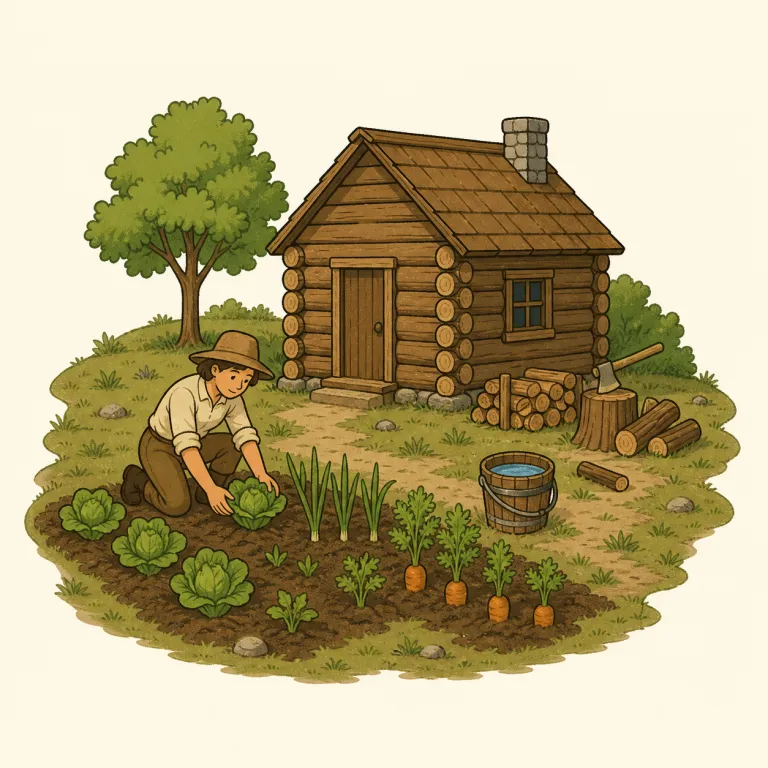
未開拓地での開拓生活
解説 Definition
未開拓の土地に入植して自給自足の生活を営むこと。開拓農場での暮らし。
Homesteading is the lifestyle or practice of living on land and producing much of your own food and basic needs. It can also refer to the historical act of settling undeveloped land and building a home there.
覚え方のコツ Memory Tip
まず homestead をひとかたまりで覚えるのが近道です。home が入っているので「家を構える土地・農場」という芯がつかめます。そこに -ing が付いた homesteading は、場所そのものではなく「そこで暮らしを築いていく営み・生活様式」。単なる farming より、土地に根を下ろし、自給自足気味に暮らす開拓の場面が強い語です。homestead は名詞、homesteading は活動名という区別もセットで覚えると混同しにくいです。
Start with `homestead`: it has `home`, so think of a home built on land. Then add `-ing`: `homesteading` is not the place, but the activity and way of life there. It is broader than simple farming, with the image of settling land and living more self-sufficiently.
例文
The couple left the city and took up homesteading on a remote plot of land.
その夫婦は都会を離れ、人里離れた土地で自給自足の生活を始めた。
Homesteading in the nineteenth century required tremendous resilience and self-sufficiency.
19世紀の開拓生活には、並外れた忍耐力と自給自足する力が必要だった。
Modern homesteading often involves growing food, raising animals, and living sustainably.
現代の自給自足生活では、作物を育て、動物を飼い、環境に配慮して暮らすことが多い。
homesteading の類義語・関連語
homesteading の語源・成り立ち Etymology
homesteading は homestead + -ing、さらに home「家」+ stead「場所」へ分けられる。どちらも古英語にさかのぼり、homely や instead も同系なので、“自分の居場所を据えて暮らしを築くこと”が開拓の意味へ育ったと見える。
Homesteading comes from homestead + -ing. Homestead is an old English compound of home and stead, where stead meant "place" in Old English, as in instead. The idea was first a place where a person or family is settled, and later it grew into the sense of building a life on one’s own land.
同じレベルの語彙をもっと
外部辞書で調べる
この英単語をクイズで覚えよう