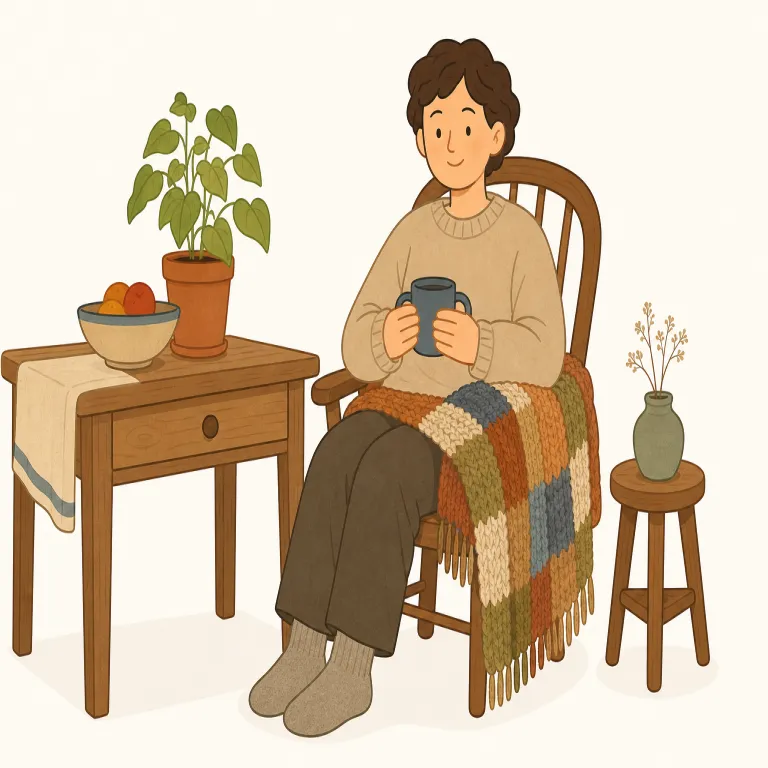
(主に英国で)家庭的で居心地のよい
解説 Definition
主に英国英語で、場所・雰囲気・食事などが家庭を思わせ、気取りがなく居心地のよいことを表す形容詞です。温かみのある肯定的な意味で使われます。
Chiefly in British English, homely describes a place, atmosphere, or food as simple, warm, comfortable, and pleasantly reminiscent of home.
覚え方のコツ Memory Tip
home(家庭)に -ly が付いた形と捉え、英国英語では「家庭にいるような、気取りがなく居心地のよい」と結び付けます。homely atmosphere や homely food のように、温かな雰囲気や素朴な家庭料理を表します。米国英語では人について「容姿が地味な」という意味にもなるため、地域と文脈に注意します。
Notice home inside homely and picture a simple place where you can relax as if you were at home. In this chiefly British sense, the word has a warm, positive meaning.
例文
The small hotel had a homely atmosphere that put us at ease.
その小さなホテルには家庭的で居心地のよい雰囲気があり、私たちはくつろげた。
They served simple, homely food beside the fire.
彼らは暖炉のそばで素朴な家庭料理を出してくれた。
Despite its plain furniture, the cottage felt warm and homely.
簡素な家具だったが、そのコテージは温かく家庭的で居心地がよかった。
(主に北米で、人が)不器量な
(意味 2)
解説 Definition
主に北米英語で、人の容姿が魅力的でないことを表す形容詞です。否定的で相手を傷つける可能性があるため、人物に直接使う際には注意が必要です。
Chiefly in North American English, homely describes a person whose appearance is considered unattractive. It is a negative description and can be hurtful when applied directly to someone.
覚え方のコツ Memory Tip
主に北米英語で、人の顔立ちが魅力的でない「不器量な」という否定的な形容詞です。a homely man のように人物を修飾します。home に似ていても、この語義は「家庭的な」ではありません。直接相手に使うと傷つけやすいため、小説中の描写や他者の評価で見かける語として覚えましょう。
Connect homely with the idea of a plain, unadorned appearance. In this chiefly North American sense, it describes a person as unattractive, so remember both the regional label and its potentially hurtful tone.
例文
Some reviewers unfairly described the actress as homely.
一部の批評家はその女優を不器量だと不当に評した。
The novel portrays him as a homely man with a gentle expression.
その小説では、彼は優しい表情をした不器量な男性として描かれている。
She resented being labeled homely because of her appearance.
彼女は外見を理由に不器量だと決めつけられることに憤った。
homely の類義語・関連語
homely の語源・成り立ち Etymology
homely は home と形容詞を作る -ly から成り、もともと「家のような」「家庭にふさわしい」という意味を表しました。この語源から、気取らず家庭的で居心地がよいという用法を理解できます。
Homely is formed from home and the adjective-forming suffix -ly. Its home-related origin accounts for this sense of being simple, familiar, and comfortably domestic.
同じレベルの語彙をもっと
外部辞書で調べる
この英単語をクイズで覚えよう