せむし
解説 Definition
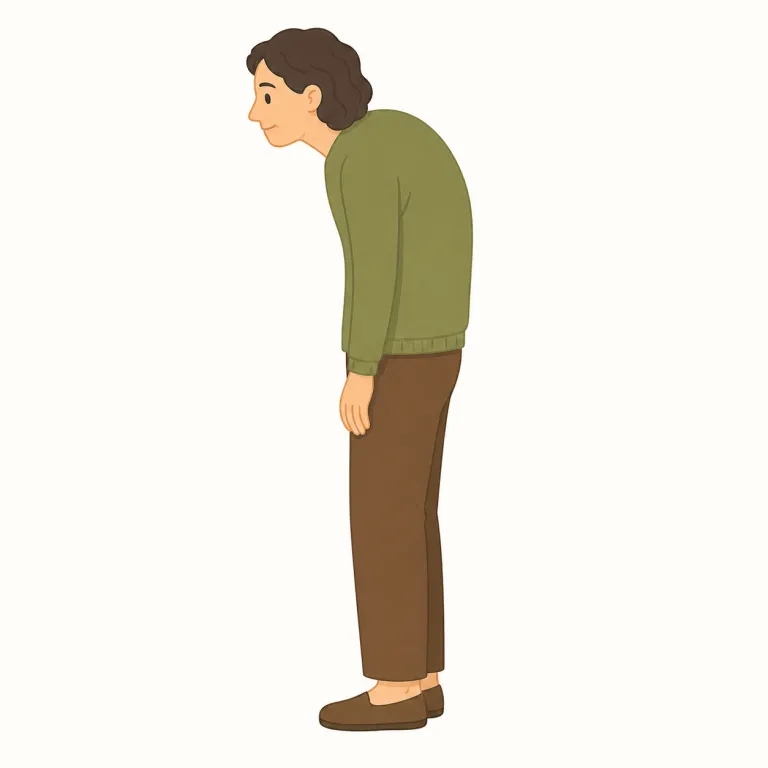
脊椎の異常や傷により、背中が著しく湾曲した人を指します。背が丸まっている身体的特徴を持つ人です。
Hunchback is an old word for a person whose upper back is curved forward in a noticeable way, often with a hump-like shape. It refers to a physical condition affecting the back. The word is now often considered outdated or impolite, so more neutral terms are usually preferred.
覚え方のコツ Memory Tip
まず back が見えれば「背中」に関係する語。さらに hunch は hunch over(身をかがめる)で覚えると、上体を前に折って背が丸くなる動きが浮かぶ。hunchback はそこから“丸まって盛り上がった背中をもつ人”という一枚絵で定着させるとよい。似た語の humpback は whale や camel など動物の「こぶ背」によく使われ、人には hunchback が基本。なお人を直接こう呼ぶと古くきつく響くことがあるので、語義理解用として覚えるとよい。
Notice `back`, so the word clearly connects to the back. Then remember `hunch over`, which describes bending forward with rounded shoulders. Put them together, and `hunchback` becomes easy to picture as a person with a bent, rounded back.
例文
The word hunchback was once used for a person with a severely curved back.
hunchbackという語は、かつて背中が大きく曲がった人を指すのに使われていました。
The title The Hunchback of Notre-Dame uses a term now considered offensive.
『ノートルダムのせむし男』という題名には、現在では侮蔑的とされる言葉が使われています。
Today, calling a person a hunchback is considered disrespectful.
今日では、人をせむしと呼ぶことは失礼だと考えられています。
hunchback の類義語・関連語
類義語
hunchback の語源・成り立ち Etymology
hunchback は英語の複合語で、hunch「背を丸める・こぶ」+ back「背中」から成ります。語源的には「こぶのように盛り上がった背中の人」という像がそのまま語になっており、意味が非常に見えやすい語です。関連語は hunched, humpback。
Hunchback is a clear English compound of hunch and back. Hunch refers to a bent shape or hump, and back names the body part. The word originally meant someone with a back that rose in a hump-like shape, and related words include hunched and humpback.
同じレベルの語彙をもっと
外部辞書で調べる
この英単語をクイズで覚えよう