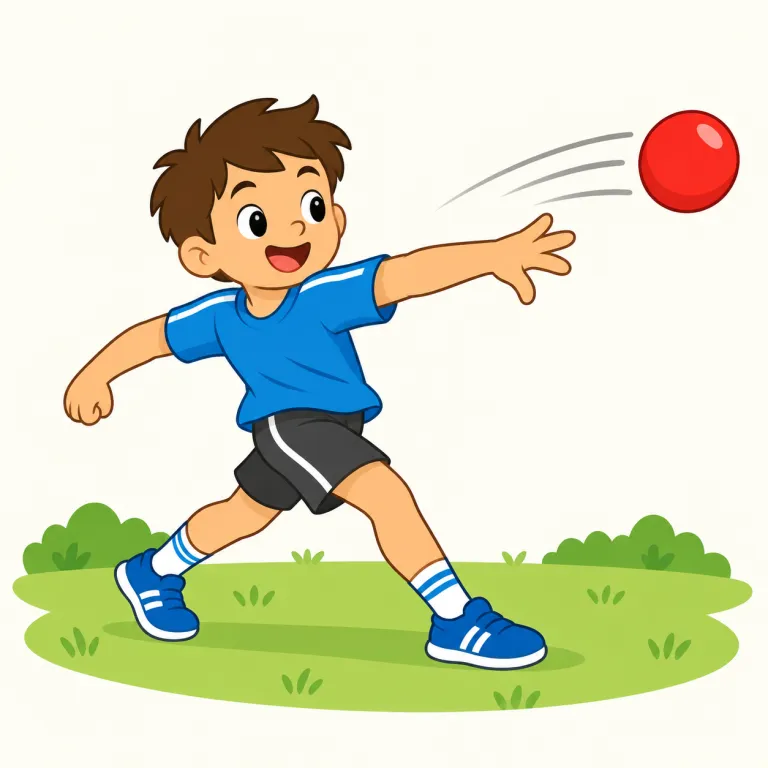
投げる
解説 Definition
hurling は hurl(強く投げる、投げつける)の現在分詞・動名詞です。ボールや石などを勢いよく投げる動作を表し、日常の軽い「投げる」より力強い響きがあります。
Hurling is the present participle or gerund of hurl. It describes throwing an object with considerable force, speed, or violence, often across a distance or toward a particular target.
覚え方のコツ Memory Tip
hurling は hurl「強く投げつける」に -ing を付けた現在分詞・動名詞で、語末の l はそのままです。発音は hurl /hɜːrl/ に /ɪŋ/ を続けます。throwing より勢い・力・乱暴さが強く、hurling a ball across the field、hurling stones into the river のように、物と方向を一緒に覚えると実用的です。
Hurling is formed by adding -ing to hurl, with no spelling change to the base word. Pronounce hurl first and then add the /ɪŋ/ sound. Unlike neutral throwing, hurling suggests considerable force, speed, or sometimes anger. Learn it with an object and a direction: “hurling a ball across the field,” “hurling snowballs at a wall,” or “hurling stones into the river.” The form can describe an action in progress after be, or the activity itself after a preposition, as in “while hurling stones.”
例文
The athlete was hurling the ball across the field.
その選手はフィールドの向こうへボールを力強く投げていました。
Children were hurling snowballs at the old wall.
子どもたちは古い壁に向かって雪玉を投げつけていました。
He hurt his shoulder while hurling stones into the river.
彼は川に石を投げ込んでいるときに肩を痛めました。
hurling の類義語・関連語
類義語
対義語
紛らわしい語
hurling の語源・成り立ち Etymology
中英語 hurlen(激しく打つ、投げつける)に由来し、北欧語の影響を受けたとされる。語根は「衝突・激突」の意を持ち、hurricane(ハリケーン)とは無関係だが、hurl自体に「勢いよく放つ」感覚がある。関連語: hurl(投擲)、hurler(投手)。力を込めて放り投げる動作そのものを表す語。
Hurling is the -ing form of hurl. Hurl comes from Middle English hurlen, used for forceful movement, striking, or throwing. Its deeper origin is uncertain, although Scandinavian influence has been proposed. The modern form adds the productive English suffix -ing to express an ongoing action or an activity. It is unrelated to hurricane despite a superficial similarity in sound.
同じレベルの語彙をもっと
外部辞書で調べる
この英単語をクイズで覚えよう