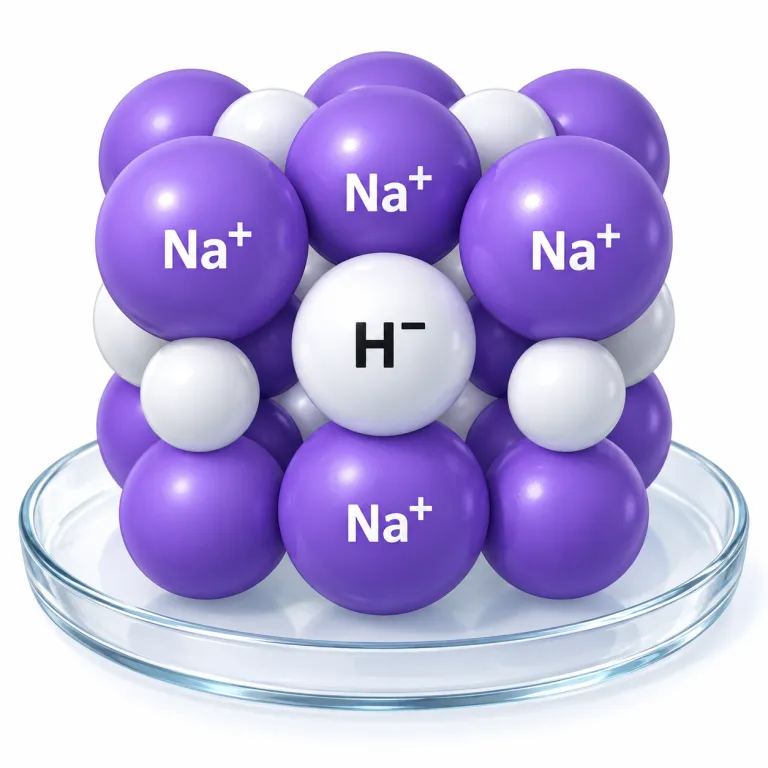
水素化物
解説 Definition
水素と他の元素または化合物が結合してできた化学化合物です。多くの有機化学反応や無機化学反応で重要な役割を果たします。
A hydride is a chemical compound formed when hydrogen combines with another element. The term is used in chemistry, especially when describing reactions, materials, or bonding. It is a technical word rather than one used in everyday conversation.
覚え方のコツ Memory Tip
hydrogen を見たときの hydr- を見抜ければ入りやすい語です。化学では oxide, chloride, sulfide のように -ide が付くと『〜化物』になりやすいので、hydride もその並びで『水素を成分にもつ化合物』と押さえると覚えやすいです。metal hydride, sodium hydride の形で出やすく、還元剤の文脈でも見かけます。hydroxide(水酸化物)とはつづりも意味も別だとセットで区別すると定着します。
Look for hydr-, the same beginning you see in hydrogen. Then remember the chemistry ending -ide, which often names a compound, like oxide or chloride. That makes hydride easier to store as one member of that chemistry word family.
例文
Sodium hydride is a strong reducing agent used in chemistry.
水素化ナトリウムは化学で使用される強い還元剤である。
The hydride ion is essential in many organic chemistry reactions.
ハイドリドイオンは多くの有機化学反応に不可欠である。
Scientists studied the properties of calcium hydride in the laboratory.
科学者たちは実験室で水素化カルシウムの性質を研究した。
hydride の類義語・関連語
hydride の語源・成り立ち Etymology
hydride は近代科学語で、ギリシャ語 hydor「水」に由来する hydr-/hydro- と、化合物名の接尾辞 -ide から成ります。hydrogen が「水を生むもの」なので、hydride は「水素を成分としてもつ化合物」という名になり、意味が形から読めます。関連語は hydrogen, hydrolysis。
Hydride is a modern scientific word built from hydr-, from Greek hydor meaning "water," and the chemical suffix -ide. The same root appears in hydrogen, a name meaning "water-former." From that naming system, hydride came to mean a compound containing hydrogen as one of its elements. Related words include hydrogen and hydrolysis.
同じレベルの語彙をもっと
外部辞書で調べる
この英単語をクイズで覚えよう