低血圧
解説 Definition
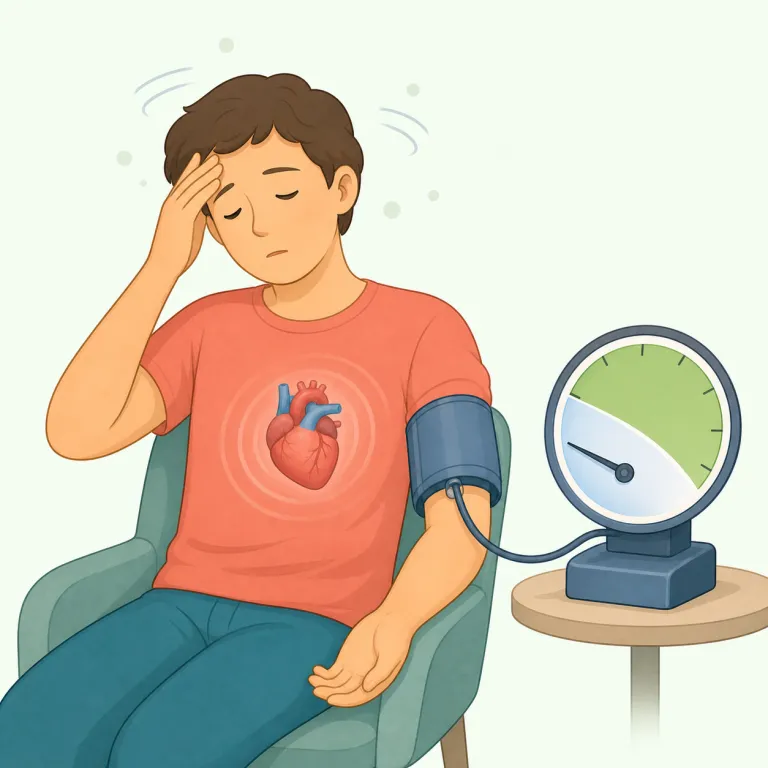
血圧が正常より低い状態を指す医学用語です。脳や心臓への血液供給が不足し、めまいや疲労などの症状を引き起こすことがあります。
Hypotension is a medical condition in which a person's blood pressure is lower than normal. It can cause symptoms such as dizziness, weakness, or fainting. This word is mainly used in healthcare and medical writing.
覚え方のコツ Memory Tip
hypo- は英単語で「低い・不足」の方向を表す型として覚えると強いです。hypothermia(低体温), hypoglycemia(低血糖)と同じ並びで、反対は hyper-(高い・過剰)。後半の tension は「張り・圧」の感覚があり、tension が十分にない状態だと考えると hypotension=低血圧が取りやすくなります。医療語では hypertension(高血圧)とセットで覚えるのが最重要。見た瞬間に『hypo は下、hyper は上』と対比できれば混同しにくく、血圧の異常を表す語だと定着します。
Remember the pair `hypo-` and `hyper-`: `hypo-` means low or under, while `hyper-` means high or over. So `hypotension` is the opposite of `hypertension`. The `tension` part can remind you of pressure, so think: pressure that is too low.
例文
The patient experienced hypotension after the surgery and needed rest.
患者は手術後に低血圧になり、休息が必要だった。
Hypotension can cause dizziness and fainting if left untreated.
低血圧を放置すると、めまいや失神を引き起こすことがある。
The doctor monitored his blood pressure closely for signs of hypotension during recovery.
医師は回復中、低血圧の兆候がないか彼の血圧を注意深く観察した。
hypotension の類義語・関連語
対義語
派生語
hypotension の語源・成り立ち Etymology
hypotension は近代医学ラテン系の複合語で、hypo- はギリシャ語で「下・不足」、tension はラテン語 tendere「張る」に由来します。つまり「圧が十分に張っていない状態」という組み立てで、そこから低血圧の意味になります。関連語は hypertension, tension です。
Hypotension comes from hypo-, a Greek prefix meaning "under" or "too little," and tension, from Latin tendere, "to stretch." The original image is of pressure or force not being high enough. In medical Latin and then English, it developed into the term for abnormally low blood pressure. It is closely related to hypertension and tension.
同じレベルの語彙をもっと
外部辞書で調べる
この英単語をクイズで覚えよう