
意味一覧 (2件)
理想主義
解説 Definition
現実のむずかしさよりも、よい理想や高い目標を大切にし、それに近づこうとする考え方を表します。社会や人の行動は、もっとよくできるはずだと信じる気持ちが中心にあります。
Idealism is the belief in high ideals and the desire to make the world or people better. It focuses on what should be possible, not only on what is practical now.
覚え方のコツ Memory Tip
idealism は ideal「理想」に、capitalism や realism と同じく考え方・主義を表す -ism が付いた語です。現実の壁を見ても「社会や人はもっとよくできる」と高い目標を優先する姿勢を思い浮かべると定着しやすいでしょう。realism「現実主義」が実現可能性や実情を重く見るのに対し、idealism は望ましい姿を出発点にする、と対比すると明確です。youthful idealism、political idealism、Her idealism led her to work for peace. のように、信念が行動を促す場面と結び付けて覚えます。
Think of ideal plus -ism. Idealism is a way of thinking that holds on to ideals.
例文
Her idealism made her believe the school could become fairer for everyone.
理想主義的な彼女は、その学校がみんなにとってもっと公平になれると信じていました。
The volunteers' idealism made them believe they could end poverty.
ボランティアたちは理想主義から、貧困をなくせると信じていました。
His idealism led him to work for a more peaceful world.
彼の理想主義は、より平和な世界のために働くことにつながりました。
観念論
(意味 2)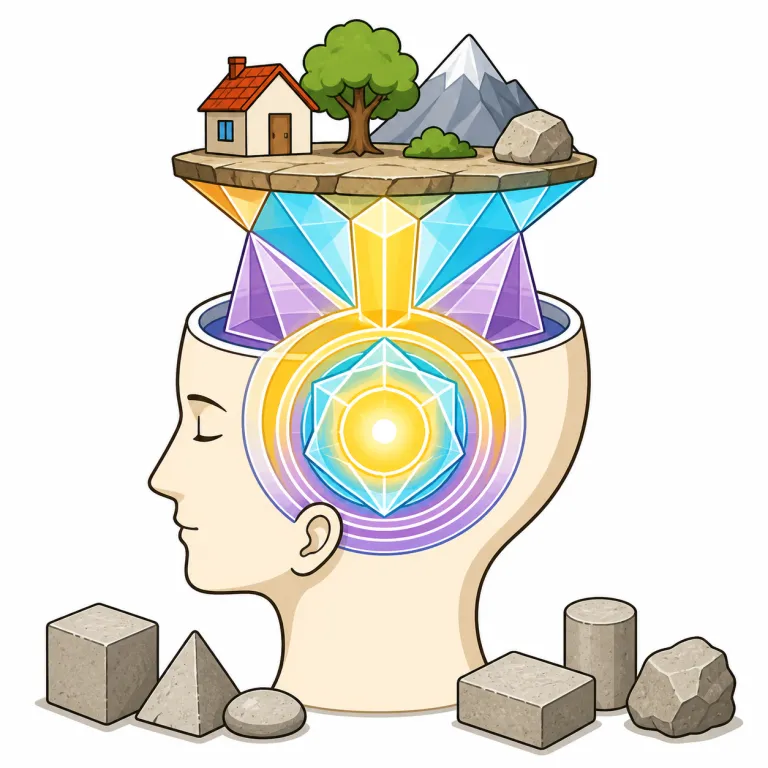
解説 Definition
観念論とは、実在する物質世界よりも、思想や観念の方が根本的だと考える哲学の立場のこと。物質ではなく意識や思想が最も本質的だという考え方です。
Idealism is the belief that ideas, thought, or the mind are more central to reality than physical matter. In a broader sense, it can also mean believing strongly in high principles and perfect standards.
覚え方のコツ Memory Tip
idealism は ideal が見えるので、「現実にある物」より「頭の中の理念・観念」を土台に置く立場だと結ぶと覚えやすいです。哲学では realism や materialism と対比されやすく、外の物質世界より idea / mind 側を根本とみる感覚が核です。ideal, idealist, idealistic を同じ束で覚えると定着しやすい一方、日常英語では「理想主義」の意味でも使うので、哲学の文脈なら「観念論」と切り分けると混乱しません。
Break it into `ideal` + `-ism`, but in philosophy, think of `ideas` and `mind`, not just high hopes. `Idealism` often appears beside words like `reality`, `mind`, and `materialism`. When you see an abstract philosophical discussion, this word usually belongs there.
例文
Plato's philosophy is often considered a form of idealism.
プラトンの哲学は、しばしば観念論の一形態とみなされます。
Idealism suggests that reality is constructed by the mind.
観念論は現実が心によって構成されることを示唆しています。
German idealism was influential in the 19th century.
ドイツ観念論は19世紀に影響力がありました。
idealism の類義語・関連語
idealism の語源・成り立ち Etymology
idealism は ideal「理想の、理想」と -ism「主義、考え方」からできた語です。ideal はラテン語の idealis にさかのぼり、「心に思いえがく形や考え」と関係があります。
Idealism is formed from ideal and the suffix -ism, meaning a belief or system of thought. Ideal comes from Latin idealis, related to an idea or form held in the mind.
同じレベルの語彙をもっと
外部辞書で調べる
この英単語をクイズで覚えよう