
帝国主義者
/ adjective 形容詞 帝国主義の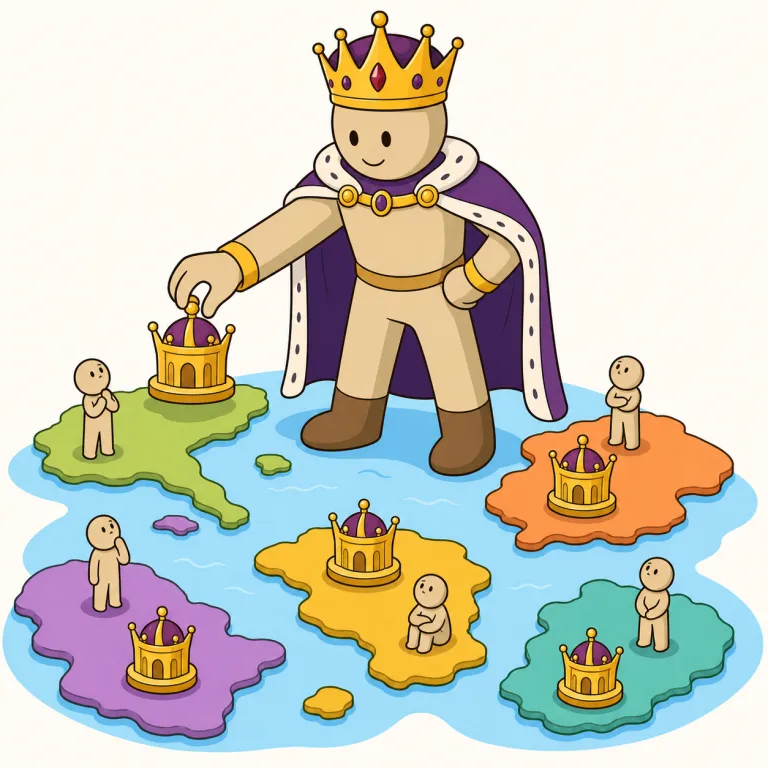
解説 Definition
帝国主義の思想を持つ人。他国を征服し支配しようとする政策を推し進める人物のことです。
An imperialist is a person who supports extending a country's power over other countries or regions. This word is often used in history, politics, and discussions of colonial rule. It can have a negative meaning because it is linked to control and domination.
覚え方のコツ Memory Tip
imperialist は imperial(帝国の)+ -ist(〜主義の人)で分けると覚えやすい語。empire(帝国)→ imperial(帝国の)→ imperialism(帝国主義)→ imperialist(帝国主義者)と語族で並べると定着しやすいです。核になるイメージは「自国の中を守る」ではなく「外へ勢力圏を広げ、他国に影響力や支配を及ぼす」。patriot のような単なる愛国者とは違い、expansion や control の発想を伴う点が重要。歴史では colonialist と近い場面もありますが、imperialist はより“大国が支配圏を拡張する側の人物”として捉えると残りやすいです。
Break it into `imperial` + `-ist`, a person connected with imperial ideas. Build the word family: `empire` -> `imperial` -> `imperialism` -> `imperialist`. This helps you remember it is about expansion and control beyond one country, not just simple patriotism.
例文
The imperialist sought to expand his country's colonial territories.
帝国主義者は自国の植民地領土を拡大しようとしていた。
Many imperialists of the 19th century believed colonization was beneficial.
19世紀の多くの帝国主義者は、植民地化が有益だと信じていた。
He was known as an imperialist who supported territorial expansion.
彼は領土拡大を支持する帝国主義者として知られていた。
imperialist の類義語・関連語
imperialist の語源・成り立ち Etymology
imperialist はラテン語 imperare「命じる・支配する」に由来する imperial に、-ist「〜する人」が付いた語です。命令権を外へ広げて他を支配しようとする人、という芯があり、emperor や imperative も同じ語根だと分かると意味が締まります。
Imperialist comes from imperial, from Latin imperare, meaning "to command" or "to rule," plus the suffix -ist for a person. The word developed from the idea of ruling power, especially power extended over other lands or peoples. English words like emperor and imperative come from the same Latin root.
同じレベルの語彙をもっと
外部辞書で調べる
この英単語をクイズで覚えよう