非弾性
解説 Definition
力を加えても元の形に戻りにくい性質。経済学では価格変動に需要が反応しにくいことを指す。
Inelastic means not able to stretch, bend, or change very much. It is often used in science and economics, such as for materials that do not expand easily or demand that stays almost the same even when prices change.
覚え方のコツ Memory Tip
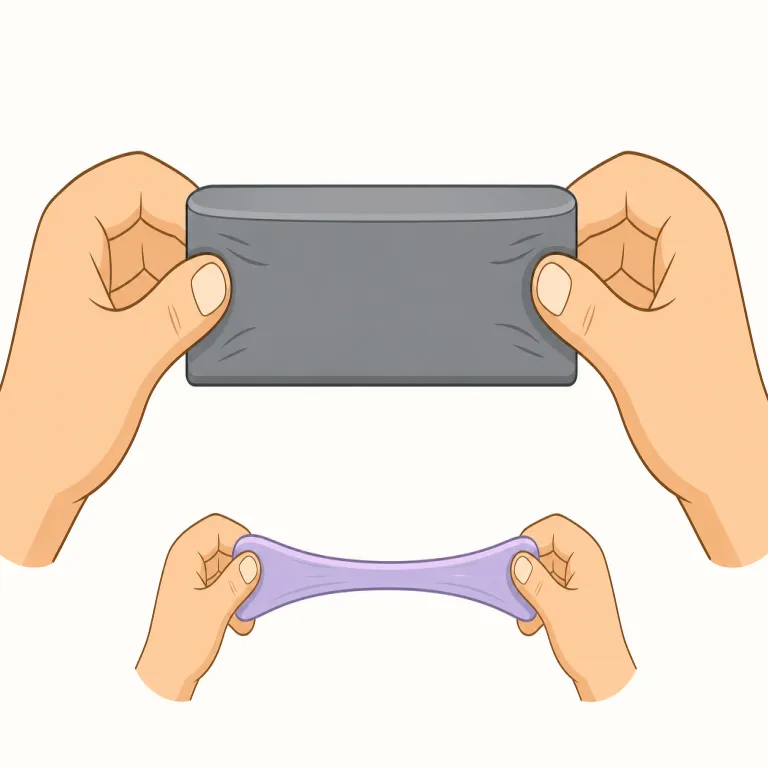
elastic を知っていれば核はつかめます。elastic は「伸びて戻る」性質で、先頭の in- が付くとその性質を打ち消して「伸びても元に戻りにくい」。まずゴムのように戻る/戻らないという対比で覚え、そこから経済の inelastic demand に広げると定着します。価格が動いても需要の反応は小さい、つまり「変化への反応が鈍い」が共通イメージ。elastic demand とセットで比べ、単なる hard や rigid ではなく「反応しにくい」という感覚で押さえると忘れにくいです。
Start with `elastic`, which means able to stretch or bounce back, then add `in-` for the opposite. The core image is weak reaction or weak return after pressure or change. That is why you see it in both `inelastic demand` in economics and `inelastic collision` in physics.
例文
Demand for essential medications tends to be highly inelastic.
必須医薬品の需要は非常に非弾力的である傾向がある。
In an inelastic collision, some kinetic energy is lost.
非弾性衝突では、運動エネルギーの一部が失われる。
The inelastic nature of the material made it unsuitable for the spring mechanism.
その素材には弾性がないため、ばねの機構には適していなかった。
inelastic の類義語・関連語
類義語
inelastic の語源・成り立ち Etymology
in-「否定」+ elastic「弾む・元に戻る」から成り、elastic はギリシャ語 elastos「しなやかな」にさかのぼります。elasticity と同根で、「戻る力がない」がそのまま「非弾性の、融通のきかない」の意味につながります。
"Inelastic" combines in- meaning "not" with elastic. "Elastic" comes through Greek elastos, meaning something flexible or able to spring back. So the basic idea is "not able to return," which later also gave the wider sense of being rigid or not adaptable.
同じレベルの語彙をもっと
外部辞書で調べる
この英単語をクイズで覚えよう