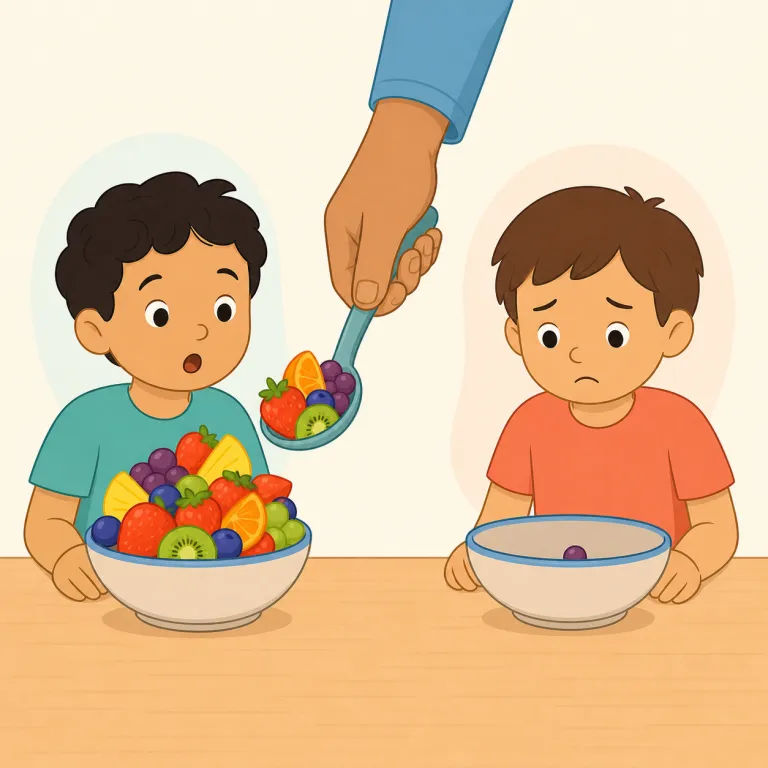
不公平な
解説 Definition
公正でない、不公平なさま。人々の間で均等に扱われていないこと。
Inequitable means unfair and not balanced in the way people are treated or things are shared. It is often used for rules, systems, or decisions that give some people an unfair disadvantage.
覚え方のコツ Memory Tip
equal「等しい」を知っていれば入りやすい語。equitable は「公平な・公正な」で、inequitable は先頭の in- が付いて「公平でない」。単に unequal「同じでない」より、不利益な偏りがあって“それはフェアじゃない”という含みが強い。inequitable treatment, pay, access など、人の扱い・給与・機会が偏る文脈でよく合う。名詞 inequity も同じ仲間なので、セットで覚えると崩れにくい。
Use `equitable` as the base word and connect it to fairness. Then `in-` makes it negative: `inequitable` means not fair in a serious, social sense. It is stronger than simply `unequal`, and often appears in phrases like `inequitable treatment`, `inequitable pay`, or `inequitable access`.
例文
The report highlighted the inequitable distribution of healthcare resources in rural areas.
その報告書は農村部における医療資源の不公平な分配を浮き彫りにした。
Many workers protested the inequitable pay gap between executives and entry-level staff.
多くの労働者が幹部と新入社員の間の不公平な給与格差に抗議した。
The inequitable tax policy placed a disproportionate burden on lower-income families.
その不公平な税制は低所得世帯に不均衡な負担をかけた。
inequitable の類義語・関連語
類義語
派生語
inequitable の語源・成り立ち Etymology
inequitable は in-「否定」+ equitable で、equitable はラテン語 aequus「平らな・等しい・公正な」に由来します。公正を「平らで釣り合った状態」と見る語なので、inequitable はその均衡が崩れた「不公平な」です。関連語は equality です。
Inequitable is formed from in- "not" and equitable. Equitable comes from Latin aequus, meaning "level," "equal," or "fair," which also gave English equality. Because fairness was pictured as a balanced, level state, inequitable came to mean not fair or not balanced.
同じレベルの語彙をもっと
外部辞書で調べる
この英単語をクイズで覚えよう