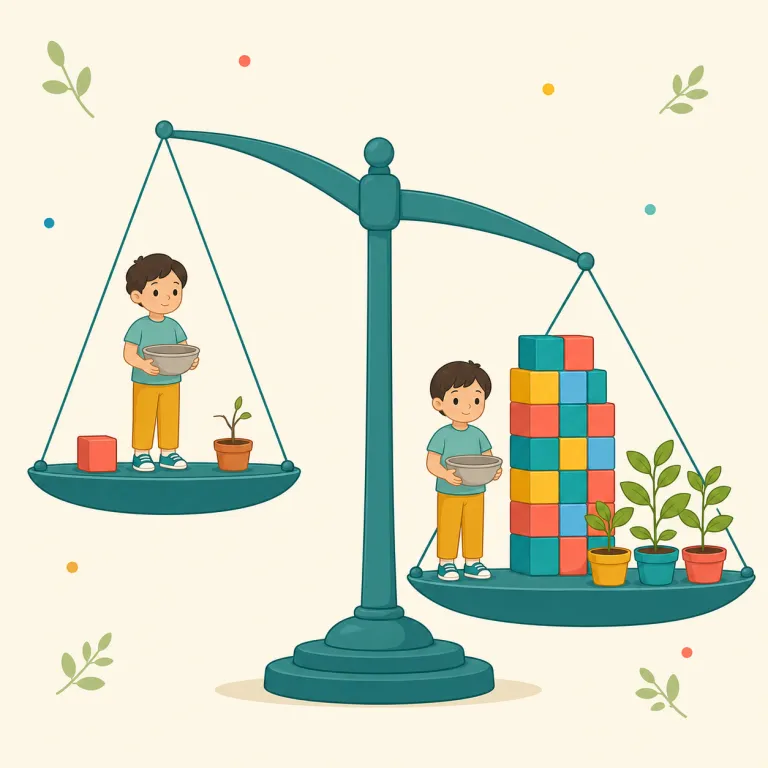
不平等
解説 Definition
異なるグループや個人間における利益や機会の不公正な分配を指します。社会的、経済的、または政治的な権力関係に基づいて生じる不公平さを表す概念です。
Inequity is an unfair situation in which people do not receive equal treatment, chances, or resources. It is often used in social, economic, legal, or educational contexts. The word usually suggests injustice, not just a simple difference.
覚え方のコツ Memory Tip
まず equity を「公平さ・公正」として押さえると、in- が付いた inequity は「公平でないこと」と自然に読めます。equal, equity, equitable が同じ仲間だと意識すると定着しやすい語です。似た inequality は「数量や状態の差」も広く言えますが、inequity はとくに「その差が不公正である」という批判的ニュアンスが強め。social inequity, racial inequity のように、制度や扱いの不公平を述べる場面で覚えると使い分けやすいです。
See `in-` as “not” and connect `equity` with fairness. So `inequity` is not just a difference, but a difference that feels unfair. It often appears in set phrases like `education inequity` or `gender inequity`, which helps fix the word in social and policy contexts.
例文
The education system faces significant inequity in resource allocation between wealthy and poor schools.
教育制度では、裕福な学校と財政的に恵まれない学校との間で、教育資源の配分に大きな不平等が生じている。
Addressing gender inequity in the workplace requires systemic changes and policy reforms.
職場におけるジェンダー不平等を是正するには、制度全体の変革と政策改革が必要である。
Economic inequity has widened dramatically over the past two decades.
経済的不公正は過去20年間で劇的に拡大している。
inequity の類義語・関連語
inequity の語源・成り立ち Etymology
inequity はラテン語 aequus「平らな・公平な」を核に、in-「否定」+ equity でできた語です。もともと公平は「天秤が水平である」感覚なので、inequity は「釣り合いが崩れた状態」から不公平を表します。同根語に equal と equity があります。
"Inequity" is built from "in-," meaning "not," and "equity." At its root is Latin "aequus," meaning "level," "even," or "fair." The idea of fairness originally came from something being balanced or level, so "inequity" developed as the sense of imbalance or unfairness. Related English words include "equal" and "equity."
同じレベルの語彙をもっと
外部辞書で調べる
この英単語をクイズで覚えよう