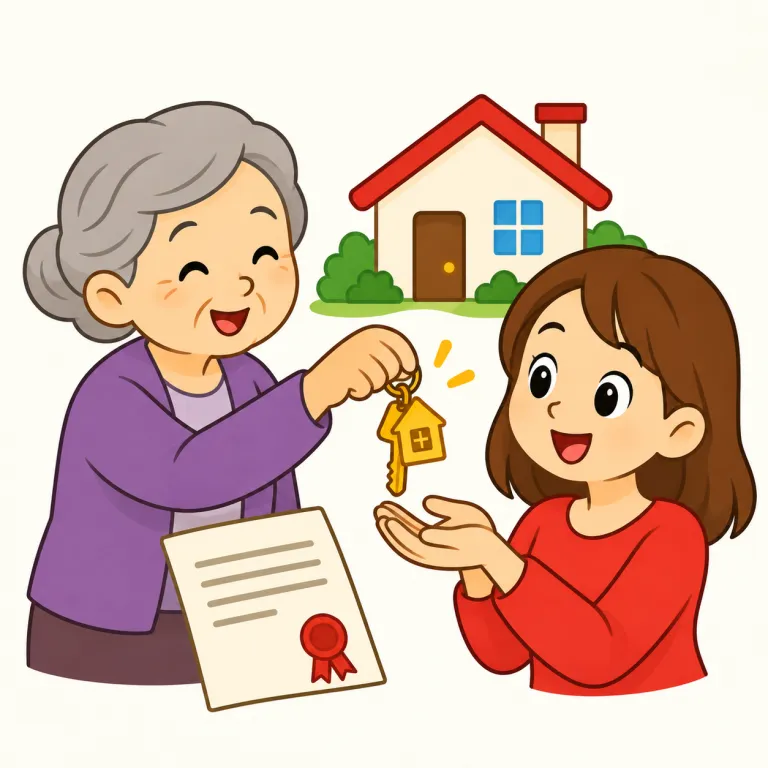
継承する
解説 Definition
inheriting は inherit(受け継ぐ、相続する)の現在分詞・動名詞です。財産を相続する場合にも、性質・伝統・権限などを受け継ぐ場合にも使われます。
Inheriting is the process or ongoing action of receiving property, money, characteristics, responsibilities, traditions, or an existing situation from a previous owner, generation, or predecessor.
覚え方のコツ Memory Tip
原形 inherit に -ing を付けた現在分詞・動名詞で、語末 e の脱落や子音重複はなく inheriting となり、発音は /ɪnˈherɪtɪŋ/。inherit a house from someone の財産相続だけでなく、a team、traditions、traits を前任者や祖先から受け継ぐ場面にも広げて覚える。
Inheriting is the -ing form of inherit. Simply add -ing, with no silent e to remove and no final consonant to double: inherit becomes inheriting. Connect it with heir, a person who receives property, but remember that the verb has wider uses. Someone may be inheriting a house from a grandparent, a manager may be inheriting an experienced team, and a community may preserve traditions by inheriting old customs. The pattern inherit something from someone is especially useful. The form can describe an action in progress or function as a gerund naming the process.
例文
She is inheriting a small house from her grandfather.
彼女は祖父から小さな家を相続することになっています。
The new manager is inheriting a team with strong experience.
新しい管理職は、経験豊富なチームを引き継ぐことになります。
By inheriting old customs, the village kept its traditions alive.
古くからの習慣を受け継ぐことで、その村は伝統を守り続けました。
inheriting の類義語・関連語
対義語
紛らわしい語
inheriting の語源・成り立ち Etymology
ラテン語の接頭辞in-(〜の中へ)と語根heres(相続人)に由来します。相続人として家系に「入り込む」のが原義で、ここから遺伝的・文化的な要素を前の世代から受け渡す意味へ発展しました。同語根にheir(相続人)やheritage(遺産)があります。
Inheriting is formed from inherit plus the participial ending -ing. Inherit came through Old French and Latin inhereditare, based on in- and hereditas, meaning “inheritance” or “heirship.” The Latin family is related to heres, “heir,” and also underlies English heritage and heredity. The original legal sense concerned receiving property as an heir, but the verb later expanded to traits, traditions, duties, systems, and situations passed from predecessors.
同じレベルの語彙をもっと
外部辞書で調べる
この英単語をクイズで覚えよう