heritage
heritage は英検2級レベルの英単語で、「遺産、家系、ルーツ、伝統」という意味があります。発音記号は /ˈhɛrɪtɪd͡ʒ/ です。
意味一覧 (3件)
遺産
解説 Definition
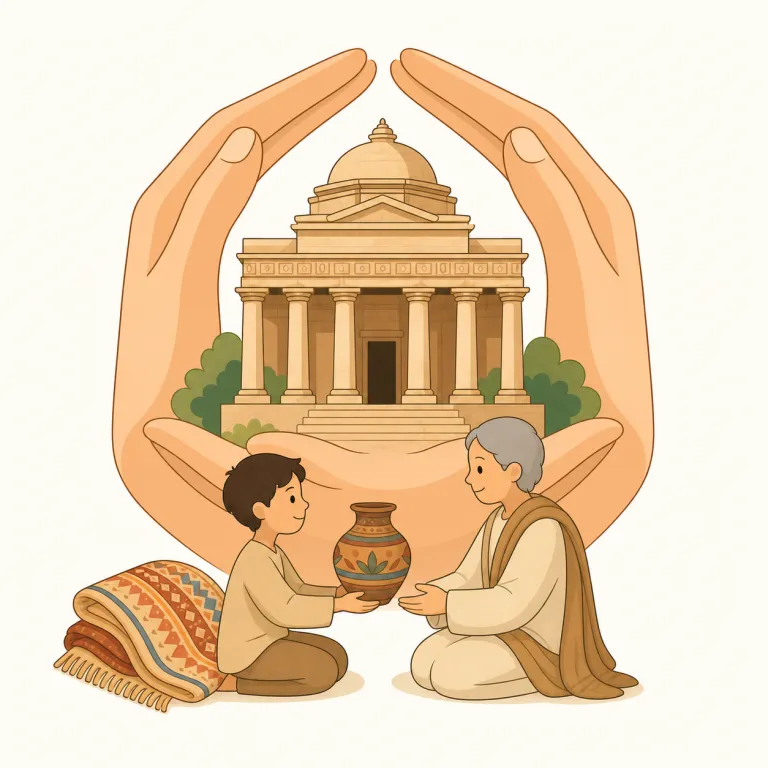
先の世代から受け継がれた文化的・歴史的な価値のあるもの。遺産とは、祖先たちが残した建物、芸術、知識などを指します。
Heritage is the culture, traditions, buildings, or values passed down from earlier generations. It can describe a person's family or national background, or important historical things shared by a community. The word often has a positive meaning connected to identity and history.
覚え方のコツ Memory Tip
inherit(受け継ぐ)や inherited(受け継がれた)を知っていると覚えやすい語です。heritage は「受け継いだ結果として今ある大切なもの」という感覚で、個人の相続財産よりも cultural heritage, national heritage, world heritage のように文化・歴史の文脈で頻出します。inheritance が金銭や財産の相続に寄りやすいのに対し、heritage は建物・伝統・言語など、共同体が守るべき遺産を指しやすい語。history や tradition よりも「受け継がれ、保存する価値がある」という含みが強いと覚えると使い分けやすいです。
Connect it to `inherit` and `inherited`: something is passed down from earlier generations. `Heritage` is often larger than personal property, and often appears in phrases like `cultural heritage` or `world heritage`. That helps separate it from `inheritance`, which is more about money or property.
例文
This old house is our heritage.
この古い家は私たちの遺産です。
We keep this heritage safe.
私たちはこの遺産を大切に守ります。
The old song is our heritage.
その古い歌は私たちの遺産です。
えいたんごクイズでの正答率
この語をはじめて出題された 53人 のうち 42人 が正解しました(79%)。
えいたんごクイズの回答から集計した独自データです。1人につき最初に出題されたときの1回だけを数えており、復習や2回目以降の回答、「わからない」と時間切れは含みません。 集計時点は 2026年9月19日 です。
家系、ルーツ
(意味 2)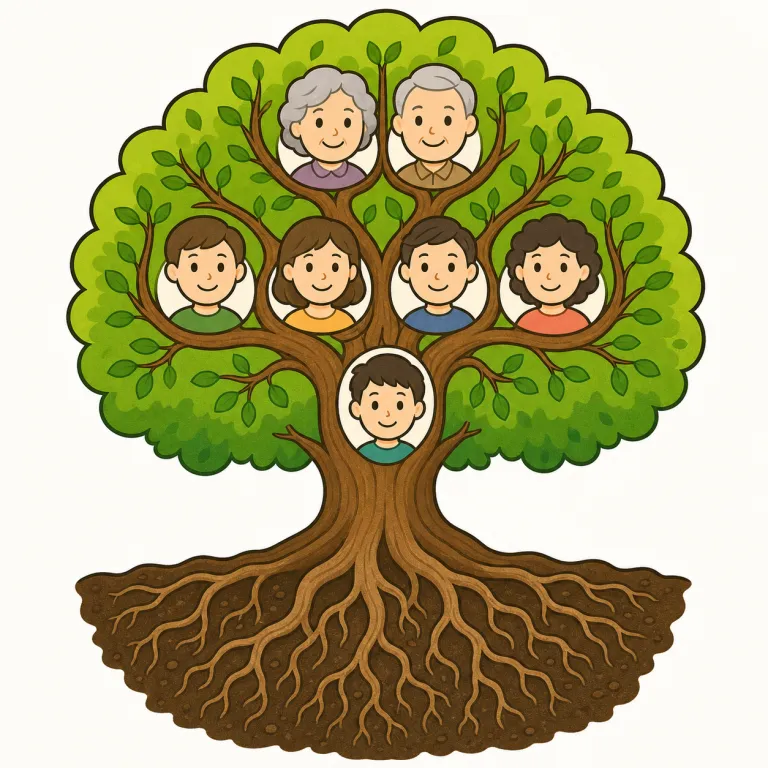
解説 Definition
heritageが人や集団の出自・家系・民族的背景を表す名詞用法。自分がどの家族や民族、地域の流れを受け継いでいるかというルーツを示すときに使う。誇りに思う、調べる、再発見するといった文脈でよく用いられ、文化的な自己認識とも結びつきやすい。
A person's or group's family origins or ethnic background inherited from earlier generations. It is often discussed when people explore their roots or express pride in where their ancestors came from.
覚え方のコツ Memory Tip
heritage は、自分が前の世代から受け取った背景を表し、人について使えば「家系・民族的ルーツ」です。heir「相続人」と同じく「受け継ぐ」という感覚を手掛かりにし、家族の古い写真から祖父母、その出身地へ線が伸びる場面を想像しましょう。Scottish heritage、Mexican heritage のように国・地域・民族を表す語の後ろに置き、be proud of one’s heritage「自分のルーツを誇りに思う」が頻出です。単なる birthplace「出生地」ではなく、世代を越えて受け継いだ出自だと押さえると定着します。
Connect heritage with heir and the idea of receiving something from earlier generations. Picture lines linking an old family photograph to your grandparents and the places they came from. Phrases such as Scottish heritage help you remember inherited family roots.
例文
He is proud of his Scottish heritage.
彼はスコットランド系のルーツを誇りにしている。
I learned about my heritage from my family.
私は家族から自分のルーツについて教わった。
Her Mexican heritage is important to her.
彼女はメキシコ系のルーツを大切にしている。
伝統
(意味 3)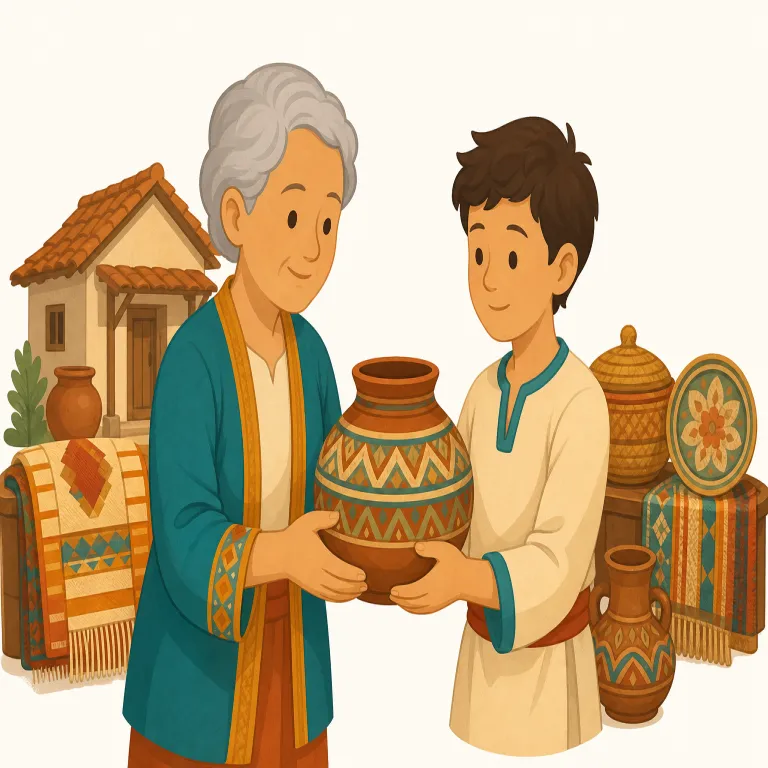
解説 Definition
heritageが「遺産」ではなく、昔から受け継がれてきた習慣・価値観・芸術・生活様式などを指す名詞用法。国や地域、民族、家庭に受け継がれる文化的な伝統を述べるときに使い、守る・学ぶ・残すといった文脈でよく現れる。建物そのものより、その背景にある文化の継承に焦点がある。
The customs, values, arts, and ways of life passed down through generations within a community or family. This word is often used when discussing how to preserve or learn about these cultural traditions.
例文
This festival is part of our heritage.
この祭りは私たちの伝統の一部だ。
Children learn about their cultural heritage at home.
子どもたちは家で自分たちの文化的伝統を学ぶ。
We share our musical heritage with our children.
私たちは音楽の伝統を子どもたちに伝える。
heritage の類義語・関連語
heritage の語源・成り立ち Etymology
古フランス語 heritage(相続財産)から。ラテン語 hereditare(相続する)、heres(相続人)が語源。heir(相続人)や hereditary(遺伝的な)と同根。「受け継がれるもの」が核の意味で、財産だけでなく文化や伝統など無形の遺産にも広がった。
Heritage comes from Old French heritage, which originally meant property received by inheritance. It goes back to Latin heres, meaning "heir," and is related to heir and hereditary. The sense later widened from family property to anything passed down from earlier generations, including culture and tradition.
同じレベルの語彙をもっと
英検2級の一覧へ →外部辞書で調べる
この英単語をクイズで覚えよう