hereditary
hereditary はTOEIC 990・TOEFL 100・IELTS 7.5レベルの英単語で、「世襲の、遺伝の」という意味があります。発音記号は /hɚˈɛdəˌtɛri/ です。
世襲の、遺伝の
解説 Definition
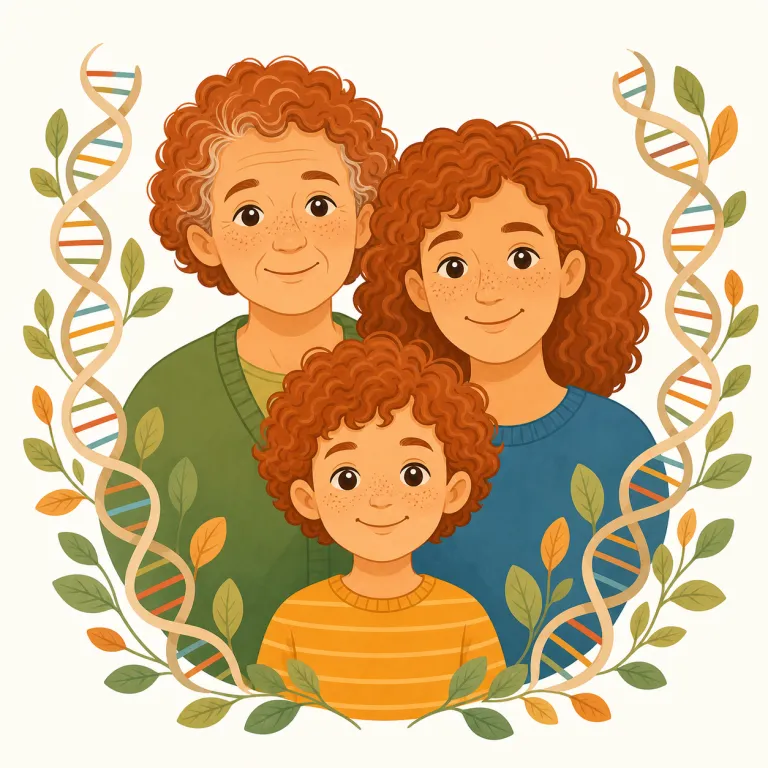
家柄や制度によって地位・財産・称号などが親から子へ受け継がれること、または体質や病気、特徴などが遺伝によって受け継がれることを表す形容詞。社会制度にも生物学にも使われる語である。
Hereditary describes something that is passed from parents to children through genes or family lines. It is often used for diseases, physical traits, or titles and positions in some societies. In medical contexts, it usually means genetic rather than learned.
覚え方のコツ Memory Tip
inherit(受け継ぐ)や inheritance(遺産・継承)を知っていると結びつけやすい語。形は少し違うが、「親から子へ受け継がれる性質」という芯は同じ。人や家系なら hereditary disease / trait で「遺伝性の」、制度や地位なら hereditary title / monarchy で「世襲の」。genetic は科学的に遺伝そのものを述べる語で、hereditary は「家系を通じて受け継がれる」という見え方が強い。
Connect it with `inherit` and `inheritance`, even though the form looks different. The shared idea is “passed down” from one generation to another. It appears in both family and medical phrases like `hereditary disease`, and in social phrases like `hereditary title`.
例文
The title was hereditary in that family for generations.
その称号は、その家系で何代にもわたって受け継がれてきました。
The throne passed to him through hereditary rights.
彼は世襲権によって王位を継承しました。
Some forms of cancer can be hereditary.
がんの中には遺伝するものもあります。
hereditary の類義語・関連語
hereditary の語源・成り立ち Etymology
hereditary はラテン語 hereditarius に由来し、さらに heres「相続人・跡継ぎ」にさかのぼります。heir や inherit と同じ語根をもち、財産や地位が受け継がれる発想から、「世襲の」さらに「遺伝する」という意味へ広がりました。
Hereditary comes from Latin hereditarius, from heres, meaning "heir." It shares its root with English words like heir and inherit. The earliest idea was something passed down by inheritance, especially property or rank. Later, the meaning widened to include traits passed from parent to child.
同じレベルの語彙をもっと
TOEIC 990の一覧へ →外部辞書で調べる
この英単語をクイズで覚えよう