相続可能な、世襲できる
adjective 形容詞法律、特に英国系の用法で、土地、権利、称号などが相続によって承継できることを表す。生物学的な遺伝ではなく、財産や法的地位が所有者の死亡後に相続人へ移る性質をいう。
親から子へ遺伝によって受け継がれる性質を持つこと。
Heritable means able to be passed from parents to children through genes. It is mainly used in biology and medicine for traits, diseases, or conditions. It can also describe property or rights that can legally be inherited, though that use is less common.
inherit を知っていると覚えやすい語です。inherit は『受け継ぐ』、そこに -able 『〜できる/されうる』が付いて、heritable は直感的に『受け継がれうる』→『遺伝性の』。財産なら inherit、病気・体質・特徴などが親から子へ伝わる話なら heritable。genetic や inherited と近いですが、inherited は『実際に受け継いだ』、heritable は『遺伝する性質をもつ』という一般的な説明で使われやすい、と分けると記憶に残ります。
Think of `inherit` inside this word. Add `-able`, and you get the idea of something that can be passed down. Use that memory link for traits, diseases, or features passed from parent to child. `Inherited` is about something already received, but `heritable` is about having that ability to be passed on.
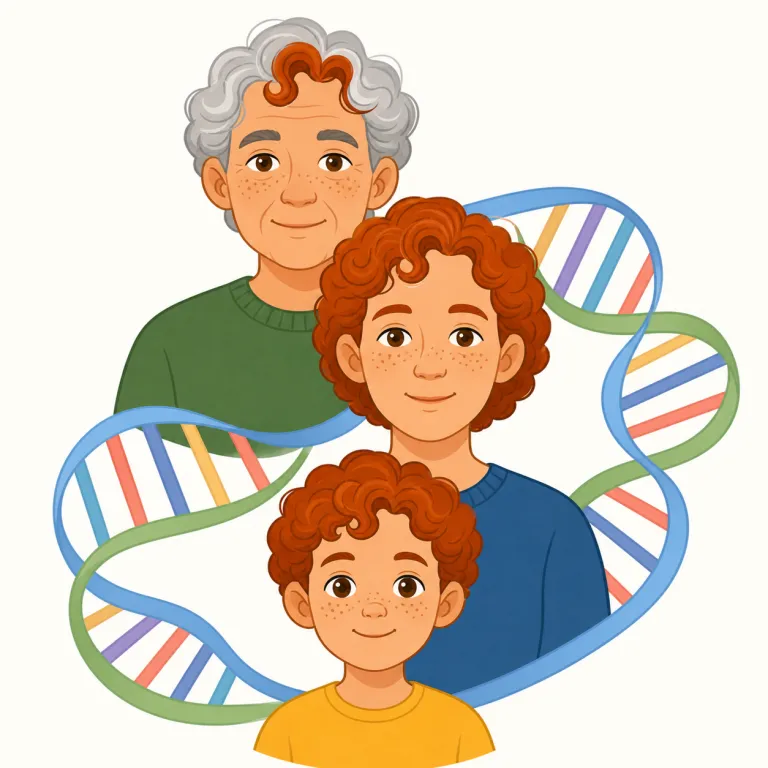
Eye color is a heritable trait that is passed from parents to their children.
目の色は親から子へ受け継がれる遺伝性の形質である。
Researchers discovered that the disease has a heritable component linked to a specific gene.
研究者たちは、その疾患には特定の遺伝子に関連する遺伝的要因があることを発見した。
Not all heritable conditions manifest in every generation.
すべての遺伝性疾患がどの世代にも発現するわけではない。
文脈によって、次の意味でも使われます。
法律、特に英国系の用法で、土地、権利、称号などが相続によって承継できることを表す。生物学的な遺伝ではなく、財産や法的地位が所有者の死亡後に相続人へ移る性質をいう。
heritable はラテン語 heres「相続人」に由来する inherit の系列で、herit- は「受け継ぐ」が核です。inherit や heritage も同根で、財産を受け継ぐ感覚がそのまま性質や病気にも広がり、「遺伝する・相続できる」を表します。
Heritable belongs to the same family as inherit and heritage. The root goes back to Latin heres, meaning "heir," and carries the idea of receiving something from those before you. At first this mainly referred to property or legal inheritance, but later it also came to describe traits or diseases passed on in families. Related words include inherit, inheritance, and heritage.
この英単語をクイズで覚えよう