意味一覧 (3件)
家系
解説 Definition
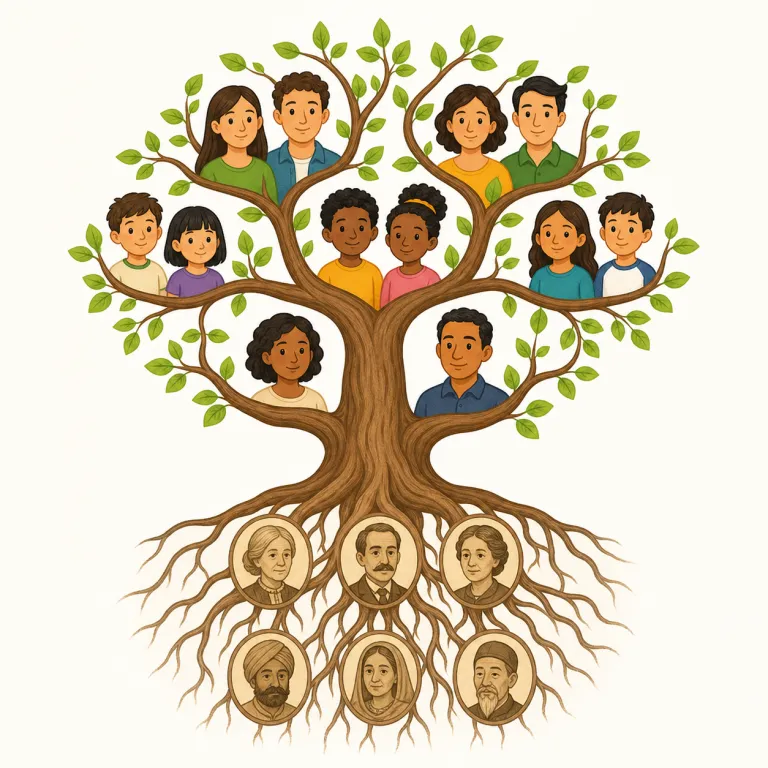
人や一族がどのような家系・血筋に属するかという出自を表す語。個々の祖先そのものではなく、先祖から続く系統や由来を述べるときに使われる。家族のルーツや民族的背景、由緒ある家柄を説明する文脈でよく用いられる。
The family line or background a person comes from through earlier generations. It is used to describe someone's roots, descent, or ethnic background rather than individual relatives.
覚え方のコツ Memory Tip
ancestor を知っていれば覚えやすい語です。個々の「祖先」を指すのが ancestor、そこから一歩引いて「祖先のつながり・家系・血筋」全体をまとめて言うのが ancestry。family tree をたどる場面や talk about your ancestry の形で結びつけると定着しやすいです。heritage は文化的背景まで含みやすい一方、ancestry は特に血統・系譜寄り。descendant は反対向きの「子孫」なので混同注意。
An ancestor is one person in your family's past; ancestry describes the line connecting those earlier generations. Picture tracing branches of a family tree back toward your roots.
例文
She is proud of her Irish ancestry.
彼女は自分のアイルランド系の血筋を誇りに思っている。
The DNA test traced her ancestry to several regions.
DNA検査で、彼女の祖先が複数の地域に由来することが分かった。
Historians studied the ancestry of the royal family.
歴史家たちは王家の血統を調べた。
家系
(意味 2)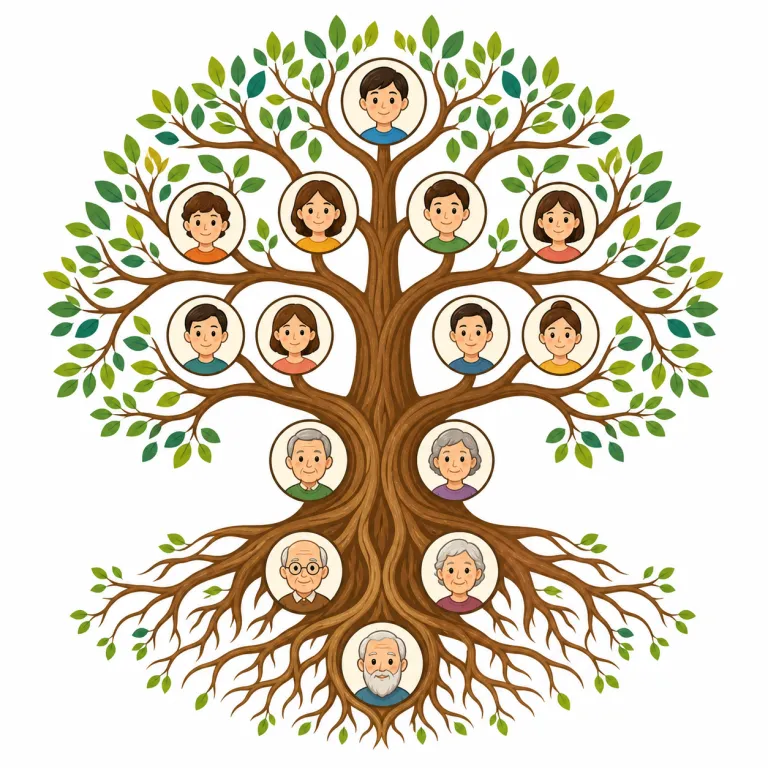
解説 Definition
人や一族がどのような家系・血筋に属するかという出自を表す語。個々の祖先そのものではなく、先祖から続く系統や由来を述べるときに使われる。家族のルーツや民族的背景、由緒ある家柄を説明する文脈でよく用いられる。
A person's family origins and line of descent from earlier generations. It is used to describe family roots, inherited ethnic background, or the historical origins of a family.
例文
She is proud of her Irish ancestry.
彼女は自分がアイルランド系であることを誇りに思っている。
The DNA test revealed ancestry from several regions.
そのDNA検査で、複数の地域にルーツがあることが明らかになった。
Historians studied the ancestry of the royal family.
歴史家たちは王家の血統を調べた。
家系
(意味 3)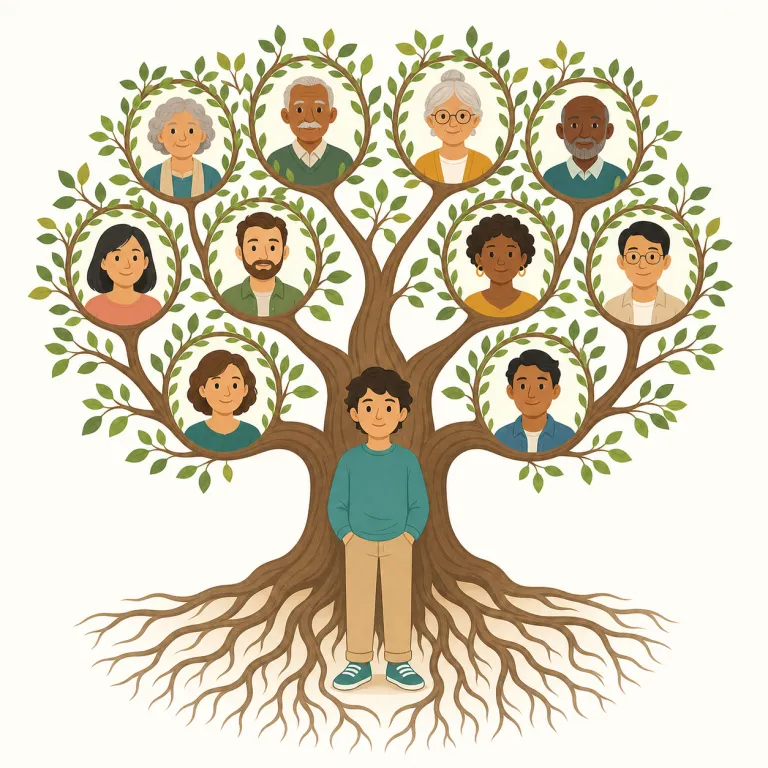
解説 Definition
祖先から続く家系・血統や、人がどのような系統に由来するかという出自を表す名詞です。個々の祖先そのものではなく、家族のルーツや民族的背景につながる系譜全体を指します。
Ancestry means the family line or origins that a person comes from, especially the people in past generations of their family. It is often used when talking about ethnic background, heritage, or family history.
例文
She traced her ancestry back to medieval Europe.
彼女は自分の家系を中世ヨーロッパまでたどりました。
Many people are interested in learning about their ancestry and family history.
多くの人々が自分の家系や家族の歴史について学ぶことに興味を持っています。
His ancestry includes both Japanese and Korean roots.
彼の家系には日本と韓国の両方のルーツがあります。
えいたんごクイズでの正答率
この語をはじめて出題された 35人 のうち 35人 が正解しました(100%)。
えいたんごクイズの回答から集計した独自データです。1人につき最初に出題されたときの1回だけを数えており、復習や2回目以降の回答、「わからない」と時間切れは含みません。 集計時点は 2026年7月18日 です。
ancestry の類義語・関連語
ancestry の語源・成り立ち Etymology
ancestry は ancestor に抽象名詞語尾 -y が付いた語で、ancestor は古フランス語 ancestre を経てラテン語 antecessor「先に進む人」にさかのぼる。ante-「前」+ cedere「行く」からできており、「先に行った人々」という感覚が「祖先・家系」につながる。関連語は ancestor, predecessor。
The word is related to ancestor, which traces through Old French ancestre to Latin antecessor, meaning someone who goes before. The Latin elements mean "before" and "go."
同じレベルの語彙をもっと
外部辞書で調べる
この英単語をクイズで覚えよう