系統発生
解説 Definition
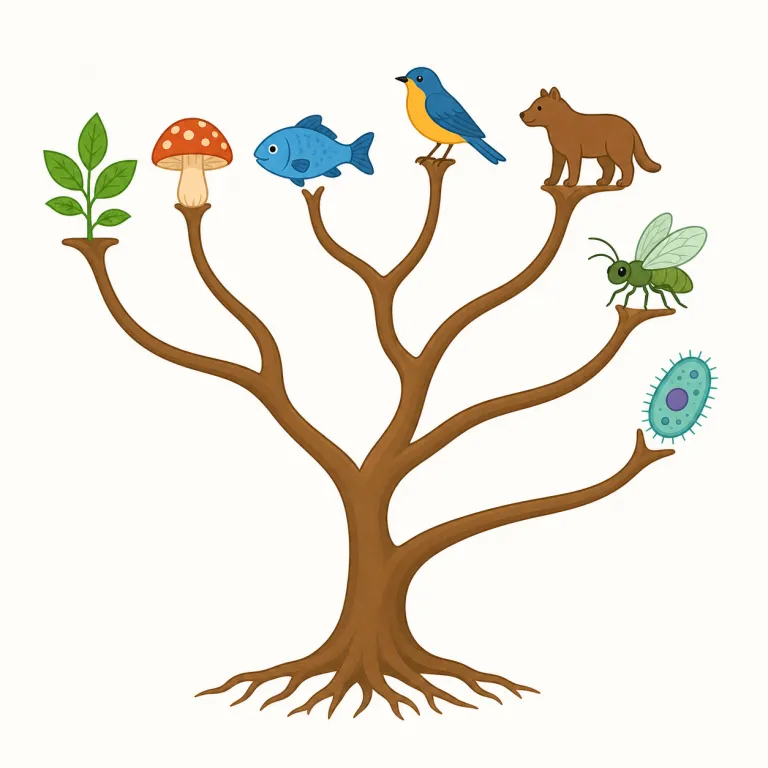
生物の進化の過程と系統の発生を示すもの。生物が共通の祖先からどのように異なる形態へと進化したかを表し、種族の起源と発展の道筋を明らかにする。
Phylogeny is the evolutionary history and development of a species or group of living things. It is a biology term used when discussing how different organisms are related over time.
覚え方のコツ Memory Tip
まず語尾の -geny を genealogy(家系), gene(遺伝子), generate などと結びつけると、「起源・受け継がれ方」を見る語だと覚えやすいです。そこに biology 系で見かける phylo- を合わせて、「生物グループの家系図」と置くと定着します。実際も phylogenetic tree の形で出会うことが多く、種どうしの枝分かれ関係をたどる場面の語です。分類名そのものというより“進化のつながり”を表す点が重要で、個体の成長をいう ontogeny と対比すると、phylogeny は“種の歴史”だと整理しやすくなります。
Notice `-geny`, which appears in words about origin or family lines, like `gene` and `genealogy`. That can help you remember `phylogeny` as the family history of species. It often appears in phrases like `phylogenetic tree`, so picture branches showing how groups are connected. A useful contrast is `ontogeny`, which is about the development of one individual, not a whole species line.
例文
The phylogeny of mammals shows their common ancestor with reptiles.
哺乳動物の系統発生は、爬虫類との共通の祖先を示している。
Scientists studied the phylogeny to understand evolutionary relationships.
科学者は進化上の関係を理解するために系統発生を研究した。
The phylogeny of birds reveals their connection to dinosaurs.
鳥類の系統発生は、恐竜との関係を明らかにしている。
phylogeny の類義語・関連語
phylogeny の語源・成り立ち Etymology
「phylogeny」は Greek phylon「種族・部族」と -geny「生まれ、起源」から成り、文字通り「種族の生まれ」です。個体の成長ではなく系統の起こりを示すのでこの意味になり、関連語に phylum と genealogy があります。
Phylogeny comes from Greek phylon, meaning "tribe" or "race," and -geny, meaning "birth" or "origin." It literally meant the origin of a group or kind. Because of that, it came to refer to the evolutionary history of a line of living things rather than the growth of one individual.
同じレベルの語彙をもっと
外部辞書で調べる
この英単語をクイズで覚えよう