へとへとの、疲れ切った
adjective 形容詞くだけた表現で、人が疲れ切ってもう何もできない状態を表します。通常は be kaput や feel kaput のように用い、機械が故障した意味ではなく、体力や気力がすっかり尽きたことを強調します。
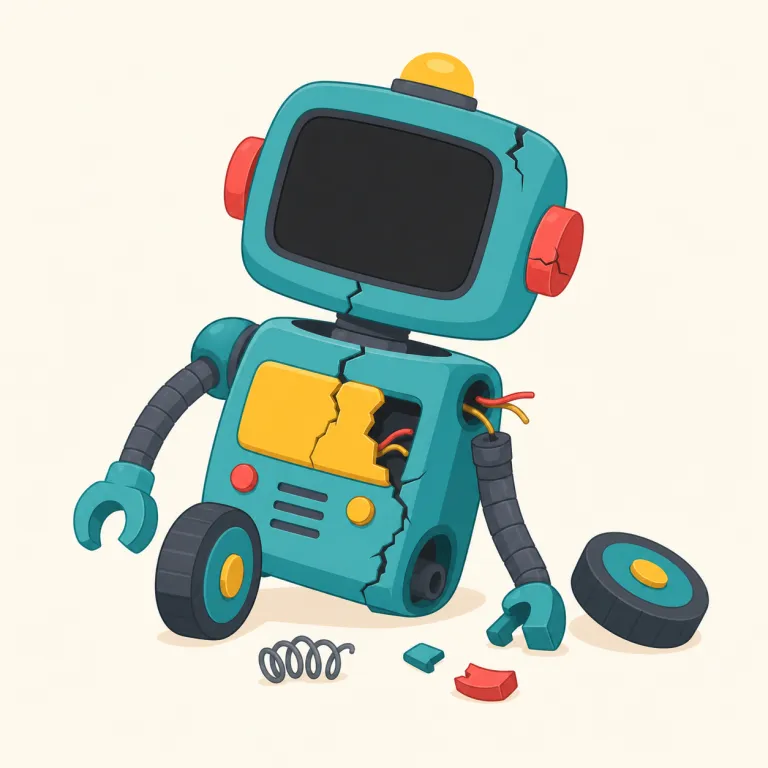
ドイツ語からの借用語で、壊れた、機能しなくなった、または完全に終わったという意味。機械、計画、システムが完全に失敗した状態を表す。
If something is kaput, it is broken, ruined, or no longer working. This informal word is often used for machines, plans, or businesses, and it has a casual tone.
kaput は「ちょっと故障」ではなく「もう完全にだめ」の感じで覚える。broken が広く使えるのに対し、kaput は機械・計画・関係などが“終わった”“使い物にならない”とくだけて言う語。The engine is kaput. My phone is kaput. Our plan is kaput. のように be kaput で丸ごと機能停止した場面と結びつけると残りやすい。口語的なので、硬い文では broken / ruined / finished の方が自然。
Remember `kaput` as stronger and more casual than `broken`. If something is kaput, it is not just damaged, it is finished and no longer working at all. Picture common phrases like `My phone is kaput` or `Our plan is kaput`.
My old car is completely kaput and needs to be replaced.
私の古い車は完全に壊れていて交換が必要だ。
After years of use, the machine finally went kaput.
長年使った末、その機械はついに完全に壊れた。
The plan went kaput when the funding was cut.
資金を削られ、その計画は頓挫した。
文脈によって、次の意味でも使われます。
くだけた表現で、人が疲れ切ってもう何もできない状態を表します。通常は be kaput や feel kaput のように用い、機械が故障した意味ではなく、体力や気力がすっかり尽きたことを強調します。
kaputはドイツ語kaputt「壊れた、だめになった」から入った借用語です。分解しにくい語ですが、有力にはフランス語capot「ひっくり返った・負けた」にさかのぼり、「もう立て直せない」感じが今の意味につながります。capotが近い語です。
Kaput came into English from German kaputt, meaning "broken" or "ruined." Its deeper history is not completely certain, but it is often linked to French capot, which could suggest being overturned or defeated. From that sense, kaput developed into the everyday English meaning "finished," "useless," or "not working anymore."
この英単語をクイズで覚えよう