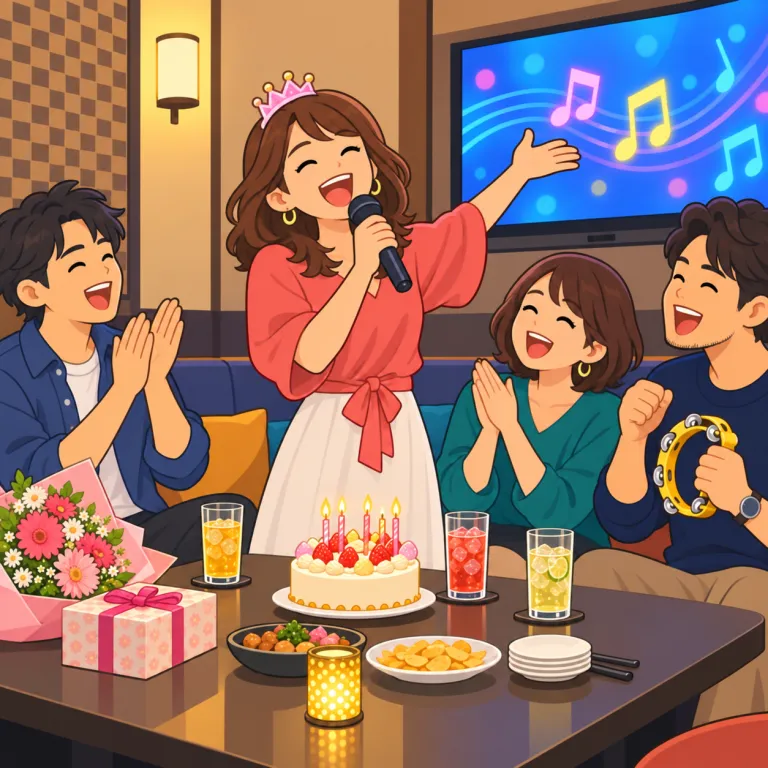
karaoke を覚えるポイント・使い方
karaoke は、録音された伴奏に合わせ、歌詞を見ながら歌う娯楽「カラオケ」です。英語では sing karaoke や do karaoke で「カラオケをする」と表せます。
活動としての karaoke は通常、冠詞を付けずに使います。店を指すなら a karaoke bar のように、bar に冠詞を付けます。
We went to a karaoke bar after dinner to celebrate her birthday.
私たちは彼女の誕生日を祝うために、夕食後にカラオケバーへ行きました。
カラオケ
解説 Definition
karaoke は、録音された伴奏に合わせて、表示される歌詞を見ながらマイクで歌う娯楽です。日本で生まれ、友人や同僚と楽しむ活動として親しまれています。
A form of entertainment in which people sing popular songs into a microphone while recorded instrumental accompaniment plays and lyrics are displayed. The word can also refer to an event, venue, or equipment used for this activity.
使い方 Usage
- 「カラオケをする」は sing karaoke や do karaoke。活動を指す karaoke には通常、冠詞を付けません。 Use sing karaoke or do karaoke for the activity. Karaoke normally takes no article in these expressions.
- karaoke bar はカラオケを楽しめる店、karaoke night はカラオケの催しを表します。 A karaoke bar is a venue for karaoke, and a karaoke night is an event featuring the activity.
- 英語の発音は日本語と異なり、一般に「キャリオウキ」に近くなります。 English pronunciation differs from Japanese and is commonly approximated as “carry-OH-key.”
覚え方のコツ Memory Tip
日本語の「空(から)」と「オーケストラ」の略を結んだ語です。「歌声が空いた伴奏に、自分の声を入れる」とイメージして覚えます。
Karaoke combines Japanese kara, “empty,” with oke, short for “orchestra.” Picture accompaniment with the lead singer missing, ready for you to supply the voice.
例文
We went to a karaoke bar after dinner to celebrate her birthday.
私たちは彼女の誕生日を祝うために、夕食後にカラオケバーへ行きました。
He was nervous about singing karaoke in front of his new colleagues.
彼は新しい同僚の前でカラオケを歌うことに緊張していました。
karaoke の類義語・関連語
類義語
派生語
紛らわしい語
karaoke の語源・成り立ち Etymology
日本語の「空(から)」+「オーケストラ」の短縮形が語源。歌のないオーケストラ伴奏=「空のオーケストラ」という造語。1970年代に日本で発明され、そのまま英語に借用された。英語圏では /ˌkæriˈoʊki/ と発音が変化している点が興味深い。
Karaoke was borrowed directly from Japanese. The Japanese term joins kara, meaning “empty,” with oke, a shortened form of ōkesutora, itself borrowed from English orchestra. It originally described recorded musical accompaniment without a live lead singer. The entertainment developed in Japan in the twentieth century and spread internationally, with the Japanese spelling retained but its pronunciation adapted to the sound patterns of English and other languages.
同じレベルの語彙をもっと
外部辞書で調べる
この英単語をクイズで覚えよう