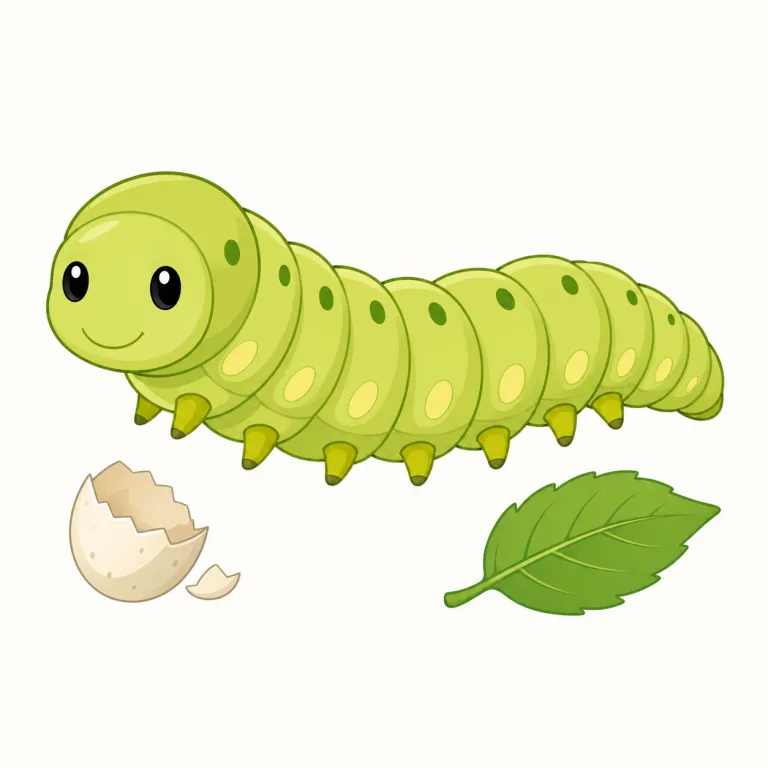
larva
larva は英検1級レベルの英単語で、「幼虫」という意味があります。発音記号は /ˈlɑːrvə/ です。
幼虫
解説 Definition
「幼虫」とは、昆虫が完全な成虫の形になる前の初期段階の形態です。幼虫から成虫へと変化する変態の過程で、独特の形状と行動を持ちます。
A larva is the young form of an insect before it changes into its adult form. It is used in biology for creatures such as caterpillars or maggots during an early stage of life. The plural form is "larvae."
覚え方のコツ Memory Tip
larva は虫の成長段階の並びで覚えると定着しやすい語です。egg → larva → pupa → adult の流れに入れ、「成虫になる前、よく食べて体を作る段階」と押さえると意味がぶれません。butterfly larva や mosquito larva のような使い方に触れると、幼虫の具体像が浮かびます。形容詞 larval、複数形 larvae もセットで確認すると記憶がつながります。似た綴りの lava(溶岩)とは別語なので混同注意。
Remember it as one stage in the life cycle: `egg -> larva -> pupa -> adult`. That helps fix `larva` as the early growing stage before the final form. Watch the plural too: `larvae`.
例文
The butterfly larva feeds on leaves before pupating.
蝶の幼虫は蛹になる前に葉を食べます。
Mosquito larvae develop in standing water.
蚊の幼虫は止水の中で発育します。
The larval stage can last from weeks to months depending on the species.
幼虫の段階は種によって数週間から数ヶ月続くことがあります。
larva の類義語・関連語
larva の語源・成り立ち Etymology
larvaはラテン語larva「仮面・亡霊」に由来します。リンネが、成虫とは違う姿で本体を仮面のように隠した段階にこの語を当てたため、「幼虫」の意味になりました。関連語はlarval、larvaeです。
"Larva" comes from Latin "larva," which meant "mask" or "ghost." Scientists later used it for the early stage of an insect because it seemed to hide the adult form, like a mask covering the true body. From that image, the word developed into its modern biological use; related forms include "larval" and "larvae."
同じレベルの語彙をもっと
英検1級の一覧へ →外部辞書で調べる
この英単語をクイズで覚えよう