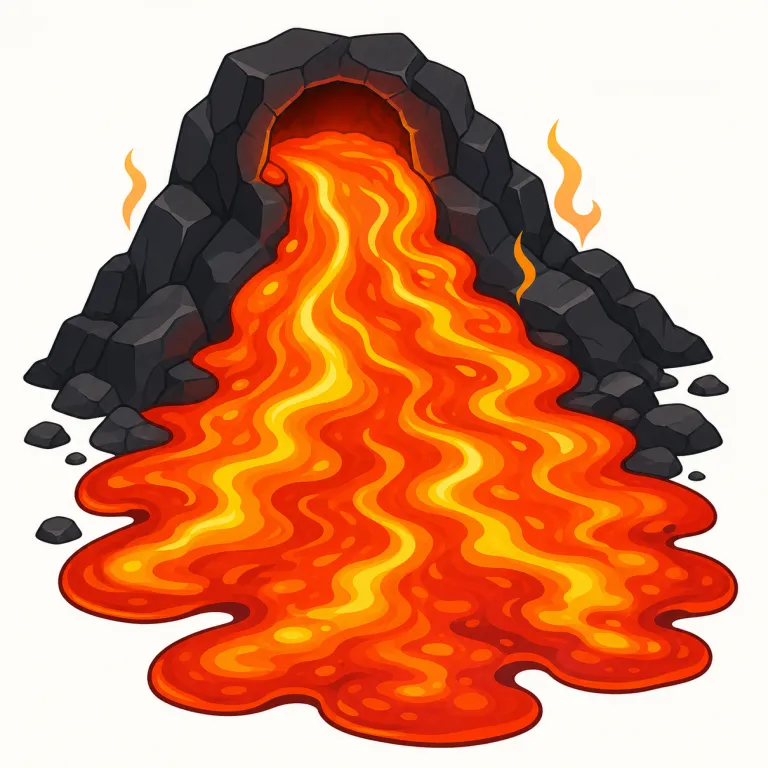
lava
lava は英検1級レベルの英単語で、「溶岩」という意味があります。発音記号は /ˈlɑːvə/ です。
溶岩
解説 Definition
溶岩(ようがん)とは、火山が噴火した時に地面から出てくる熱くて液体の岩のことです。冷えると固い岩になります。
Lava is hot, melted rock that comes out of a volcano onto the earth's surface. After it cools, it becomes solid rock. This word is mainly used in geology and discussions about volcanoes.
覚え方のコツ Memory Tip
volcano(火山)とセットで覚えると定着しやすい語です。意味を取るコツは magma との区別で、地下にある溶けた岩が magma、噴火して地表に出た後が lava。英語では molten lava(溶けた溶岩)、lava flow(溶岩流)の形でよく見ます。水のように flow するが、正体は liquid rock だと意識すると、赤く熱いものが地面をゆっくり流れる映像と結びついて残りやすいです。つづりは larva(幼虫)と少し似るので混同注意。
Remember it with volcano. Use the contrast: magma is under the ground, lava is outside after an eruption. Phrases like lava flow help create the image of hot rock moving slowly like liquid.
例文
The lava from the volcano destroyed several buildings.
火山からの溶岩は数棟の建物を破壊しました。
Lava flows slowly down the mountainside.
溶岩は山の斜面をゆっくり流れます。
Scientists monitor the lava temperature during volcanic activity.
科学者は火山活動中に溶岩の温度を監視します。
lava の類義語・関連語
類義語
紛らわしい語
lava の語源・成り立ち Etymology
lava はイタリア語で「流れ」を表した lava に由来し、さらにラテン語 lavare「洗う」にさかのぼります。山肌を洗い流すように溶けた岩が下るイメージから今の意味になり、同語根に lavatory, lotion があります。
Lava comes from Italian lava, which originally meant a stream or something washed along. It goes back to Latin lavare, "to wash." The word was used for material flowing down a mountain as if it were washing the slope, and then became the standard term for molten rock; lavatory and lotion come from the same root.
同じレベルの語彙をもっと
英検1級の一覧へ →外部辞書で調べる
この英単語をクイズで覚えよう