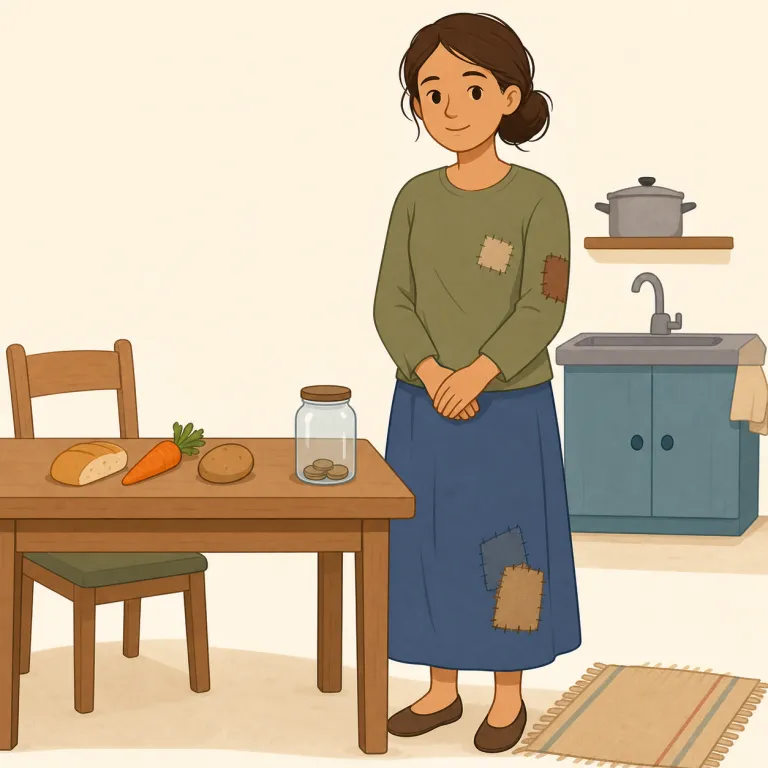
low-income
low-income は英検2級レベルの英単語で、「低所得」という意味があります。発音記号は /ˌloʊˈɪnkʌm/ です。
低所得
解説 Definition
「low-income」は収入が少ない家庭や個人を形容する形容詞で、社会保障や住宅支援の文脈でよく使われます。公的な申請書類やニュース記事で「低収入層」について説明するときに見られます。補助金や給付の対象を説明する場面では、その背景にある経済的な事情を説明するために便利です。
Low-income describes people or families who do not earn much money. It is often used in discussions about housing, education, healthcare, and social policy. The term is neutral and common in official or social contexts.
覚え方のコツ Memory Tip
まず income を「収入」と確実に押さえ、low-income はそのまま「収入が低い」と組み立てると覚えやすいです。big/small のような単純な性質ではなく、所得水準を表すラベルだと意識すると定着します。middle-income、high-income と並べて段階で覚えるのも有効。ニュースや制度説明では low-income families、low-income households、low-income housing の形が頻出。cheap ではなく、人や世帯・地域の所得状態を述べる語です。
Split the word into two easy parts: "low" + "income." It belongs with a set: "low-income," "middle-income," "high-income." Remember common news phrases like "low-income families" or "low-income housing" to keep the meaning tied to money level, not cheap price.
例文
The school gives free lunches to students from low-income families.
学校は低所得家庭の生徒に無料の昼食を出している。
They moved to a low-income neighborhood with a strong community center.
彼らは、充実した地域センターがある低所得者層の多い地域に引っ越した。
The application asks whether you belong to a low-income household.
その申請書では、あなたが低所得世帯に属しているかどうかを尋ねている。
low-income の類義語・関連語
low-income の語源・成り立ち Etymology
low は古ノルド語 lágr(低い)、income は in(中へ)+ come(来る)で「入ってくるもの=収入」。複合語で「収入が低い」を表す。関連語に outcome(結果=出てくるもの)、lowland(低地)がある。対の high-income も同構造。
Low-income is a modern English compound made from low and income. Low comes from Old Norse lagr, meaning "not high," while income literally means something that "comes in." Put together, the phrase developed the sense of having only a small amount of money coming in; compare high-income, built in the same way.
同じレベルの語彙をもっと
英検2級の一覧へ →外部辞書で調べる
この英単語をクイズで覚えよう