塊にする、塊になる
verb 動詞物質を一つまたは複数の塊にすること、あるいは物質が塊になることを表す。粘土を固める場合や、粉・ソースなどが均一に混ざらず固まる場合に、他動詞または自動詞の-ing形として用いられる。
lumping はTOEIC 860・TOEFL 80・IELTS 6.5レベルの英単語で、「ひとまとめにする」という意味があります。発音記号は /ˈlʌmpɪŋ/ です。
異なる人や物を、個々の違いを無視してひとまとめに扱うことを表す lump の -ing 形です。状況を単純化しすぎるという含みを持つことがあります。
Lumping means putting different people or things together in one group without paying attention to their differences. It is often used when someone is treating separate cases as if they were all the same. The word can suggest oversimplifying a situation.
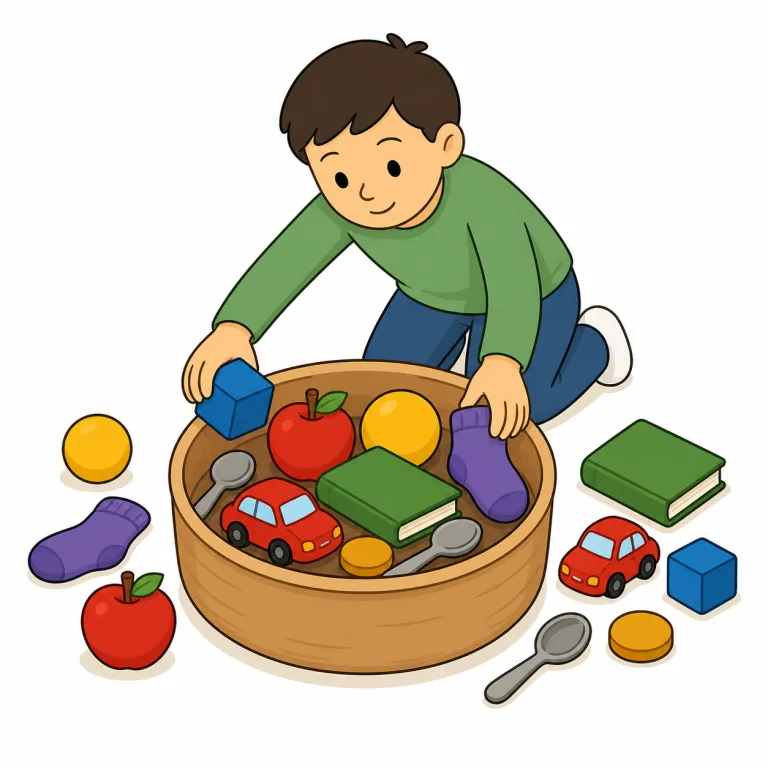
lump「ひとかたまり」を土台に、別々のものを一つの塊にしてしまうイメージで覚えましょう。lumping は細かな違いをならしてまとめる感覚です。
Start with lump, a mass or one solid piece. Imagine separate things being pressed into one mass, with their differences lost.
Lumping all the expenses together made it difficult to identify the source of overspending.
すべての経費をひとまとめにしたことで、過剰支出の原因の特定が困難になった。
Lumping together beginners and advanced students in one class is not effective.
初心者と上級者を一つのクラスにひとまとめにするのは効果的ではない。
文脈によって、次の意味でも使われます。
物質を一つまたは複数の塊にすること、あるいは物質が塊になることを表す。粘土を固める場合や、粉・ソースなどが均一に混ざらず固まる場合に、他動詞または自動詞の-ing形として用いられる。
lumping は動詞 lump に -ing が付いた形で、「塊」を表す lump から来ます。lump 自体は中英語に現れ、スカンディナビア語や中低地ドイツ語系の「ごろっとした塊」と結びつく語とされます。ばらばらを一塊にする感覚から「ひとまとめにする」になり、関連語は lumpy、lump sum。
Lumping comes from lump with the ending -ing. Lump appeared in Middle English and is linked to Germanic or Scandinavian words for a heavy, rounded mass. From the idea of making things into one solid mass, the verb came to mean putting separate things together as one group. Related words include lumpy and lump sum.
この英単語をクイズで覚えよう