淡いクリーム色
noun 名詞主に英国英語で、室内塗料などに使われる淡い黄みがかったクリーム色を指します。色名として不可算名詞で用いられ、magnolia walls のように名詞を修飾することもあります。植物そのものではなく、その花を連想させる色の名称です。
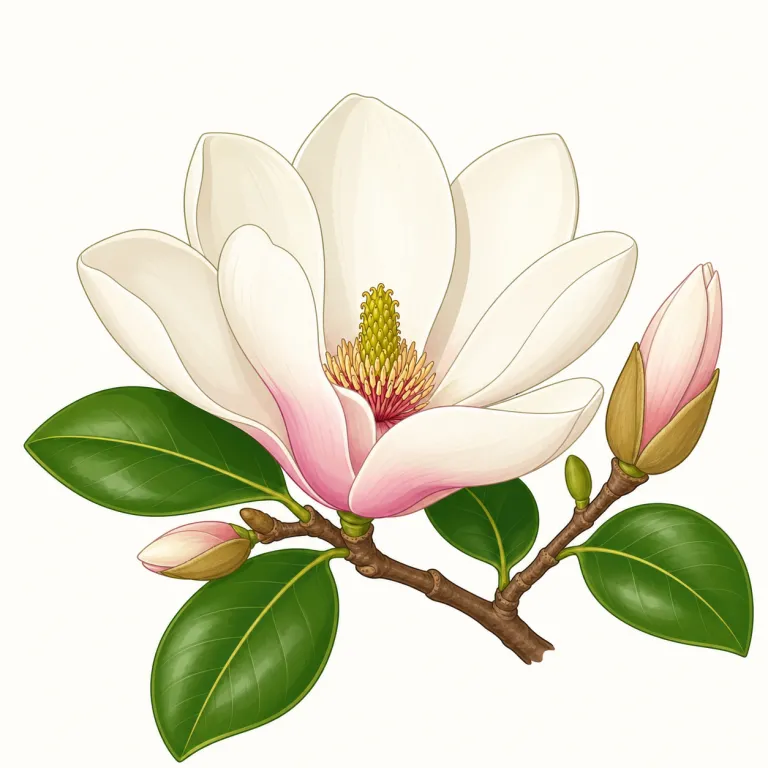
モクレンは、春に香りの良い花を咲かせる落葉樹です。白またはピンク色の大きな花が特徴で、庭園や公園の装飾樹として人気があります。
A magnolia is a tree or large bush with big flowers that are often white, pink, or purple. The word is usually used in gardening and when talking about plants or landscapes.
magnolia は語源としてではなく記憶のフックとして、まず magnify / magnificent の magn- を思い出すと覚えやすいです。「大きく目立つ」という感覚を重ねると、春に白やピンクの大ぶりで上品な花をつける木という像が結びつきます。語尾の -ia は camellia や gardenia のような花木名にも多く、植物名らしい形。会話では花そのものより庭木・観賞樹の名前として出ることが多い、と場面ごと覚えると残ります。
Use magn- as a memory hook, like in magnificent or magnify. It can remind you of a large, striking flower. The ending -ia also looks like many plant names, so magnolia feels like a flower or tree name. Picture a garden tree with big white or pink blossoms.
The magnolia tree blooms with beautiful pink flowers in spring.
モクレンの木は春に美しいピンク色の花を咲かせます。
Ancient magnolia trees line the garden path.
古いモクレンの木が庭の小道に沿って並んでいます。
The fragrance of magnolia blossoms filled the entire garden.
モクレンの花の香りが庭全体に満ちていました。
文脈によって、次の意味でも使われます。
主に英国英語で、室内塗料などに使われる淡い黄みがかったクリーム色を指します。色名として不可算名詞で用いられ、magnolia walls のように名詞を修飾することもあります。植物そのものではなく、その花を連想させる色の名称です。
magnolia は意味語ではなく、17世紀フランスの植物学者ピエール・マニョルの姓に由来し、新ラテン語 Magnolia として定着しました。語尾 -ia は植物名によく付く形で、Magnoliaceae や magnoliaceous も同根。『特徴』ではなく『人名を記念した花名』です。
Magnolia is named after the 17th-century French botanist Pierre Magnol. The form was fixed in New Latin as Magnolia, with the plant-name ending -ia. So this word does not come from a descriptive root word, but from a person's name; related forms include Magnoliaceae and magnoliaceous.
この英単語をクイズで覚えよう