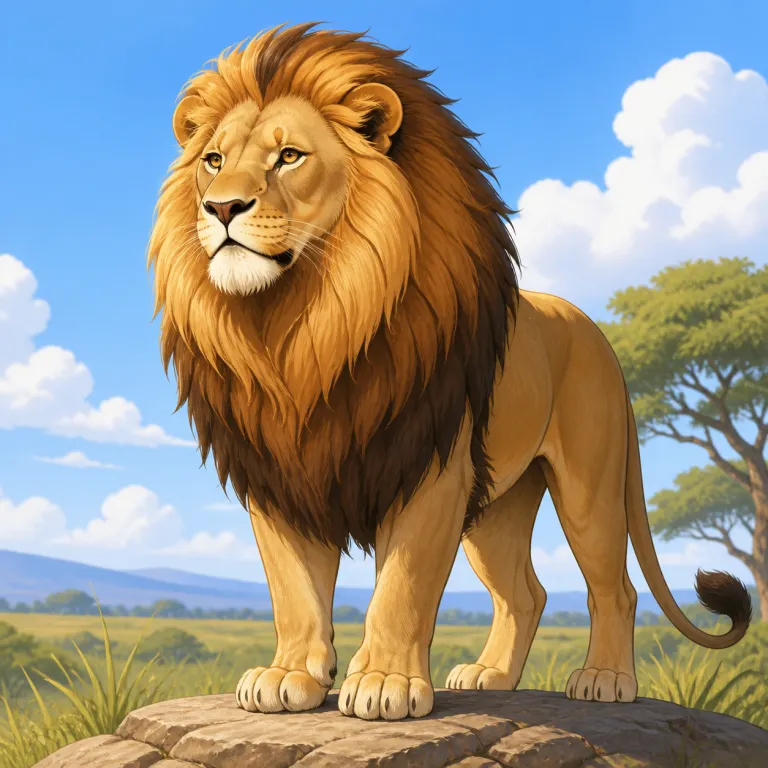
たてがみのある
解説 Definition
首や頭部に長い毛(たてがみ)が生えている状態を表す形容詞。ライオンやウマなどの動物が典型的に該当する。
Maned means having a mane, which is a line of long hair on the neck of an animal such as a lion or horse. It is mostly used in descriptions of animals and their appearance.
覚え方のコツ Memory Tip
まず mane = 「たてがみ」を先に固定すると覚えやすいです。-ed が付くと「…を備えた」の形になり、maned はそのまま「たてがみ付きの」。long-haired のように単に毛が長いのではなく、ライオンや馬の首まわりに目立つ毛がある感じを思い浮かべると定着します。a maned lion, a maned horse のように、動物の見た目を描写する場面で出やすい語です。maneless「たてがみのない」と対で見ると混同しにくくなります。
Fix the base word `mane` in your mind first. Then add `-ed`, which often means "having" that feature, so `maned` means "having a mane." Picture animals like a lion or horse, and compare it with `maneless` to make the contrast stick.
例文
The maned lion in the zoo attracts many visitors with its impressive appearance.
動物園のたてがみのあるライオンは、立派な姿で多くの来園者を引きつけます。
The golden-maned lion rested beneath a tree.
金色のたてがみのあるライオンが木の下で休んでいました。
The maned wolf is a unique South American canine with a distinctive mane on its neck.
タテガミオオカミは、首に特徴的なたてがみを持つ南米固有のイヌ科動物です。
maned の類義語・関連語
maned の語源・成り立ち Etymology
maned は mane「たてがみ」+ -ed「…を備えた」で、mane は古英語 manu、さらにゲルマン祖語に由来します。語の中心は「首筋に長く垂れる毛」で、maned lion といえば、ただ毛深いのでなく“たてがみ付き”だと腑に落ちます。関連語は mane, maneless。
Maned is built from mane and the ending -ed, meaning "having" or "provided with." Mane comes from Old English manu and an older Germanic root for the long hair on an animal's neck. So the word came to mean simply "having a mane." Related words include mane and maneless.
同じレベルの語彙をもっと
外部辞書で調べる
この英単語をクイズで覚えよう