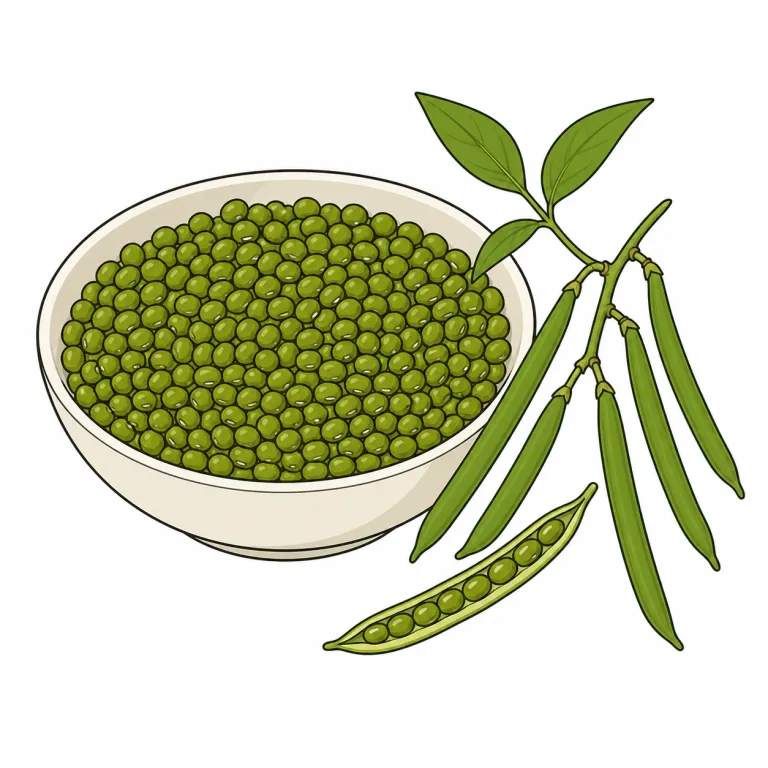
緑豆
解説 Definition
アジア原産の小さな緑色の豆。もやしの原料としても広く使われる。
Mung usually refers to the mung bean, a small green bean used in many Asian dishes. It is common in cooking, especially in soups, sprouts, and sweet foods. The full form "mung bean" is more common in general English.
覚え方のコツ Memory Tip
まず単独の mung よりも mung bean という形で覚えるのが実用的です。bean が付けば「豆の一種」だとすぐ分かるので、未知語でも食品名として処理しやすくなります。さらに mung bean sprouts までセットにすると、「緑豆→もやしの原料」という使用場面ごと記憶に残ります。soybean, kidney bean, black bean などと同じく「豆名+bean」の仲間として整理すると定着しやすいです。音が少し似る munch などの一般語とは切り離し、アジア料理・食材ラベルでよく見る名詞だと覚えるのがコツです。
The most useful way to remember it is not `mung` alone but `mung bean`. Once you attach `bean`, it becomes clearly a food word. You can make it even stronger by linking it with `mung bean sprouts`, a common phrase on food labels and menus.
例文
Mung beans are a staple ingredient in many Asian cuisines, used in soups, salads, and desserts.
緑豆はアジアの多くの料理で主要な食材であり、スープ、サラダ、デザートに使われる。
She sprouted mung beans on the kitchen counter to add fresh greens to her stir-fry.
彼女は炒め物に新鮮なもやしを加えるため、キッチンカウンターで緑豆を発芽させた。
The traditional Indian dish dal is often made with mung lentils simmered with aromatic spices.
インドの伝統料理ダールは、緑豆を香辛料で煮込んで作られることが多い。
mung の類義語・関連語
紛らわしい語
mung の語源・成り立ち Etymology
mung はヒンディー語 mung に由来し、さらに古くはサンスクリット語 mudga「緑豆」にさかのぼります。英語本来の語ではなく、豆の名がそのまま借用された形なので、食文化と一緒に語が入ったと考えると覚えやすいです。
Mung was borrowed into English from Hindi mung, and it goes back further to Sanskrit mudga, the name of the bean. It is a loanword rather than a native English formation. The word entered English together with the food itself, so its form stayed close to the original South Asian name.
同じレベルの語彙をもっと
外部辞書で調べる
この英単語をクイズで覚えよう