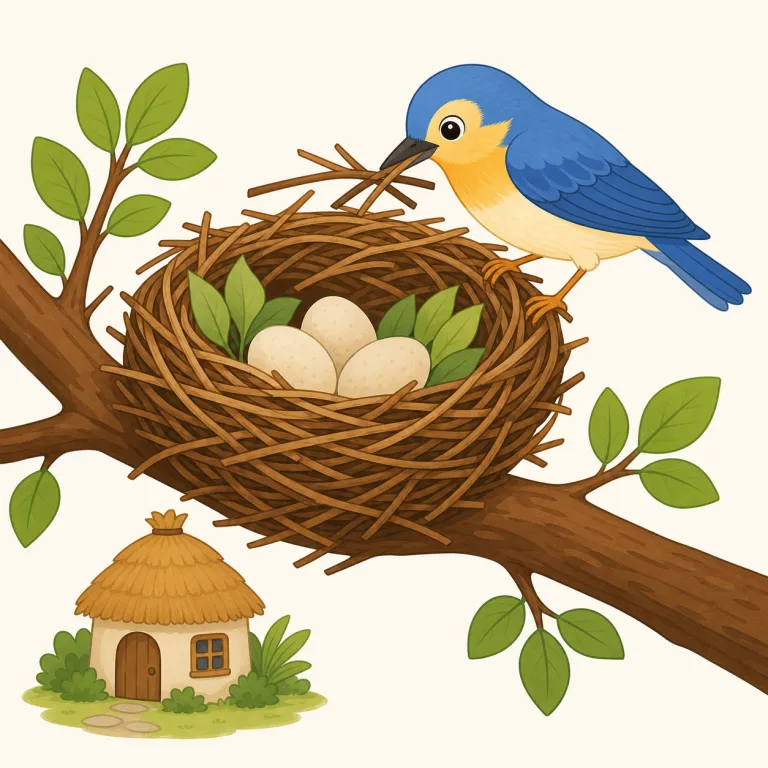
営巣する動物・生物、入植者
解説 Definition
巣を作って繁殖する習性をもつ動物や鳥を指す名詞。特定の場所に毎年戻って営巣する種について使われることが多い。文脈によっては、新しい土地に住み着く人、つまり入植者や開拓者を意味することもある。
A nester is an animal or bird that builds and lives in a nest. In some contexts, it can also mean a person who settles in a place and makes a home there. The second meaning is less common and more old-fashioned.
覚え方のコツ Memory Tip
「nest(巣)+ -er(〜するもの/人)」と分解すると核が見えます。まずは鳥や動物で「巣を作るもの」。野生動物の説明では ground nester, cavity nester のように、どこに巣を作るかと一緒に出ることが多く、鳥だけでなく営巣する生物全般に広げて覚えると便利です。毎年同じ場所に戻る種のイメージを持つと定着しやすいです。人に使う場合は settler に近いものの、単なる移住者より「その土地に住み着いて根を下ろす人」という感触。nest, nesting, nestling までまとめて覚えると派生ごと頭に残ります。
See `nest` + `-er`, meaning a thing or person that does something. A `nester` is something that makes a nest, so the core image is very easy. You can also connect it with phrases like `ground nester` or with people who settle down and make a home.
例文
Green sea turtles are remarkable nesters, often traveling thousands of miles to return to their birthplace.
アオウミガメは営巣習性が際立っており、産卵のために何千マイルも移動して生まれた場所に戻ることがよくあります。
Some bird species are early nesters, beginning to breed as soon as winter ends.
鳥の中には早く営巣を始め、冬が終わるとすぐ繁殖に入る種もいる。
Ground nesters like plovers must protect their eggs from predators on exposed beaches.
チドリのような地上営巣性の鳥は、開けた浜辺で捕食者から卵を守らなければならない。
nester の類義語・関連語
nester の語源・成り立ち Etymology
古英語 nest(巣)に行為者接尾辞 -er が付いた語。nest は印欧祖語 *nizdo-(座る場所)に由来し、*ni-(下へ)+ *sed-(座る)の合成語。nestle(寄り添う)や nestling(ひな鳥)と同根。巣を作る者→定住する者という意味の広がりがある。
"Nester" comes from "nest" plus the agent ending "-er," so it first meant someone or something that nests. "Nest" goes back to Old English and even deeper to an Indo-European root connected with sitting down or settling. Because a nest is a place to settle, the word could also suggest a person who makes a home or settles in a place. Related words include "nestle" and "nestling."
同じレベルの語彙をもっと
外部辞書で調べる
この英単語をクイズで覚えよう